With increasingly narrow marketing windows, rising costs and ever more unpredictable weather conditions, every resource must be used with maximum precision.
The Drosophila suzukii belongs to a family of insects (Drosophilidae) that is virtually harmless to agriculture.
One of the best-known species in this family is the fruit fly, Drosophila melanogaster, one of the most studied living organisms in the world, especially from a genetic perspective.
However, as the saying goes, "every rule has its exception", and Drosophila suzukii is one of only two species in the family – out of approximately 4,000 species – that cause problems in agricultural production.
In Chile, this family is represented by 33 species, of which D. suzukii is the only one considered a pest.
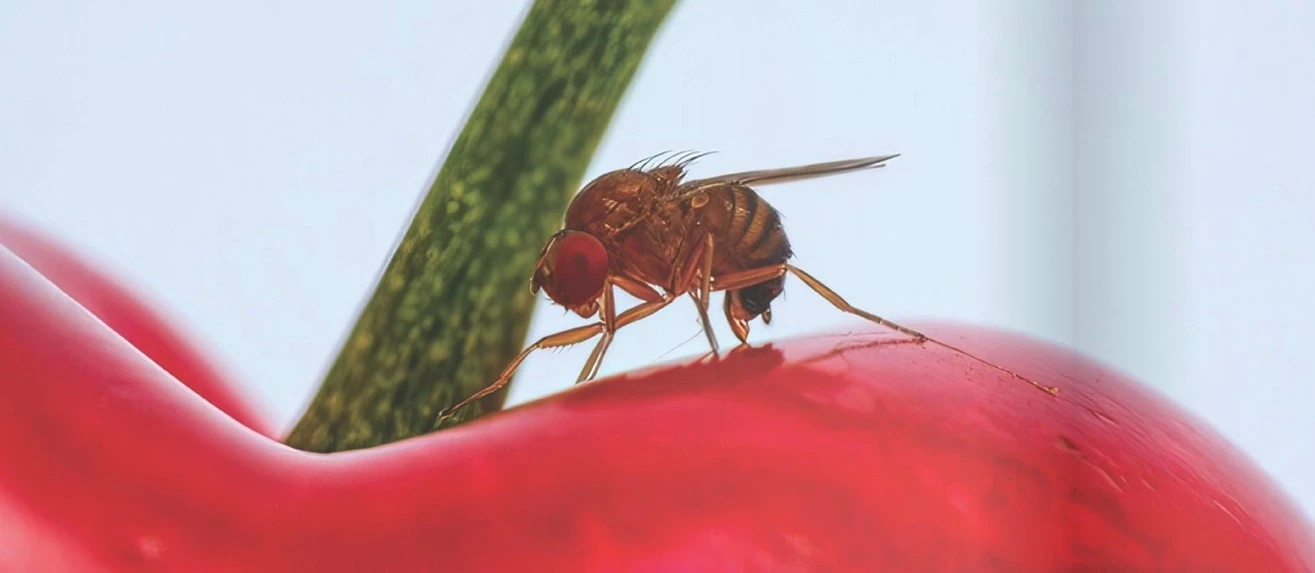 Image 1. Adult of Drosophila suzukii
It is native to Asia, particularly the Far East, in an area that includes northern China, the Korean peninsula and Japan.
Although this region is influenced by monsoons during the rainy season, it also experiences very harsh winters, with heavy snowfall and prolonged periods of subzero temperatures.
We will return to this point later, as it helps explain the pest’s behavior in Chile.
The limited effectiveness of insecticides against this “super pest”
One of the factors that favors the proliferation of this fly is the high number of fruit trees it can use as hosts, meaning plant species whose fruits can harbor eggs and larvae.
The latest published global host list for D. suzukii included 197 fruit tree species susceptible to the pest.
To this list, we must add several native Chilean fruit species, such as maqui, murtilla, calafate and arrayán, among others, bringing the current list to more than two hundred plant species that the fly can use.
With such a high number of plants available for reproduction, the fly finds a true "fruit ladder" across the territory, ripening in stages, where some appear first and then give way to others, completing a reproductive phase that can last many months.
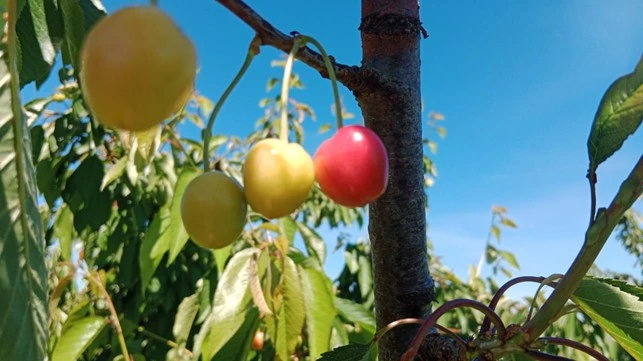 Image 2. Non-uniform ripening makes pest management difficult
A crucial point in managing this pest is that it cannot be controlled exclusively through the use of insecticides.
There is a period of the year when virtually 100% of the D. suzukii population consists of adult females, but once the fruit production season resumes (both commercial and wild), eggs, larvae, pupae and adults may all be present on the same day, each located in different areas of the orchard.
Currently, there is no highly effective insecticide against all four life stages of the pest.
Consequently, applying an insecticide that is highly effective against eggs and larvae would leave a significant percentage of the population (pupae and adults) unaffected.
Likewise, although there are insecticides that are very effective against adults, for various reasons they do not eliminate eggs, larvae or pupae.
Therefore, the application of insecticides has limited effectiveness and, at best, only temporary impact, making the use of additional control techniques essential to achieve satisfactory results.
Southern Chile: a “refuge” for Drosophila suzukii
To understand the behavior of this pest, the most important aspect to consider is the female’s search for egg-laying sites.
Unlike other pests that may attack different parts of the plant, female Drosophila suzukii lay their eggs exclusively in ripe fruit.
Therefore, within a given territory, females move from one area to another or from one orchard to another, specifically searching for fruit in these conditions.
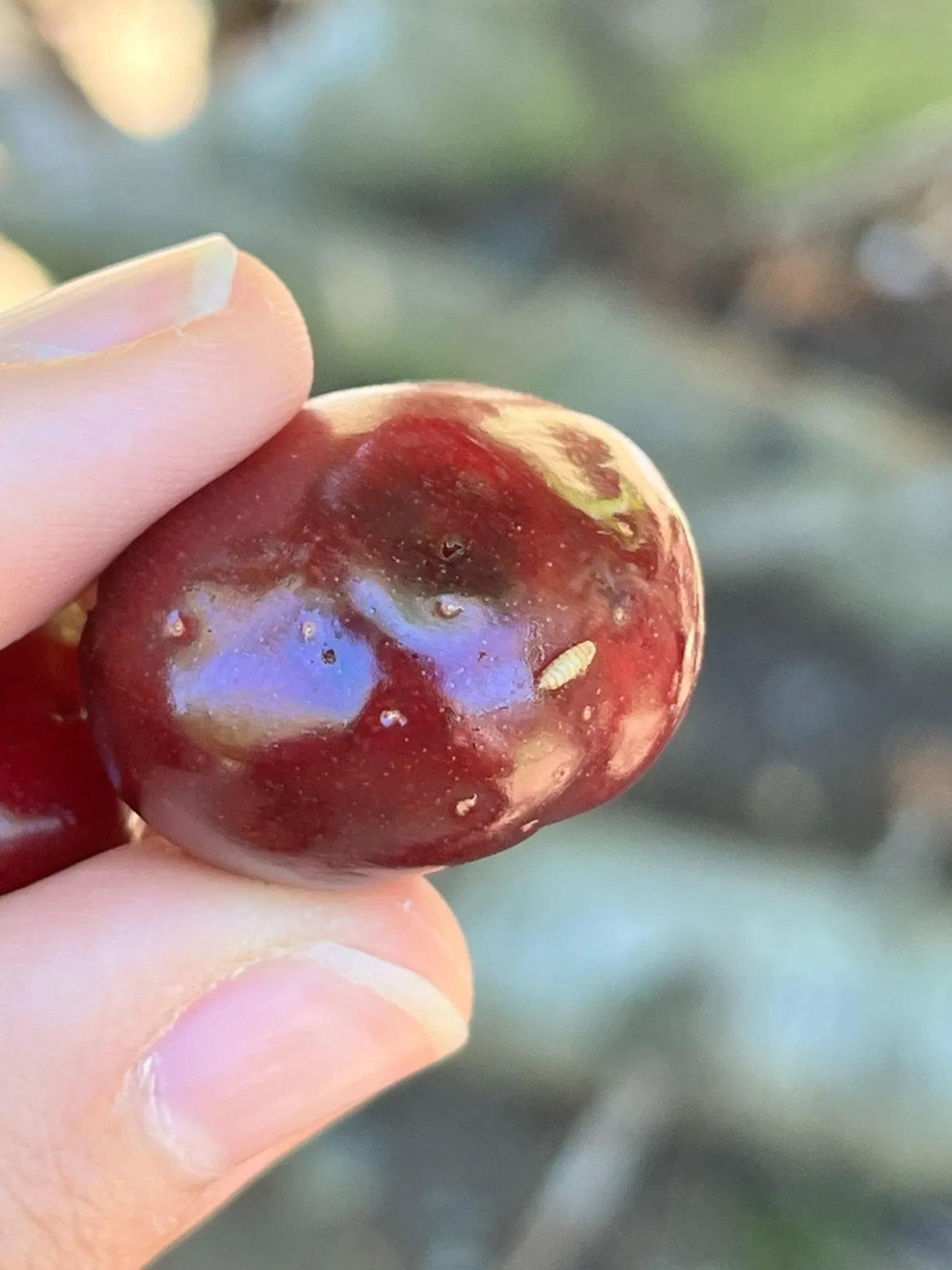 Image 3. To understand DS behavior, the most important aspect to consider is the female’s search for egg-laying sites
It follows, therefore, that Drosophila suzukii is not a permanent resident of orchards.
On the contrary, throughout the year, this fly is present in commercial orchards only for a fraction of the time, behaving like a "tourist."
Before fruit begins to ripen and after it disappears from the orchard, Drosophila suzukii has no incentive to settle in a particular area, but continues moving across the territory in search of other fruit in which to reproduce.
When commercial and wild fruit disappear from an entire region, the pest stops reproducing and females look for places to wait out winter and spring.
In these areas, the pest must find refuge and, in the southern part of our country, these are abundant: vegetation surrounding rivers, lakes, lagoons and other watercourses.
This vegetation, in addition to providing physical shelter, supplies the pest with energy in the form of food (nectar, sap, honeydew), increasing its chances of survival until the beginning of the next fruit season.
The pest, well protected and nourished by this wild vegetation, waits in large numbers at short distance from commercial orchards for cherries to ripen again before resuming its attack.
For this reason, the pressure of Drosophila suzukii in southern Chile is one hundred to one thousand times greater than that of a cherry orchard planted in the Metropolitan Region.
Another characteristic that distinguishes cherry production in the south is that climatic conditions during ripening are much more favorable to the pest than in the central part of the country.
The pest thrives when temperatures range between 20 and 30 °C and relative humidity is high (60–80%), conditions that are very common in southern Chile, even in summer.
In contrast, in the central part of the country, temperatures often exceed 30 °C and humidity can drop to 15%, which is harmful to the fruit fly and makes the grower’s work easier.
Cherry growers in southern Chile face much more intense and constant pressure from Drosophila suzukii compared to those in the central region.
The more frequent use of pollinator varieties in the south makes it difficult to determine exactly when to begin treatments to control the pest, compared to orchards with self-fertile varieties in the central region.
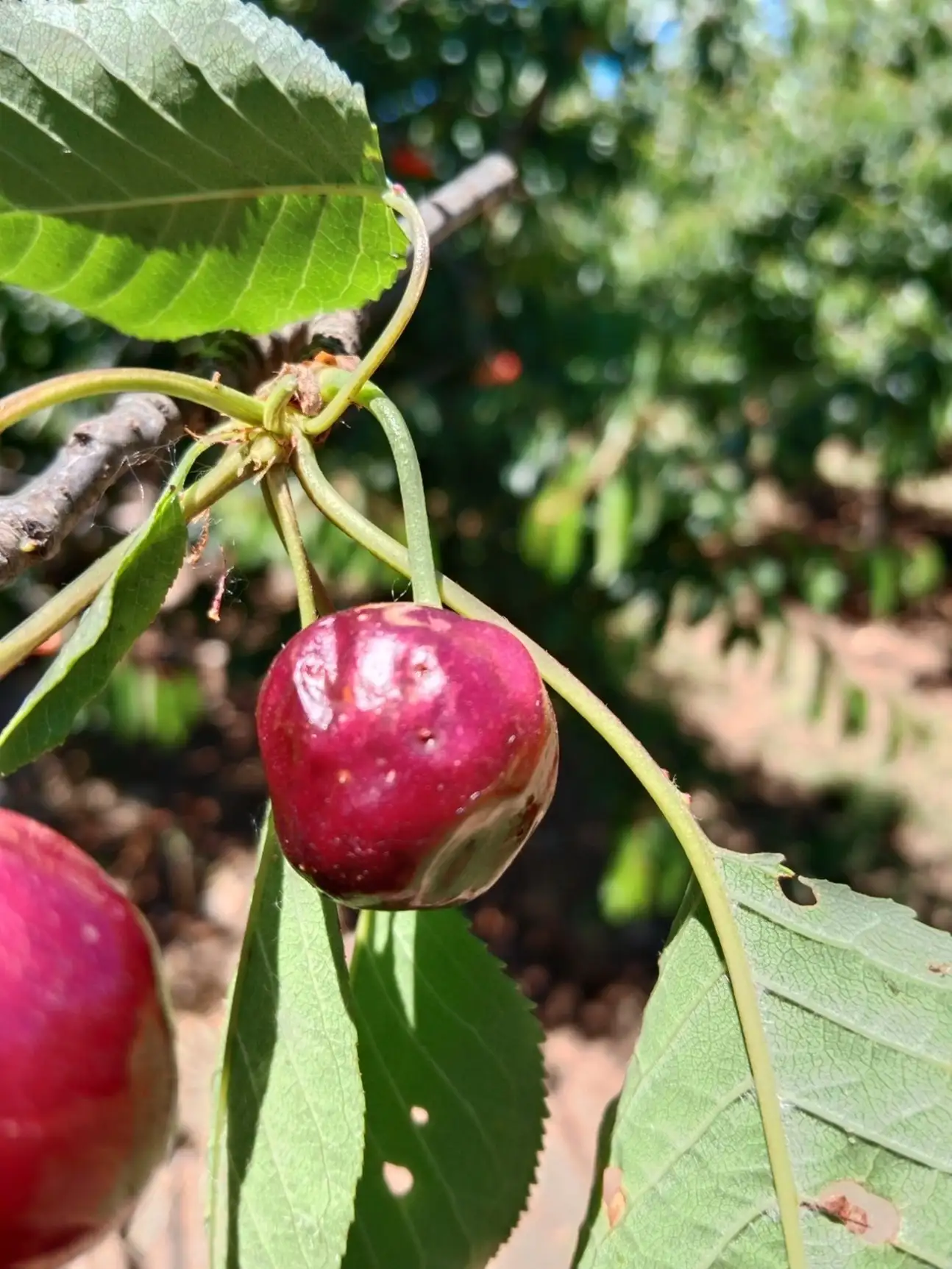 Image 4. Cherry production in the south is under increasing pressure from Drosophila suzukii, a pest that thrives when temperatures range between 20 and 30 °C and relative humidity is high (60–80%), conditions that are very common in this area
Both the climate and the abundance of wild vegetation favor the spread of the pest and complicate the grower’s work, making preventive planning even more crucial in the south.
An intense infestation of Drosophila suzukii can occur within a few days, leaving no time to develop alternative plans close to or during harvest.
These emergency plans for variations in pest behavior must be prepared well in advance.
Therefore, based on the differences between the south and the rest of the country in terms of cherry production, and with the aim of mitigating this pest, the first step is to have a thorough understanding of its historical behavior and of the area where the grower is located.
On this last point, my advice is to look for cherry trees that ripen before commercially available fruit, since information obtained from adult traps is not well correlated with fruit damage.
Experience indicates that the best way to estimate pest pressure in a specific location is to identify these early-ripening cherry trees and inspect the fruit.
This is a very quick process: it is possible to easily inspect 100 fruits in two hours, obtaining an excellent snapshot of the situation.
The key, therefore, lies in planning based on knowledge of this pest and its behavior in each region of the country.
Improvising during the cherry ripening and harvest period is the easiest way to make mistakes that could damage the fruit, rendering it unsuitable for export.
Source: Mundoagro, cherry special, 2025
Opening image source: PHYS, Elora Gompel
Luis Devoto Moreno
Researcher at INIA Quilamapu, Chile
Cherry Times - All rights reserved