The demand for early-ripening sweet cherry cultivars is constantly increasing, as fruit that reach the market before the seasonal peak usually guarantee higher prices and better economic returns for growers.
Many early cultivars show a serious physiological limitation: embryo abortion during the early stages of fruit development, which is linked to the lack of an adequate period of embryonic growth before the second phase of rapid fruit enlargement.
This phenomenon drastically reduces the production of viable seeds and hinders breeding programs.
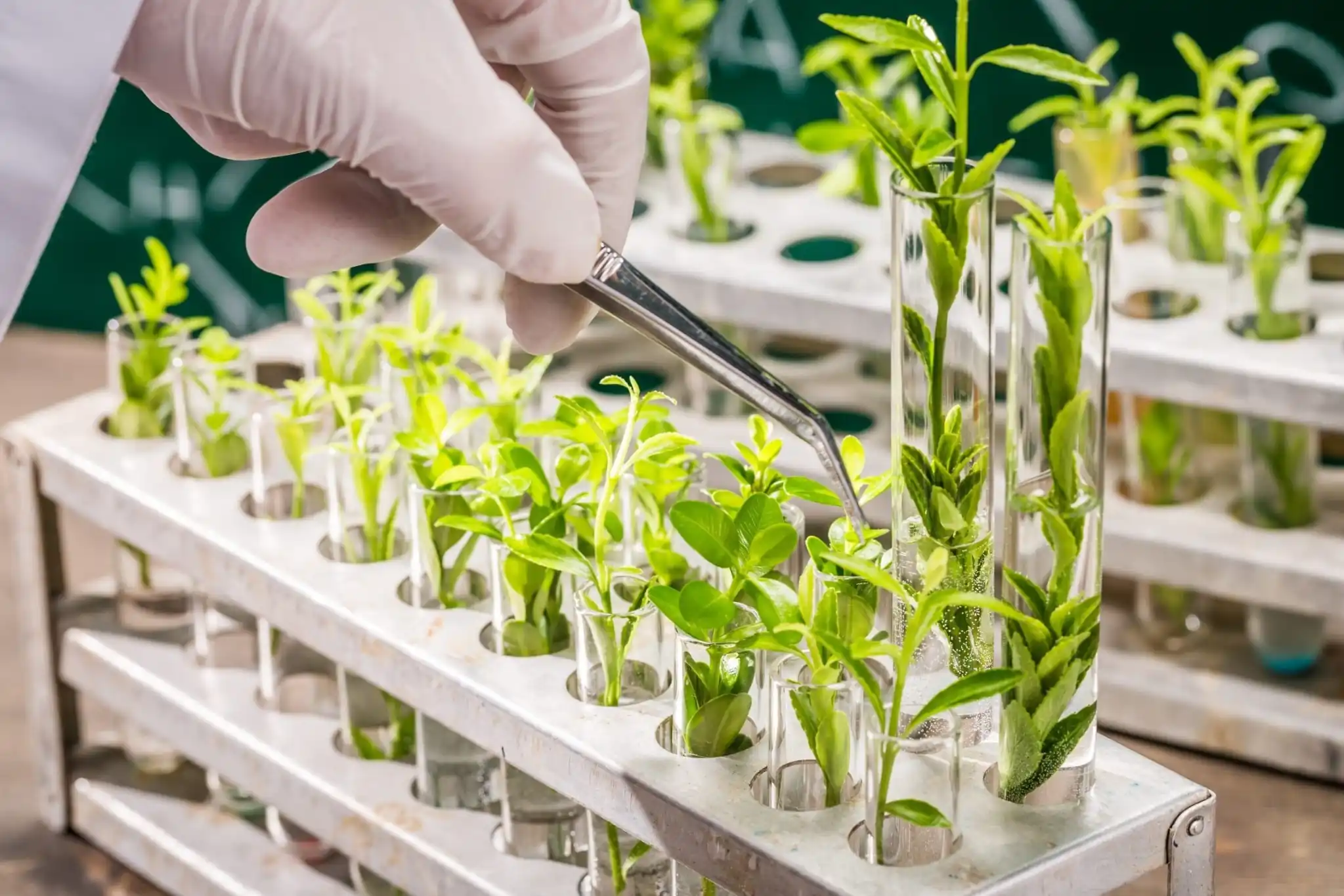
The embryo rescue technique, which involves the extraction of immature ovules and their in vitro culture on artificial media, represents an interesting solution to recover embryos that would otherwise fail to develop.
Embryo rescue and genetic factors
A recent study conducted at Washington State University during 2021-2022 evaluated the effects of nutrient media, the addition of phytohormones, fruit developmental stage at harvest, and parental genetic background on the success of sweet cherry embryo germination.
The results showed that the genetic background of the crosses was the most decisive factor, confirming that the response to embryo rescue is strongly genotype-dependent, as already reported in previous studies on Prunus.
Regarding the basal media, Woody Plant Medium (WPM) and Quoirin & Lepoivre (QL) were compared.
In 2021, QL performed better in many combinations, whereas in 2022 WPM proved more effective, suggesting a strong interaction between medium composition and the genetic background of the embryos.
Media comparison and phytohormones
Both media were suitable for practical use; however, WPM also offers the advantage of a slightly lower nutrient content and therefore lower cost.
The addition of phytohormones (BA, IAA, and kinetin) did not provide consistent benefits and, in some cases, even reduced germination rates, particularly on WPM.
Since phytohormones increase both the complexity of media preparation and operational costs, the researchers suggest not using them as a standard practice for in vitro germination of sweet cherry embryos, reserving their possible use for later stages to stimulate rooting of problematic plantlets.
With respect to harvest time, embryos collected at the pit-hardening stage were compared in 2022 with those harvested at the so-called “straw phase”, when the fruit begins to change color from green to yellow.
Harvest timing and practical recommendations
The data showed an advantage for the straw phase, with higher germination probabilities.
More mature embryos are physiologically better prepared to complete in vitro development, although they may have a slightly higher risk of contamination.
From an operational point of view, it is therefore recommended to wait until the straw phase to maximize embryo rescue efficiency, except in specific cases related to particular genetic combinations.
Overall, the study provides very useful practical guidelines for breeding programs: use QL or WPM without phytohormones, prioritize harvesting at the straw phase, and consider the strong influence of genetics on the success of the technique.
Conclusions on embryo rescue
Embryo rescue is confirmed as a valuable method to increase the number of seedlings obtained from early-ripening crosses, allowing faster selection of new cultivars with early maturity, good fruit quality, and improved economic returns for growers.
Source: Peters, R., Whiting, M., & McCord, P. (2025). Harvest time, nutrient media, and genetics play significant roles in successful embryo rescue in sweet cherry. Euphytica, 221(11), 1-8. https://doi.org/10.1007/s10681-025-03633-1
Image source: Lab Associates
Andrea Giovannini
PhD in Agricultural, Environmental and Food Science and Technology - Arboriculture and Fruitculture, University of Bologna, IT
Cherry Times - All rights reserved