Forchlorfenuron (CPPU) is a synthetic plant growth regulator belonging to the cytokinin group and is increasingly used in fruit production to improve both quantitative and qualitative aspects of yield.
Thanks to its strong cytokinin-like activity, CPPU stimulates cell division and cell expansion, with direct effects on fruit set, fruit retention, and fruit size in several fruit crops, including apple, apricot, grapevine, kiwifruit, persimmon, and sweet cherry.
In addition to yield, CPPU also affects quality parameters such as soluble solids content, sugars, color, astringency, volatile compound production, and, in some cases, parthenocarpy.
A further advantage is the extension of fruit shelf life, achieved through the maintenance of firmness, the delay of ethylene-related ripening processes, and increased calcium uptake.
Physiological effects and yield improvement
From an environmental perspective, CPPU shows very low residue levels and short persistence (pre-harvest interval) in both fruit and soil, making it compatible with current horticultural regulations.
At the physiological level, when applied at appropriate doses, CPPU enhances plant metabolic activity by promoting the translocation of water and nutrients to growing organs, stimulating lateral shoot formation by reducing apical dominance, and increasing leaf area and chlorophyll content.
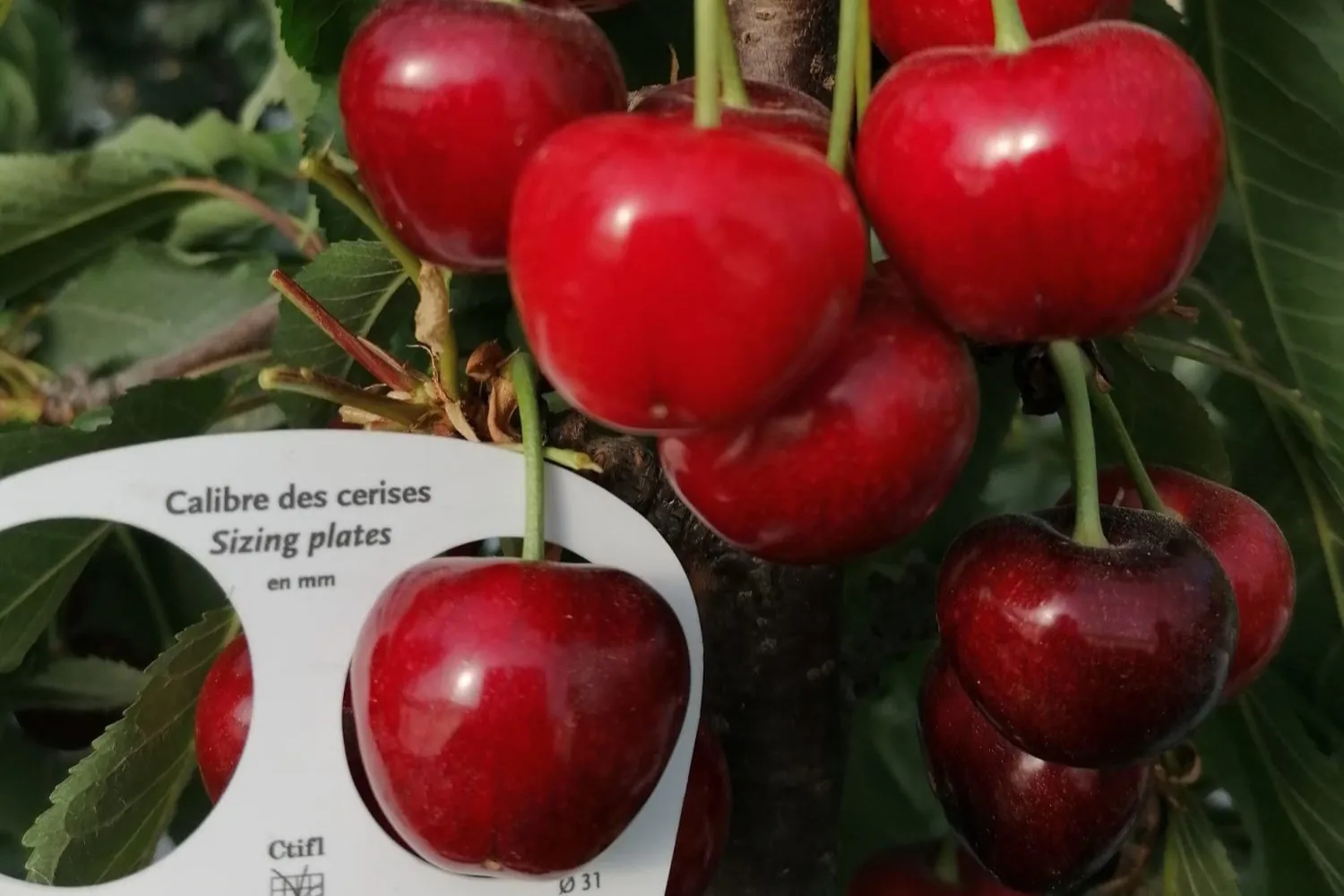
From a production standpoint, the most evident effect of CPPU is the increase in fruit size, due to the higher number and larger size of mesocarp cells.
This strengthening of the metabolic “sink” promotes assimilate allocation to the fruits, improving fruit weight and volume.
Quality impact and variability
At the same time, CPPU reduces fruit drop and increases fruit set percentage, contributing to higher yield per plant.
However, the response varies depending on species, cultivar, phenological stage, concentration, environmental conditions, and agronomic practices.
Regarding quality, CPPU application tends to delay ripening, resulting in firmer fruits with higher calcium content, factors that improve postharvest storability and allow more flexible market management.
In some cases, however, increased fruit size is associated with reduced sugar and soluble solids content, as the higher water content dilutes assimilates and ripening is postponed.
Color and molecular mechanisms
CPPU can also influence fruit color by delaying chlorophyll degradation and anthocyanin and carotenoid synthesis, with positive effects on storability but sometimes negative effects on commercial attractiveness.
At the molecular level, proteomic and transcriptomic studies have shown that CPPU regulates the expression of genes involved in glycolysis, carbon fixation, organic acid metabolism, and reactive oxygen species (ROS) detoxification systems.
Increased activity of enzymes such as phosphoglucomutase, citrate synthase, and ascorbate peroxidase suggests a key role of CPPU in enhancing energy metabolism, redox stability, and stress tolerance.
Conclusion and future prospects
In conclusion, forchlorfenuron (CPPU) emerges as an effective tool to increase fruit yield, size, and storability while improving plant physiological efficiency.
Although its benefits are well documented, plant responses are not uniform and require careful management of application rates, timing, and integration with standard agronomic practices.
Further targeted molecular and agronomic studies will be essential to optimize CPPU use and develop increasingly precise and sustainable strategies for modern, competitive, and quality-oriented fruit production.
Editor's note: The use of forchlorfenuron (CPPU) is currently authorised in Italy only on table grapes and kiwifruit.
Source: ota, D., Kisan, N. P., Kalatippi, A. S., Vishwakarma, P. K., & Kanade, N. M. (2025). Forchlorfenuron for Quality Fruit Production: A Bird’s-Eye View. Applied Fruit Science, 67(5), 392. https://doi.org/10.1007/s10341-025-01601-6
Image source: Stefano Lugli
Andrea Giovannini
PhD in Agricultural, Environmental and Food Science and Technology - Arboriculture and Fruitculture, University of Bologna, IT
Cherry Times - All rights reserved