How 800 crossbreeds in a university greenhouse set the standard for modern cherry cultivation worldwide. The best revolutions start quietly. This one began in a greenhouse.
Between 1965 and 1971, Prof. Werner Gruppe and his team at a German university systematically crossed Prunus cerasus with Prunus canescens and a number of other species. Their goal: a rootstock that could do what Prunus avium had never managed—keep sweet cherry trees small, productive, and manageable. Eight hundred crosses. Years of rigorous selection. And then, in 1981, a single selection, “Gi1482,” stood out from the rest.
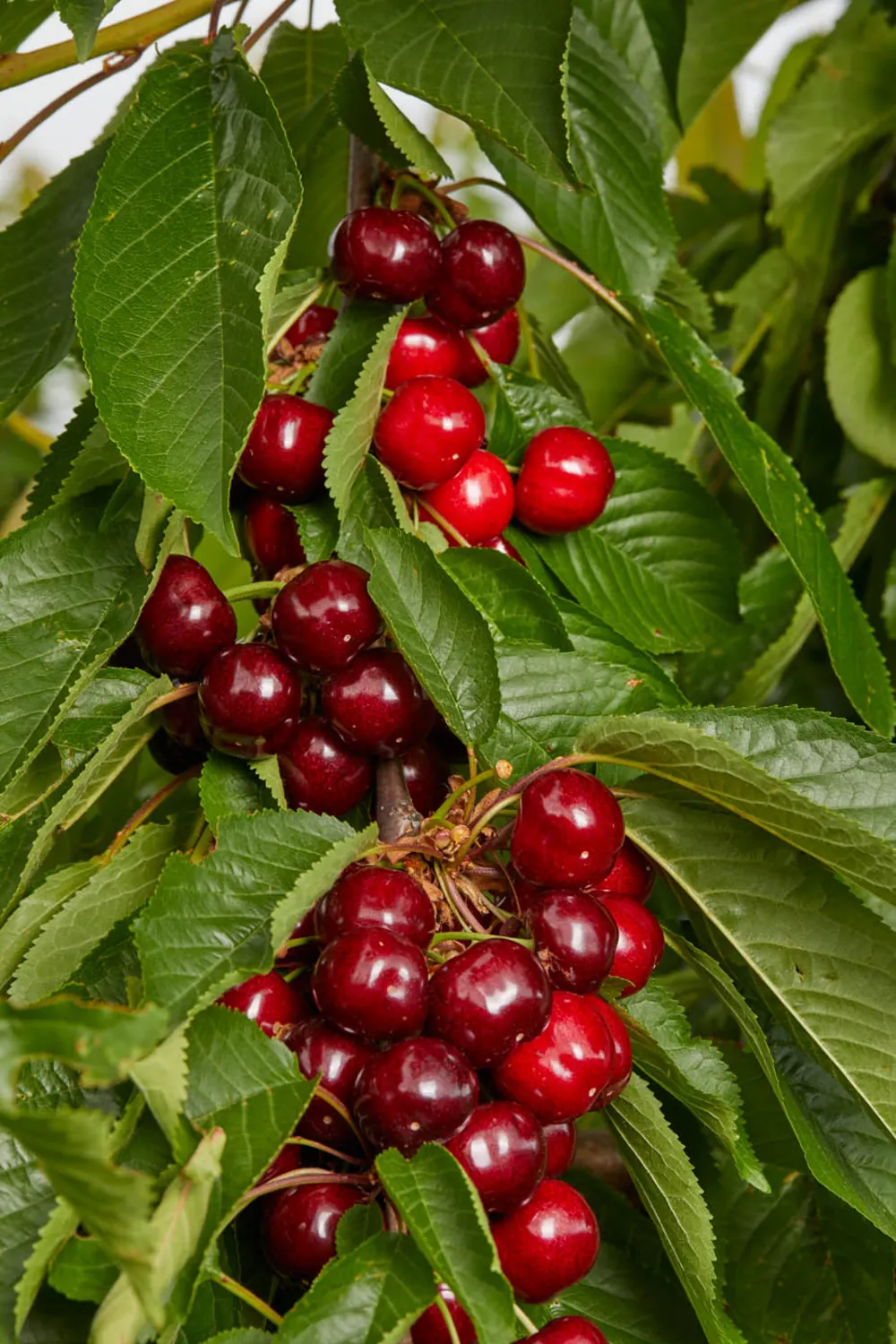
From greenhouse to global standard
From it came GiSelA® 5 “Gi1482” : the most widely planted cherry rootstock in Europe and arguably the most influential rootstock in the history of commercial sweet cherry cultivation.
The name tells its own story. GiSelA® stands for “Gießen-Selection-Ahrensburg,” a tribute to the university where the breeding work began and to Hanna Schmidt, who continued the research at the Federal Institute for Plant Breeding in Ahrensburg. What began as a scientific challenge became a global standard.
The company at the heart of this global expansion is CDB. Consortium Deutscher Baumschulen GmbH is headquartered in Ellerbek in northern Germany and has built its reputation on a single, unwavering commitment: EU-certified, virus-tested GiSelA® planting material of the highest quality. In an industry where the health of the rootstock determines the lifespan of a fruit orchard, quality becomes the decisive factor for success. It is the foundation upon which growers build their operations.
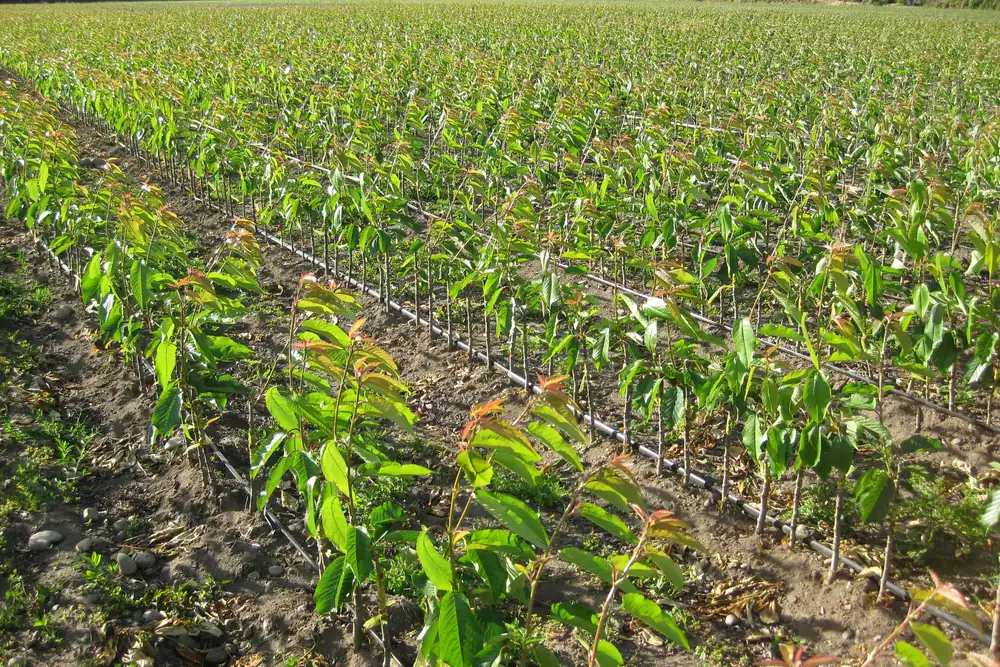
GiSelA® 5 „Gi1482" and GiSelA® 6 „Gi1481": The Commercial Backbone
Of the six rootstocks in the GiSelA® family, GiSelA® 5 “Gi1482” and GiSelA® 6 “Gi1481” form the commercial core of the product range. GiSelA® 5 “Gi1482” reduces growth to about 45 to 50 percent of the growth rate of Prunus avium, thereby enabling the high-density systems that characterize modern, intensive cherry cultivation.
The trees reach harvest maturity as early as the “second or third leaf”, and their compact canopy structure is suitable for both covered systems and mechanized cultivation. The economic logic is compelling: more trees per hectare, earlier yields, and consistent fruit quality in markets that increasingly value size and color.
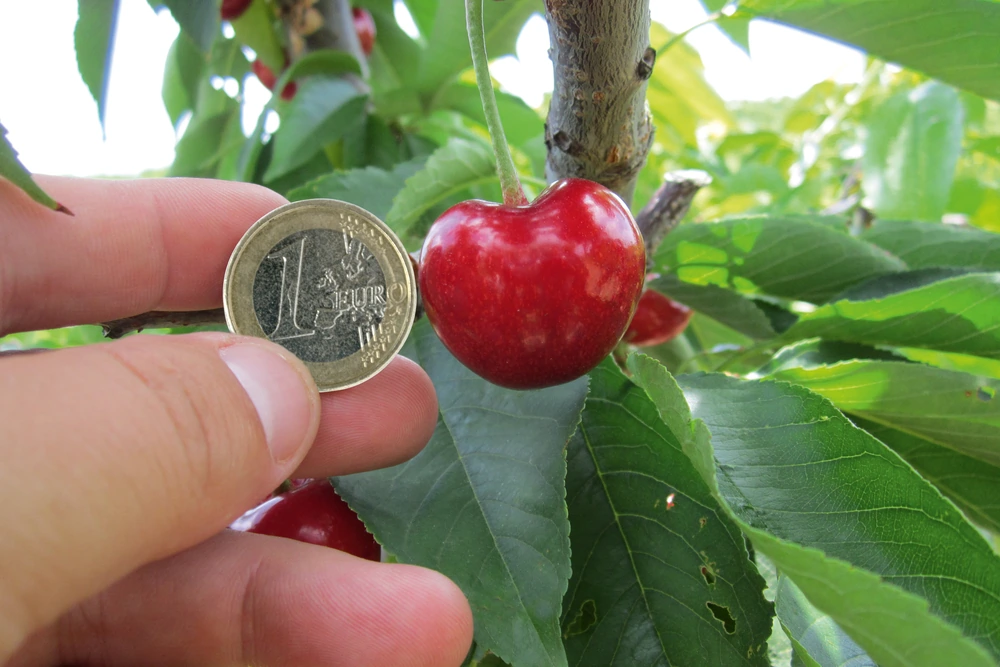
GiSelA®6 “Gi1481” offers growers a complementary option. With growth that is 5 to 10 percent stronger than GiSelA® 5 “Gi1482,” it adapts better to lighter soils and drier conditions without losing the early precossity for which the GiSelA® name is known.
Together, GiSelA® 5 “Gi1482” and 6 “Gi1481” cover a wide range of growing conditions: from intensive protected-culture systems in Northern Europe to open-field orchards in South America, Asia, and beyond.
The Future Is Already in the Soil
From a university greenhouse to orchards on five continents: The history of GiSelA® is one of the most remarkable developments in modern horticulture. CDB has been part of it from the very beginning, propagating, certifying, and supplying material that growers around the world can trust.
The family continues to grow. With GiSelA® 12 “Gi1592,” 13 “Gi14813,” and 17 “Gi31817,” newer varieties are now available that specifically expand the range: offering broader climate tolerance, improved drought resistance, and suitability for replanting. Answers to climate change before the questions become more critical.
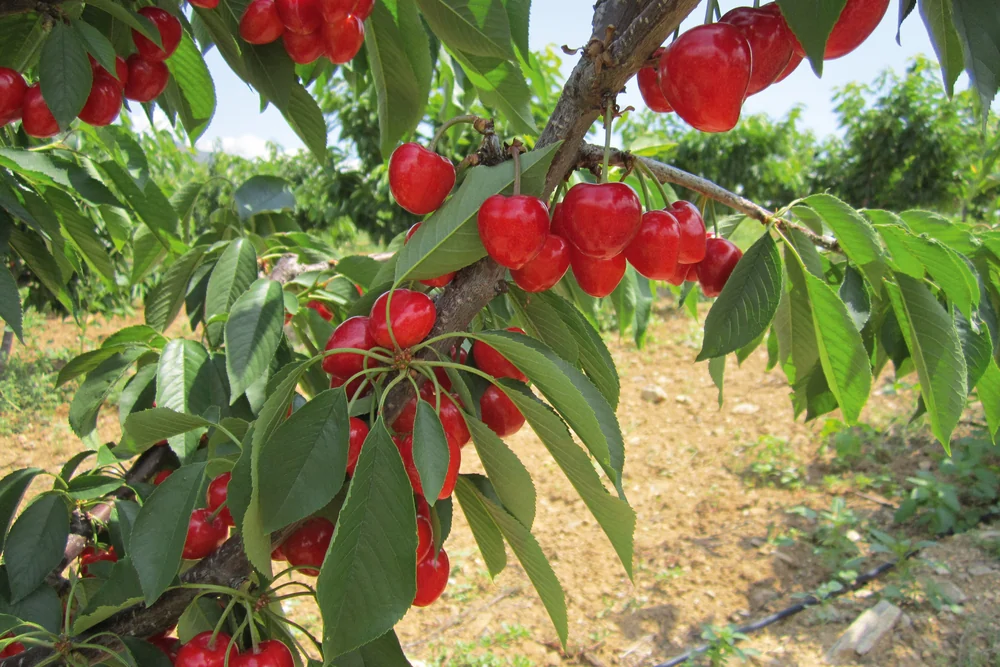
Cherry cultivation is changing rapidly. Climate change, labor shortages, and the demands of premium markets are putting every aspect of cultivation to the test. In this environment, choosing the right rootstock is no trivial matter. It is the decision on which everything else depends.
GiSelA® was developed precisely for this challenge. And at CDB, the work continues to ensure this quality is available season after season. The future—quite literally—is already in the ground.
Text and image source: Consortium Deutscher Baumschulen GmbH
Cherry Times - Tutti i diritti riservati