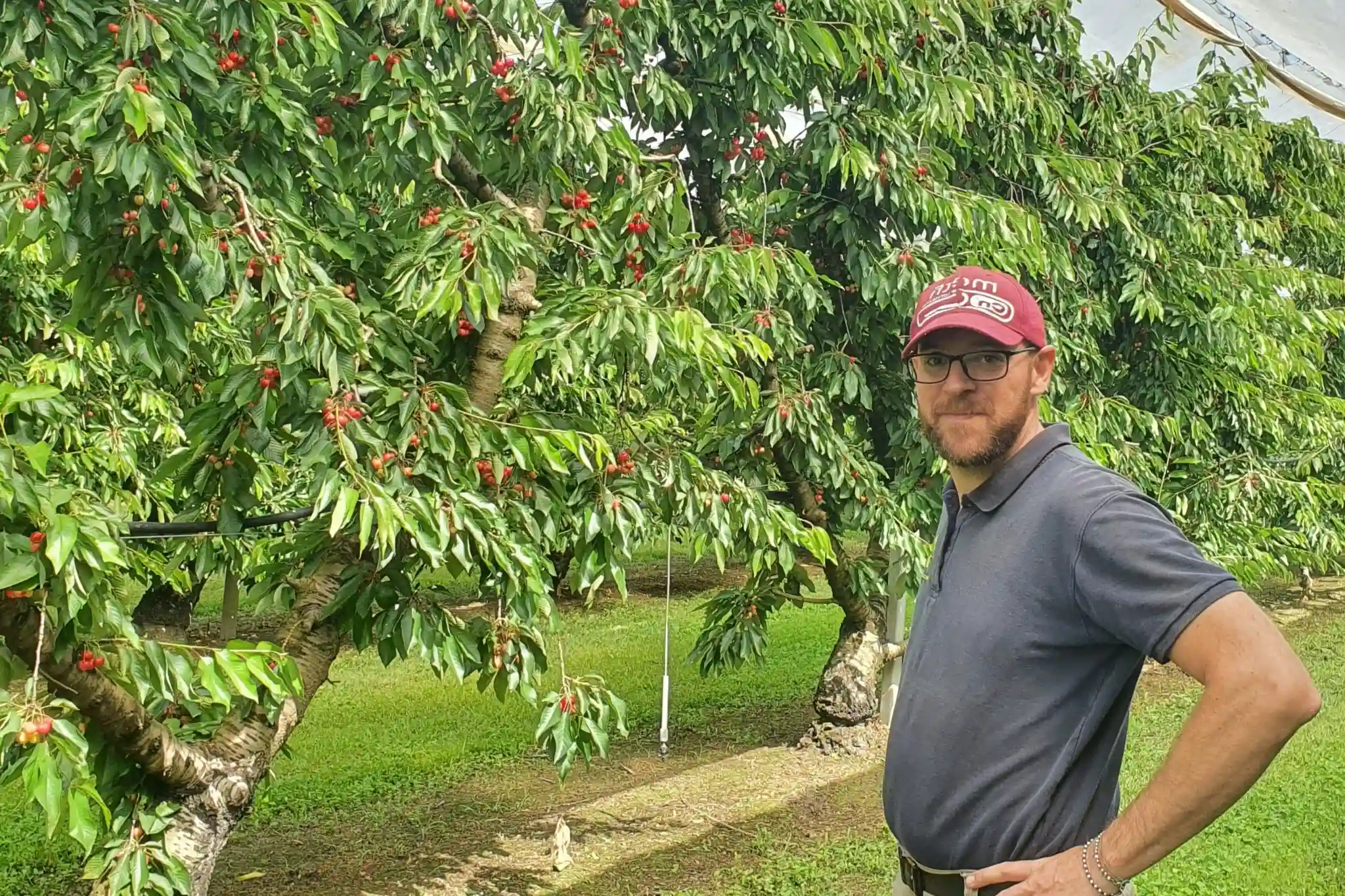
In the Jerte Valley, in Extremadura, the cherry season has just begun with the earliest varieties and encouraging prospects in terms of both quality and volumes.
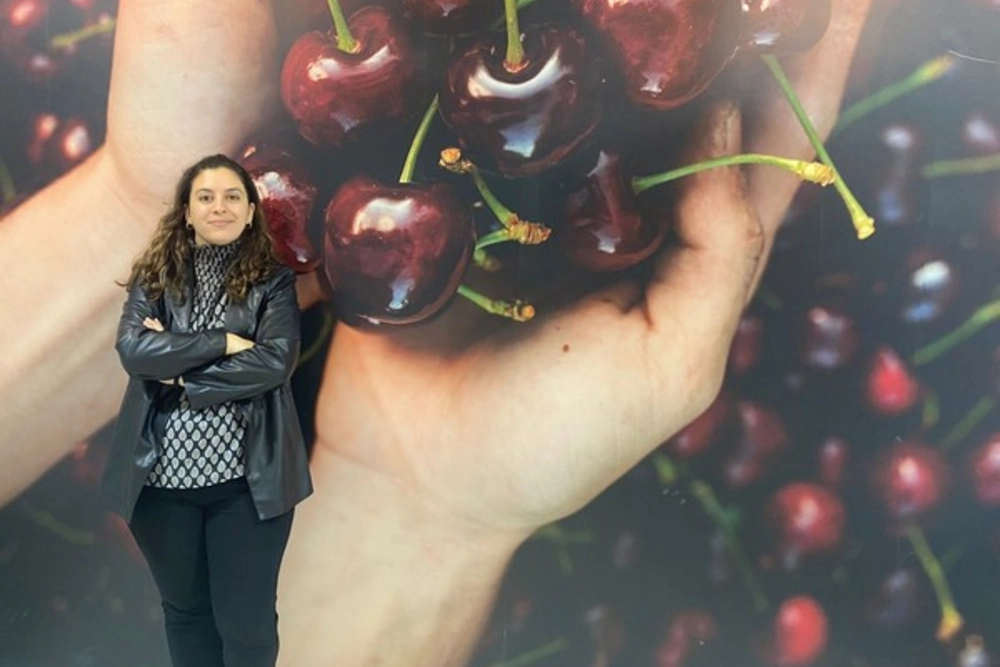
According to Mónica Tierno, Director General of the Jerte Valley Cooperative Association, the first kilos arrived yesterday. During the first few weeks, production will be mainly destined for the domestic market, while volumes are expected to gradually increase in the coming days. From the second week of May, the goal is to have sufficient volumes to open export lines and continue shipments until the end of July.
Favorable weather and estimated production between 18,000 and 20,000 tons
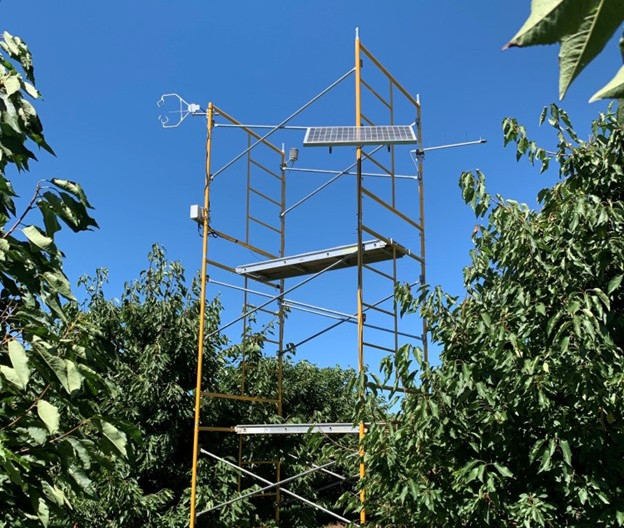
The winter and spring weather conditions supported fruit development. A colder and rainier winter compared to recent years ensured that trees met their chilling requirements. In spring, the absence of severe weather events allowed for good flowering and steady growth.
The Association expects production to range between 18,000 and 20,000 tons. Orchards are located between 400 and 1,200 meters above sea level, enabling a natural staggered harvest. Expectations point to a good balance between yields and fruit size.
European markets, promotion, and anticipation for China
The organization brings together 15 cooperatives and 2,500 growers, marketing cherries in Spain and across several European countries. Promotional activities are planned in Spain, Sweden, Denmark, and the United Kingdom during the campaign to support consumption.
The market is starting with positive demand and attractive prices. Difficulties faced by Chilean and Argentine cherries in China have extended their presence in Europe, but the seasonal gap between the Southern and Northern Hemispheres is still creating space for Spanish production.
Attention remains focused on the formal opening of the Chinese market. The protocol to export cherries to China has been signed, preparations and certifications have been completed, and commercial contacts are already underway. However, initial volumes will be limited and introduced gradually.
Unstable costs and increased automation
The conflict in Iran is creating uncertainty around raw material and logistics costs. Sea freight to China had not been planned due to its impact on shipping routes: the strategy was based on air transport, with a stopover in the United Arab Emirates, a solution that could still face disruptions linked to the Middle East conflict.
On the production side, cultivated area remains largely stable due to the limitations imposed by the mountainous terrain, despite a slight increase in new plantings. Productivity is improving thanks to new varieties, redesigned planting systems, and better agronomic management.
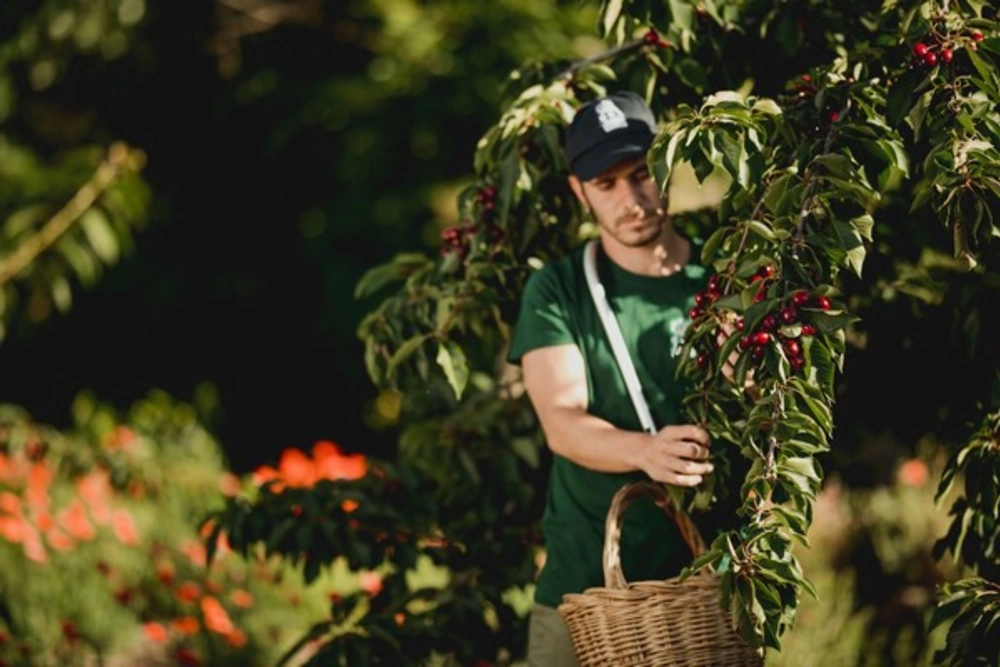
To address the shortage of skilled labor and rising costs, the Association continues to invest in automation and robotics for processing and packaging. This direction, season after season, could become increasingly crucial for the competitiveness of the Jerte Valley.
Source text and images: www.freshplaza.com
Cherry Times - All rights reserved