In a context marked by climate crises, collapsing production and a rise in foreign competition, late-season mountain cherries have become the focus of a revival strategy rooted in Trentino. Two giants of the fruit industry, Melinda and Vip, have decided to collaborate to enhance a fruit that is increasingly rare and in demand.
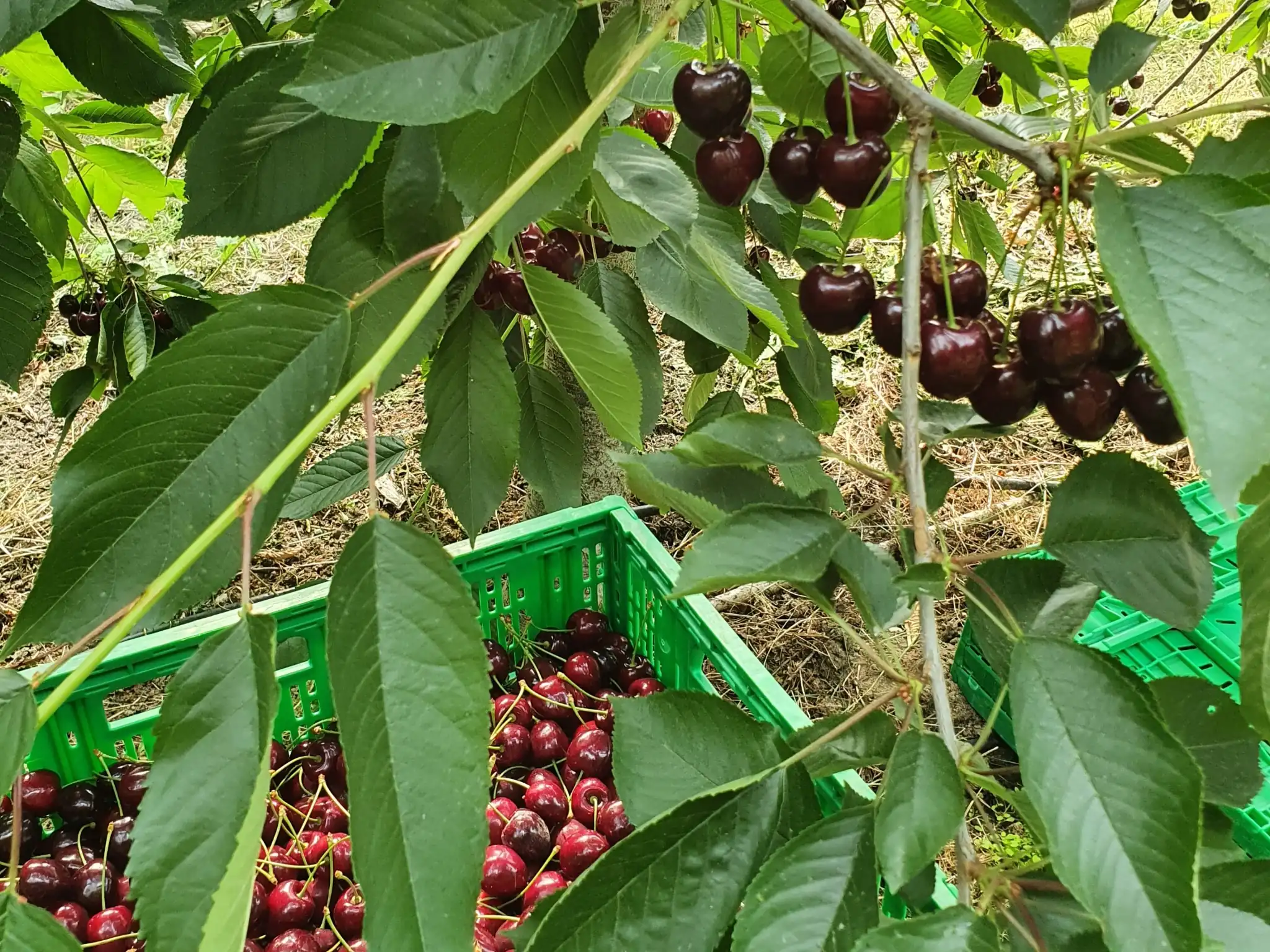 The production of mountain cherries in Trentino–South Tyrol is mainly concentrated on two varieties: Kordia and Regina. Source: SL Fruit Service
The revival of Trentino cherries
The new alliance between Consorzio Melinda and Vip – the Association of Fruit and Vegetable Cooperatives of Val Venosta – is focused squarely on a top-tier segment: late-season cherries grown in the mountains.
With around 2,500 tons harvested in the last season, Trentino’s cherry production, although still young, shows great vitality and a significant growth potential.
The collaboration aims to build a more solid and efficient supply chain, able to seize the opportunities of a market increasingly seeking quality and reliability, especially at a time when national production is struggling.
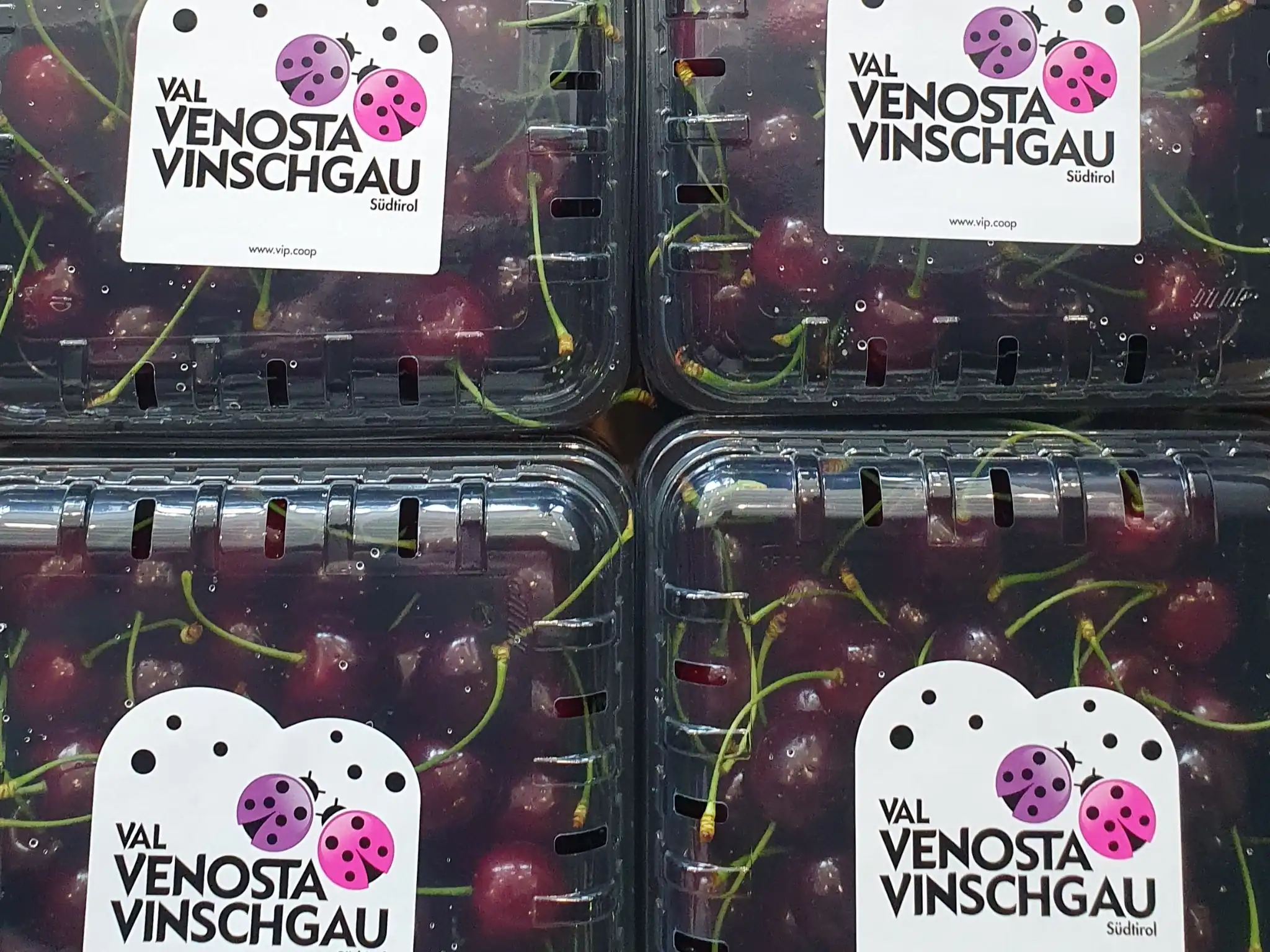 Image 1. VIP-branded mountain cherry packs, cv Kordia. Source: SL Fruit Service
The cherry sector crisis and new global balances
2023 was a disastrous year for Italian cherries, especially in Apulia, where late frosts wiped out up to 70% of the crop, pushing prices as high as 23 euros per kilo.
This surge turned cherries into an almost luxury product, opening the door to major imports from Greece and Spain.
On a global level, the sector is also facing a delicate phase. According to the United States Department of Agriculture (USDA), the 2025–2026 season will see a global production drop of 10%, with volumes expected to reach around 4.6 million tons: the first contraction after six years of growth.
The main causes lie in the losses recorded in Turkey, Europe and the United States.
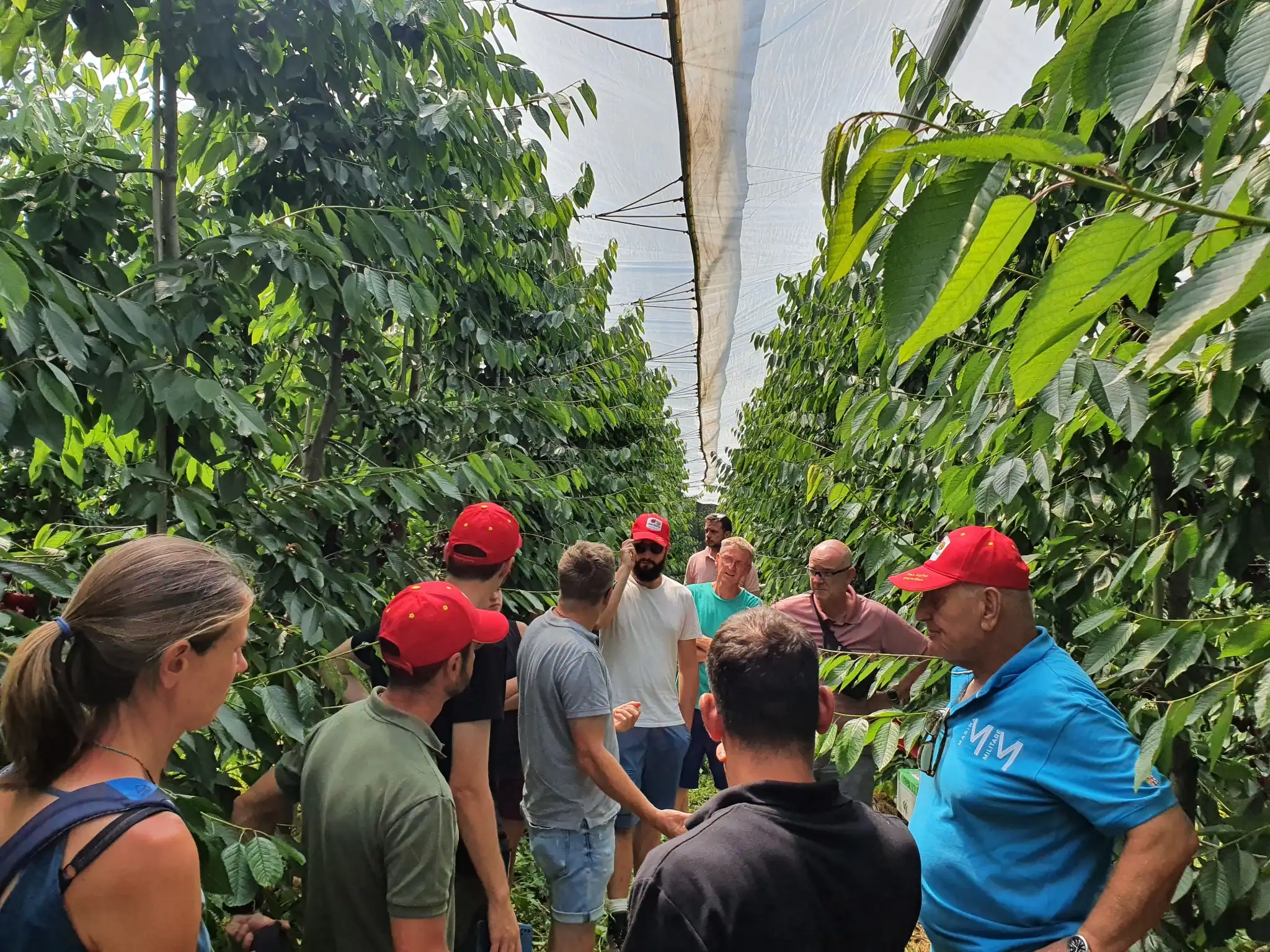 Image 2. Research and experimentation on modern cherry orchard systems developed in Trentino–South Tyrol attract strong interest from technicians and professionals across the supply chain. Source: SL Fruit Service
Global leaders and Italian production
China remains the world leader with 900,000 tons, although domestic demand is growing faster than supply.
Meanwhile, Chile, with a record forecast of 730,000 tons, confirms its role as a strategic supplier in critical market windows.
In Italy, average production remains between 100,000 and 110,000 tons, but the role of late varieties could become increasingly decisive.
A joint project for a single brand
Late-season cherries, which ripen after those from Apulia and Vignola, represent a key resource for both partners in the project.
Melinda, a second-level consortium with 16 cooperatives and 4,000 members, and Vip, which brings together 7 cooperatives and 1,500 growers in Val Venosta across 5,500 hectares, will join forces in a shared value-enhancement plan.
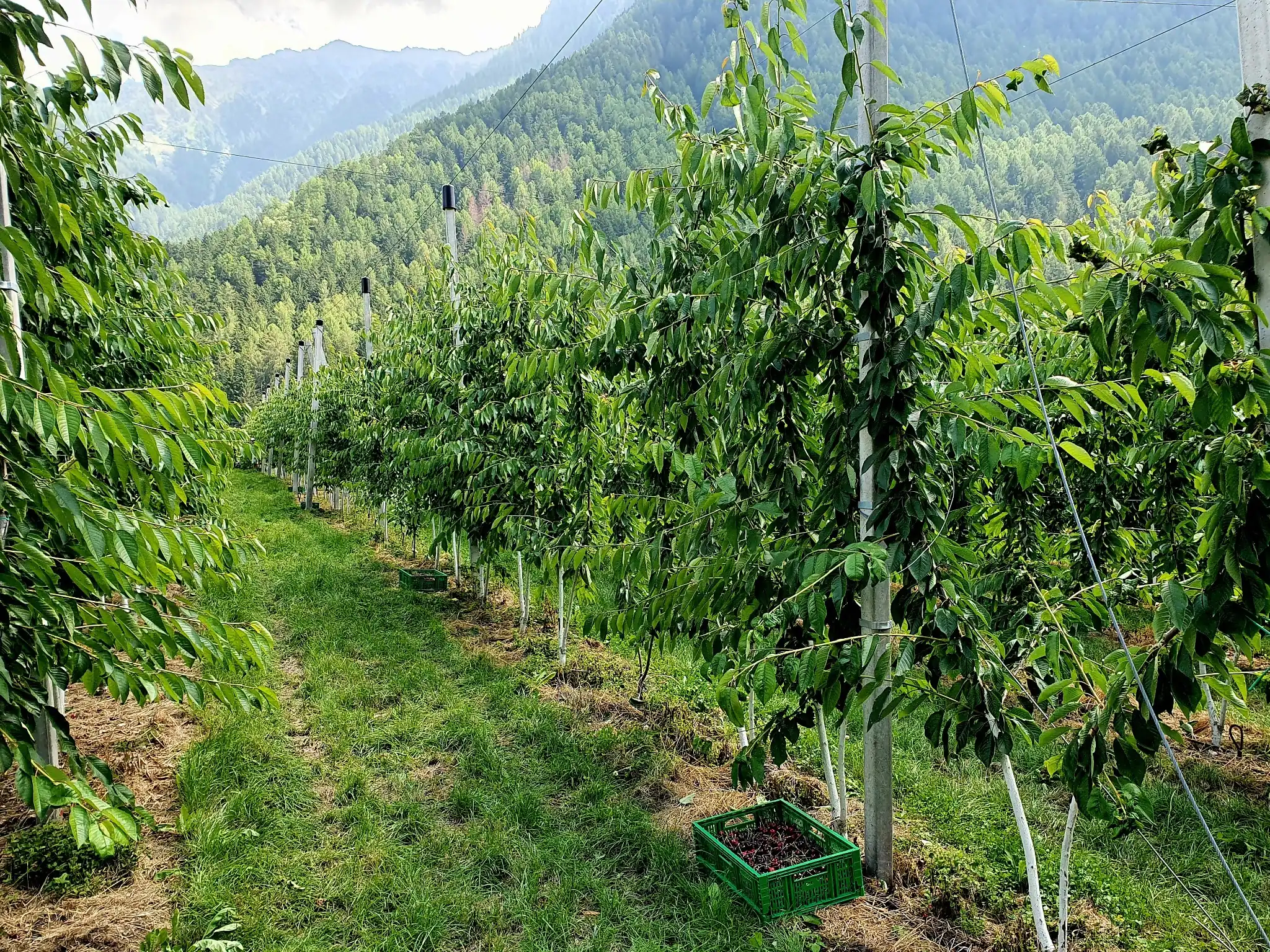 Image 3. The double-axis system or Bibaum®. A new cherry training system used in the new pedestrian orchards in Trentino–South Tyrol with Kordia and Regina varieties and Gisela 5 rootstock. Source: SL Fruit Service
The agreement, which will come into force from 2026, provides for shared quality standards and integrated marketing, managed by Melinda.
The goal? To bring 3,500 tons of mountain cherries to market under a single brand: Consorzio Melinda – Mountain Cherries.
Building the future together
“Sharing expertise and resources is essential to ensure profitability for our members,” said Ernesto Seppi, president of Melinda.
Vip president Thomas Oberhofer added: “Cooperation is the key to facing production and commercial challenges together.”
In a global scenario that is rapidly evolving, mountain cherries are positioning themselves not only as an elite product, but also as a model of a sustainable and resilient supply chain.
Silvia Marzialetti
Il Sole 24 Ore
Cherry Times - All rights reserved