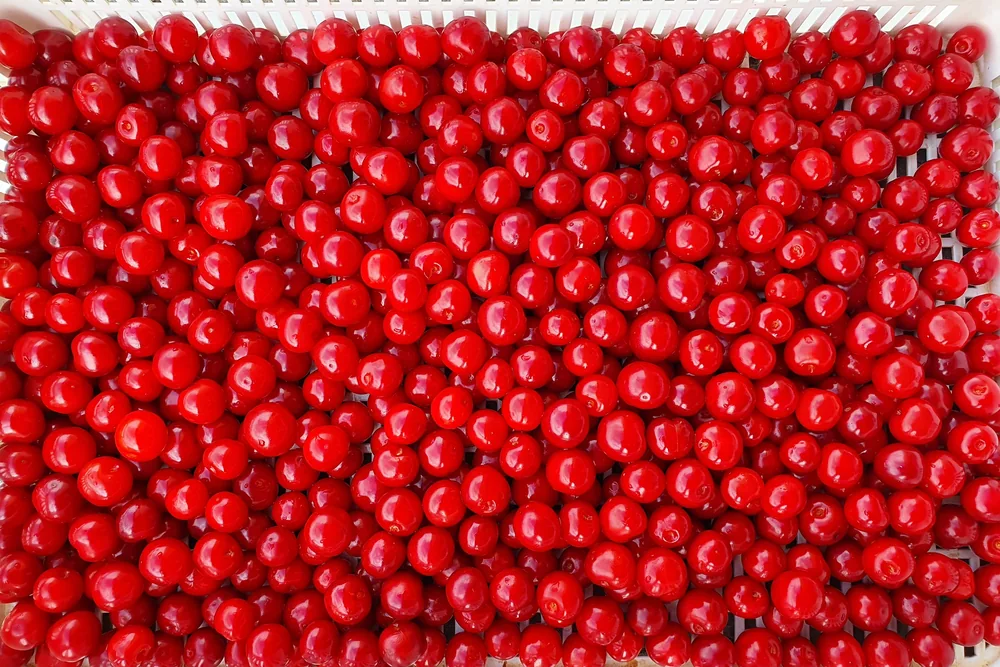
Spring freezes have dealt a severe blow to the 2026 tart cherry season in the United States. According to forecasts from the United States Department of Agriculture (USDA), national production is expected to total just 91 million pounds (41.3 million kg), a 36% decline compared with the previous year.
The figures come from the Fruit and Tree Nuts Outlook: July 2026, in which the Department reports that freezing temperatures during particularly sensitive stages of flowering caused significant damage to orchards in Michigan and Utah, two of the leading states for this crop.
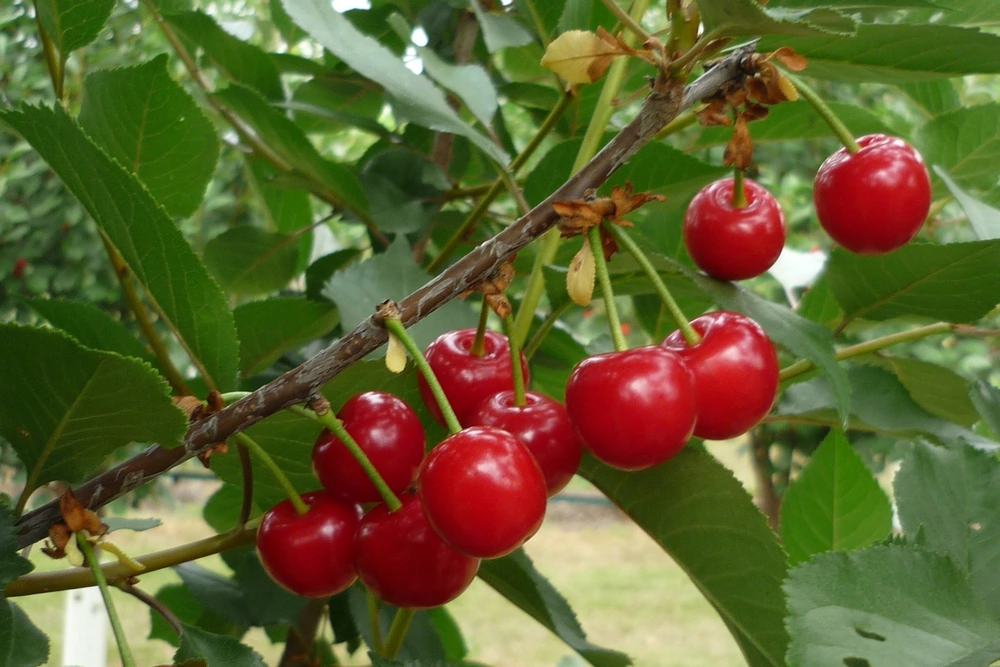
Fewer tart cherries available for the processing industry
The sharp decline in the harvest could have direct consequences, particularly for processors and food companies. In the United States, tart cherry production is highly seasonal, and nearly 99% of the crop is intended for processing.
The fruit is mainly used to produce juice concentrate, frozen fruit, dried products and canned pie fillings. A more limited supply of raw material could therefore restrict availability throughout the industrial supply chain.
In addition to the lower production forecast for 2026, another critical factor must also be considered: processors are entering the new marketing season with lower beginning stocks than in recent years.
According to the USDA report, the volume of mature pitted tart cherries held in cold storage in May was the lowest since 2013, the year following the particularly poor 2012 harvest.
The combination of below-average beginning stocks and limited production in 2026 is expected to place upward pressure on prices paid to growers, while also limiting the supply of raw material available to the domestic processing industry.
Michigan heading towards its smallest harvest in six years
Michigan, the leading tart cherry-producing state in the United States, is expected to harvest 83.1 million pounds (37.7 million kg) in 2026. This is almost 27 million pounds (12.2 million kg) less than last season and the lowest volume recorded in the past six years.
The cool spring initially slowed crop development. However, conditions worsened following a freeze in late April, which damaged the most vulnerable buds in some orchards and resulted in lower yields.
Utah production outlook at its lowest since 1972
The impact was even more severe in Utah, where intense freezes in late spring caused widespread damage to orchards.
If the current forecasts are confirmed, the state's tart cherry production would be the lowest since 1972. That year, which was also affected by damaging spring freezes, production fell to just 1.3 million pounds (0.59 million kg).
The 2026 season is therefore expected to be particularly challenging for the US tart cherry supply chain. With a sharply reduced harvest and limited beginning stocks, the balance between industrial demand and product availability will be one of the key factors to monitor over the coming months, particularly because of the potential effects on prices and supplies for processors.
Source: www.freshfruitportal.com
Image source: Stefano Lugli
Cherry Times - All rights reserved