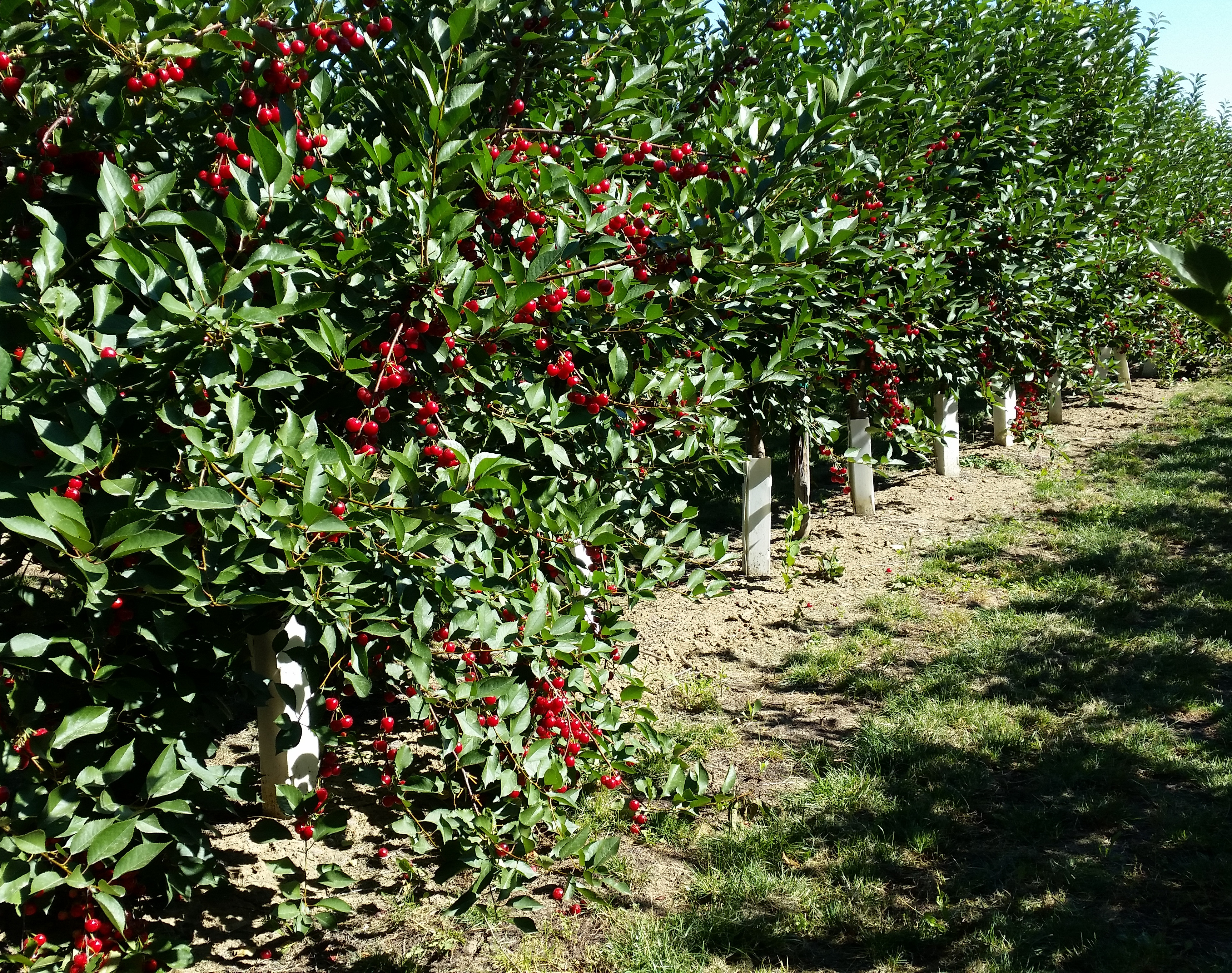
The first Spanish greenhouse-grown cherries are entering the European market, but they remain a niche product. In week 14, the Dutch company Van Ooijen Citrus received the very first quantities: just 60 kg in the initial days, followed by around 100 kg.
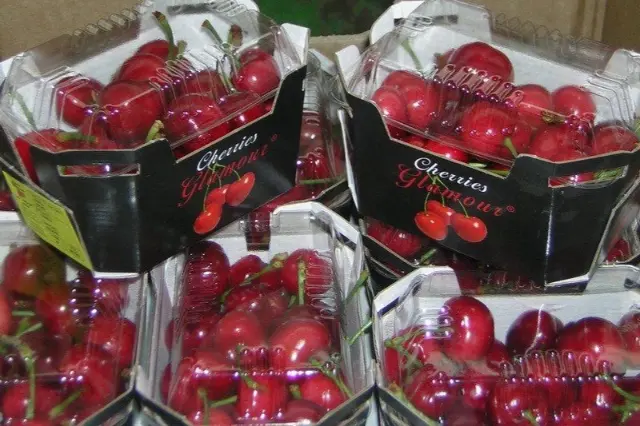
A limited debut not only in terms of volume, but also accessibility: with prices reaching €80/kg, commercialization proves challenging even for experienced operators. As Lucien Ruiter points out, selling these cherries remains a real challenge, despite market interest.
A “must-have” product for niche operators
Spanish greenhouse cherries, as tradition dictates, represent a symbolic product for those aiming to be among the first to offer the fruit in the season. These are small quantities – one or a few boxes – destined for selected clients.
Demand, however, is present: wholesalers in the Netherlands, along with buyers from Scandinavia and the United Kingdom, are eager to secure these early arrivals. More than a volume-driven business, this is a commercial and image lever for industry operators.
At the same time, Van Ooijen Citrus had already stopped importing cherries from the Southern Hemisphere in February. The main reason was quality considered below expectations in the latest shipments.
The arrival of European production fits into a strategic moment for the market. However, the open-field cherry season may face delays: the lack of cold nights is affecting normal crop development.
An increasingly central European supply chain
Despite its name, Van Ooijen Citrus has established itself as a cherry specialist, with volumes steadily increasing year after year.
The strategy is clear: starting from Spain and then continuing with supplies from Turkey, Moldova, Belgium, and the Netherlands. A rotation that allows coverage of the next five months with European product, reducing dependence on extra-EU imports and enhancing local supply chains.
Spanish greenhouse cherries confirm their status as an elite product, capable of attracting attention but not yet significantly impacting market volumes. The real test will be the start of the open-field season, which will determine prices, availability, and commercial dynamics in the coming weeks.
Source: www.freshplaza.it
Image source: VIA Empresa
Cherry Times - All rights reserved