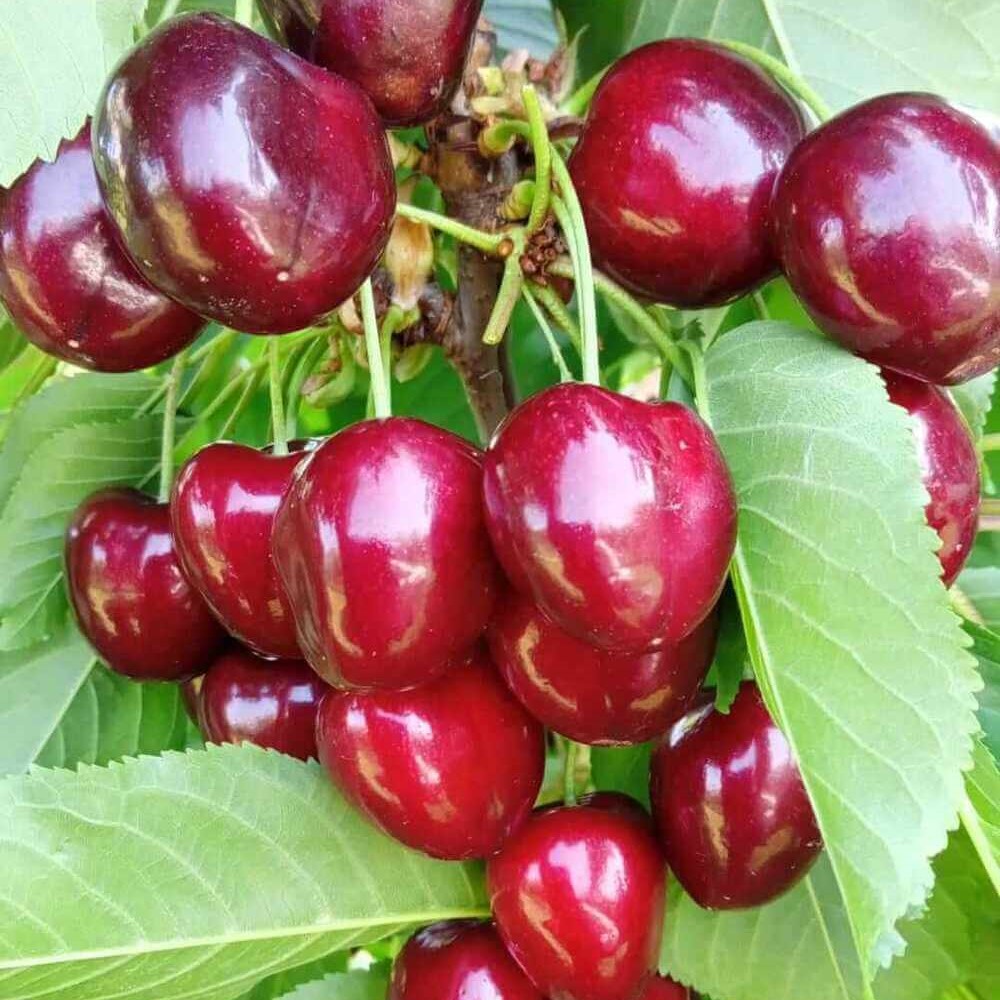
On the eve of the Chinese New Year, the most eagerly awaited celebration in the calendar of the Asian giant (scheduled for February 17), Chilean cherries once again take center stage. A symbol of prosperity and abundance, this fruit is among the most appreciated gifts during the festivities, making Chile a strategic player in the Asian market.
However, in order to maintain high standards of quality, size, color and firmness – essential requirements in global markets – the postharvest phase proves to be decisive. It is within this context that the third edition of the Curso de Poscosecha de Cerezas took place, led by renowned agronomist and consultant Patricio Morales, with a focus on the correct technical approach in orchards to maximize the export potential of Chilean cherries.
A technical event looking ahead
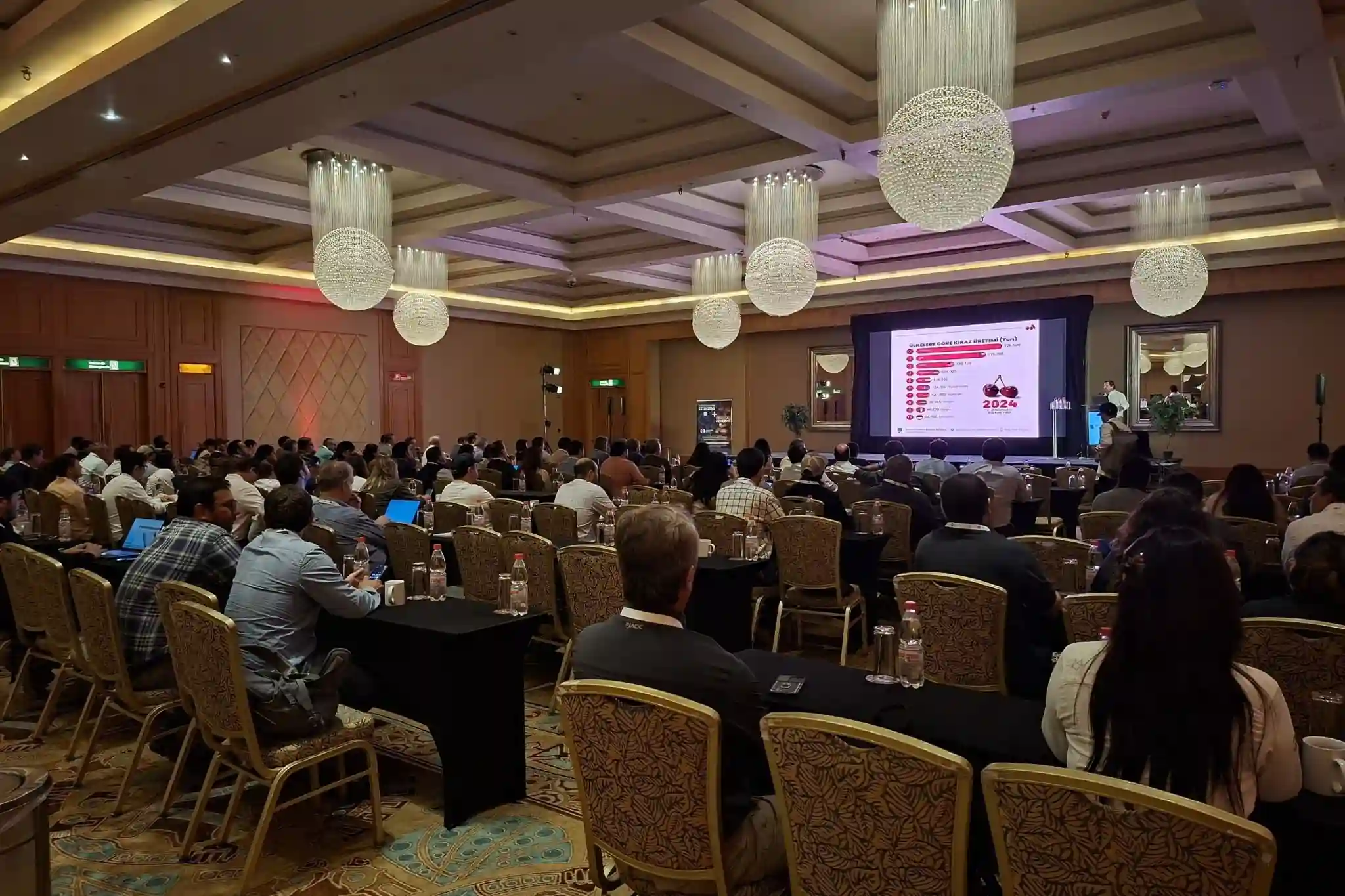
The meeting, held on January 21 at the Monticello Convention Center, marked a turning point: for the first time held in person after two online editions, it attracted over 250 participants, including growers, exporters and operators from the agri-food sector.
In his opening remarks, the director of Asesorías y Servicios Agrícolas – the organization behind the event – highlighted the new challenges facing Chilean fruit production: “A complex season lies ahead, with ever-new obstacles that require shared solutions.” This message served as a common thread throughout the day, emphasizing cooperation among the different links of the supply chain.
The course, organized by Consultora Agrícola y Comercial Santa María (CASM Blueberries), brought together experts, growers and distributors, all aware of being part of an interdependent ecosystem. “Each of us plays a key role in the production of high-quality fresh fruit,” Morales reiterated.
Plant pathology and integrated strategies
During his presentation, Patricio Morales highlighted the increasingly pressing phytosanitary challenges faced by growers: “Since last season, we have recorded a significant increase in pressure from pests and pathogens. With fewer chemical tools available, biological strategies are taking on a central role.”
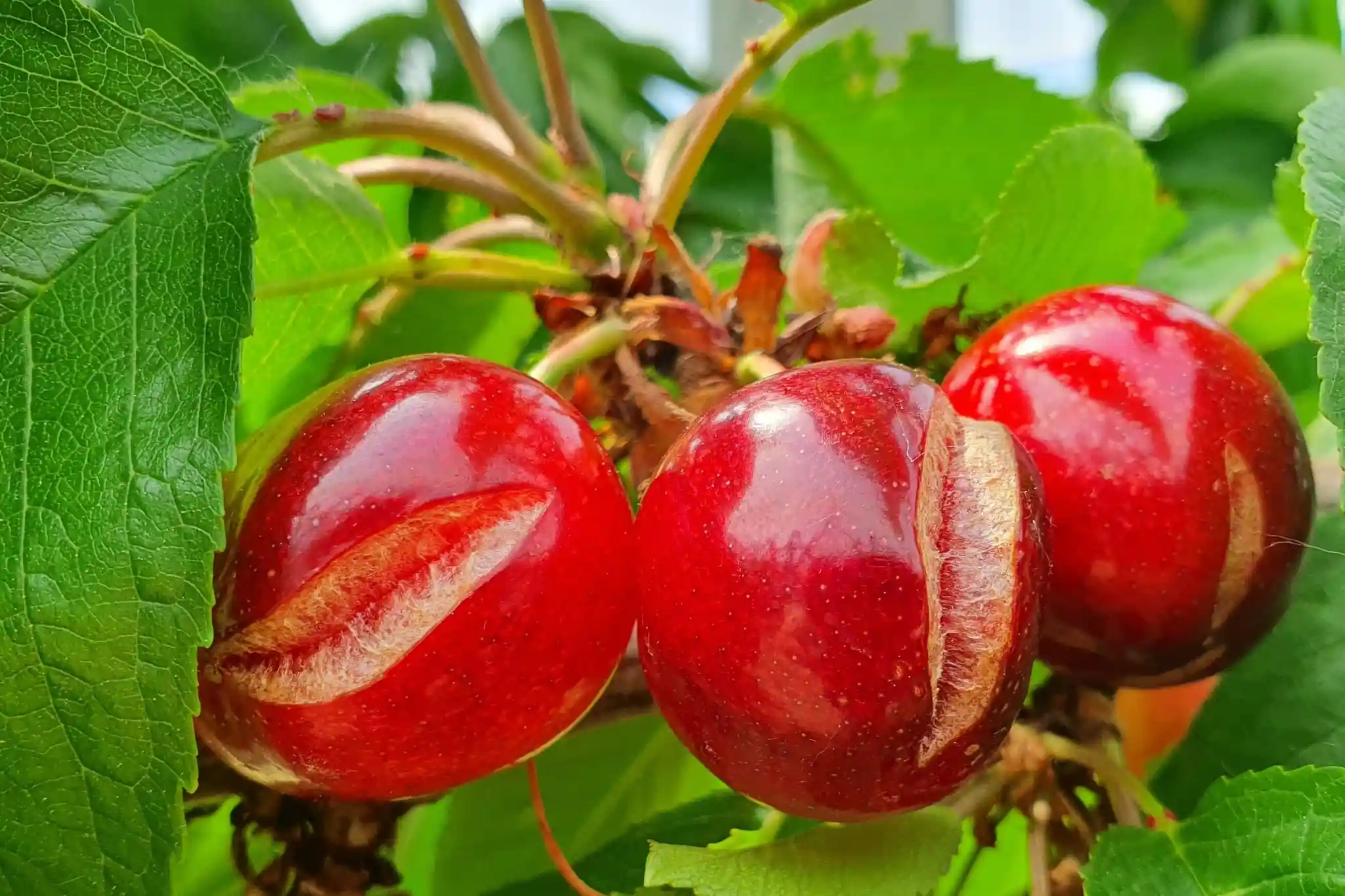
The opening of new international markets, often very restrictive from a phytosanitary standpoint, requires the adoption of highly targeted crop protection programs. In particular, Morales pointed out that Botrytis and Alternaria represent the main postharvest threats, often exacerbated by the presence of Drosophila suzukii, an insect that is especially aggressive in the pre-harvest phase.
“A strict management of treatment schedules is essential to avoid critical windows in which the insect can establish itself,” he explained, adding that the use of fungicides during flowering remains an indispensable practice, but one that must be carefully calibrated: “In recent years, there has been excessive use of some low-cost molecules, with the risk of reducing their effectiveness.”
Towards continuous training
The event also marked an important debut: it was in fact the first training initiative organized directly by CASM Blueberries. Antonia Maggiolo, Head of Research and Development at the company, expressed great satisfaction with the participation and interest shown: “We are very pleased with the success of this first course and we are already announcing upcoming meetings dedicated to blueberries.”
The day concluded with a positive assessment from Patricio Morales: “Over 260 participants, a result that fills me with pride. It is great to see so much energy and willingness to contribute to the future of Chilean fruit production. Let’s continue pushing together to strengthen the cherry sector.”
Text and image source: blueberriesnews.com
Cherry Times – All rights reserved