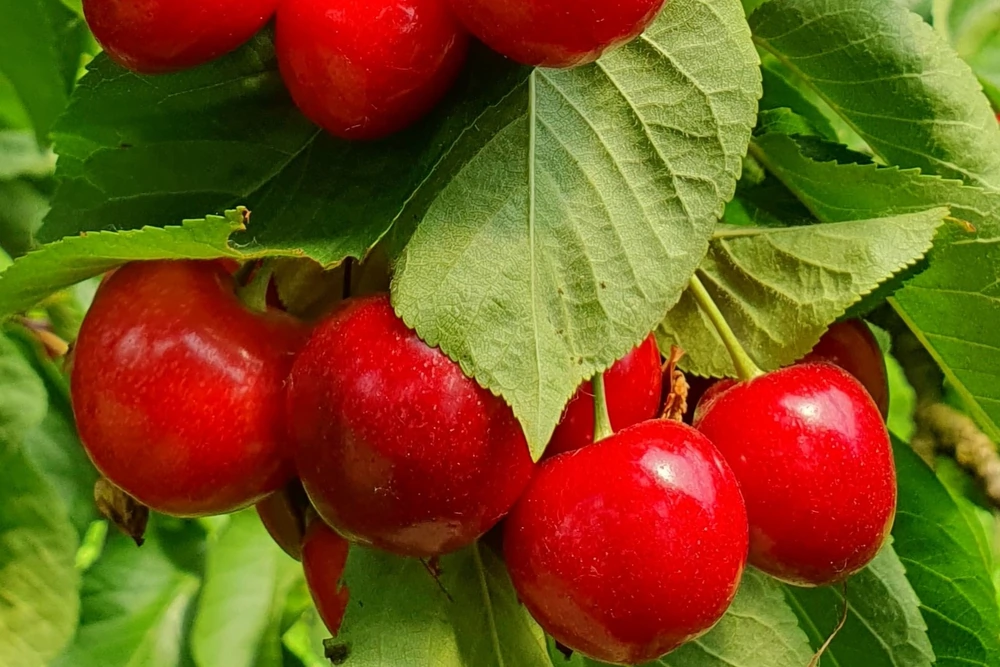
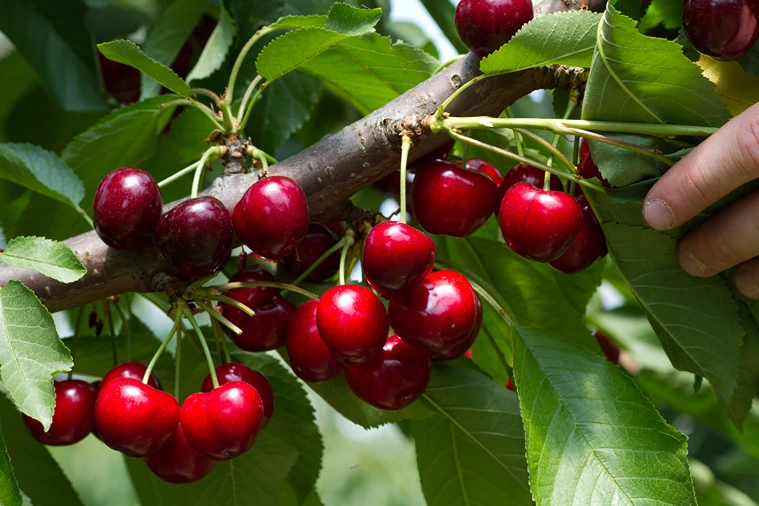
A study conducted at the University of Concepción (Chile) aimed to evaluate the effectiveness of two emerging technologies—ultrasound and nanobubbles—in preserving the postharvest quality of sweet cherries cultivar “Regina.”
This research was motivated by the growing need to identify sustainable strategies capable of reducing or replacing the intensive use of synthetic fungicides, particularly in the context of long-distance exports such as those destined for Asian markets, where prolonged maritime transport poses a critical challenge for maintaining fruit quality.
A total of nine postharvest treatments were applied. Specifically, ultrasound was tested at three different power levels (30, 100, and 360 W for 30 seconds), while nanobubbles were generated using three different gases: oxygen (O₂), carbon dioxide (CO₂), and ozone (O₃).
These treatments were compared with three control groups: a positive control treated with the fungicide fludioxonil, a negative control with no treatment, and a “blank” group subjected only to washing with water.
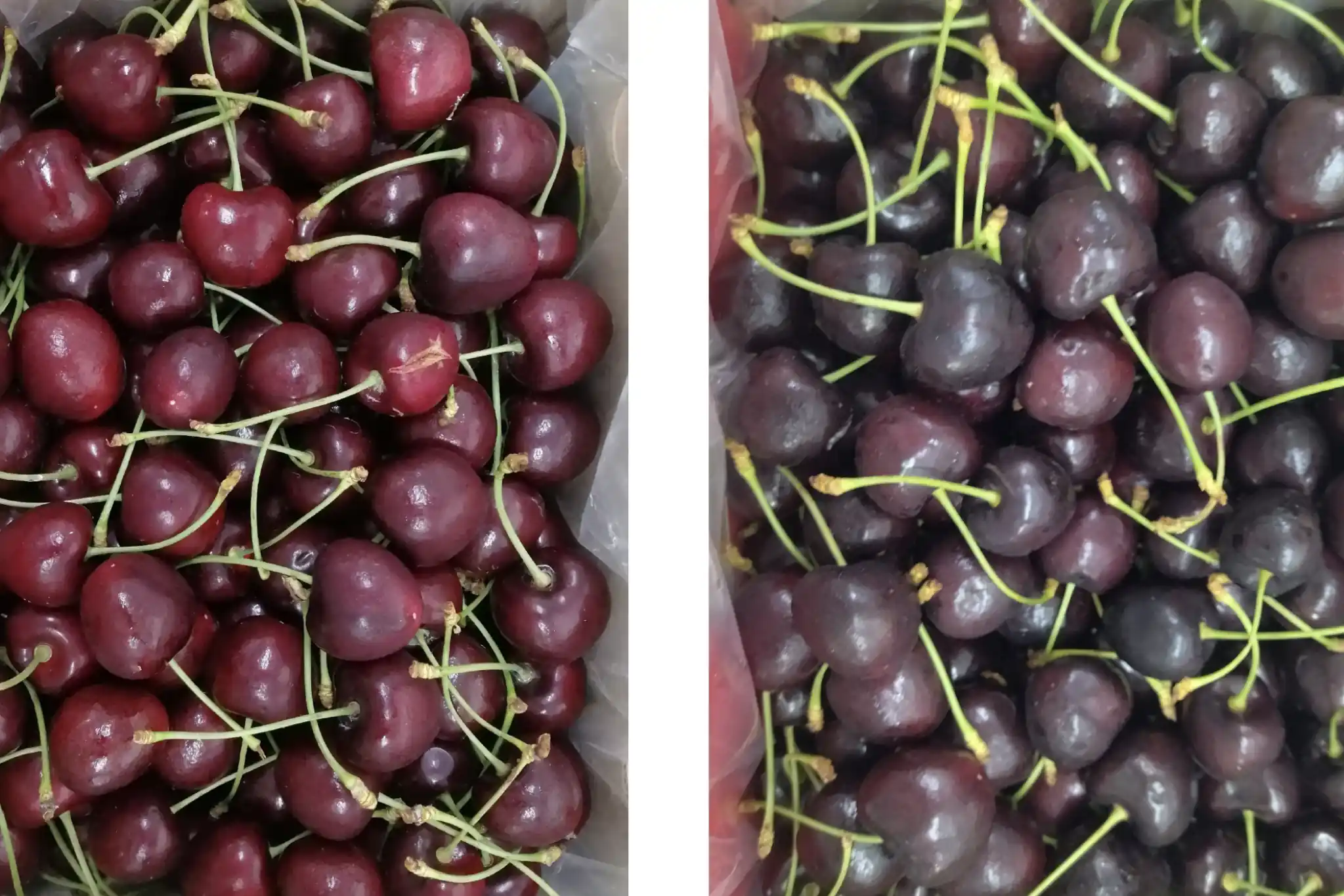
Storage and parameters analysed
After treatment, the cherries were stored at 0 ± 0.5 °C for up to 45 days, realistically simulating the conditions of intercontinental maritime transport.
Throughout the storage period, a wide range of quality parameters were monitored. From a physical perspective, fruit mechanical resistance, size, and total mass were assessed.
Chemical analyses included the determination of soluble solids content, titratable acidity, respiration rate, and electrolyte leakage, which are key indicators of cellular integrity.
External and internal color were evaluated using the CIELab system, while microbiological quality was assessed by counting mesophilic aerobic microorganisms, molds, and yeasts.
Statistical analysis and results
To achieve an integrated interpretation of the results, multivariate statistical techniques were applied, including principal component analysis (PCA), correlation analysis, and analysis of variance (ANOVA), with a significance level of p < 0.05.
The results demonstrated that both ultrasound and nanobubbles represent viable alternatives to the fungicide fludioxonil. In particular, ultrasound applied at 30 W proved to be the most effective treatment for preserving fruit mechanical resistance and mass, as well as for significantly reducing microbial load, due to its gentle effect on cellular structure.
In contrast, high-power ultrasound (360 W) showed negative effects on cherry coloration. With regard to nanobubbles, those generated with CO₂ stood out for their ability to maintain fruit color and chemical stability, whereas O₃ nanobubbles resulted in a relatively high microbial load at the end of the storage period.
Conclusions and prospects
Overall, low-power ultrasound and CO₂ nanobubbles emerged as the most promising solutions for extending shelf life and preserving the quality of sweet cherries, offering a sustainable and effective alternative to conventional synthetic fungicides.
Source: repositorio.udec.cl
Image source: Redagricola
Melissa Venturi
University of Bologna (IT)
Cherry Times - All rights reserved