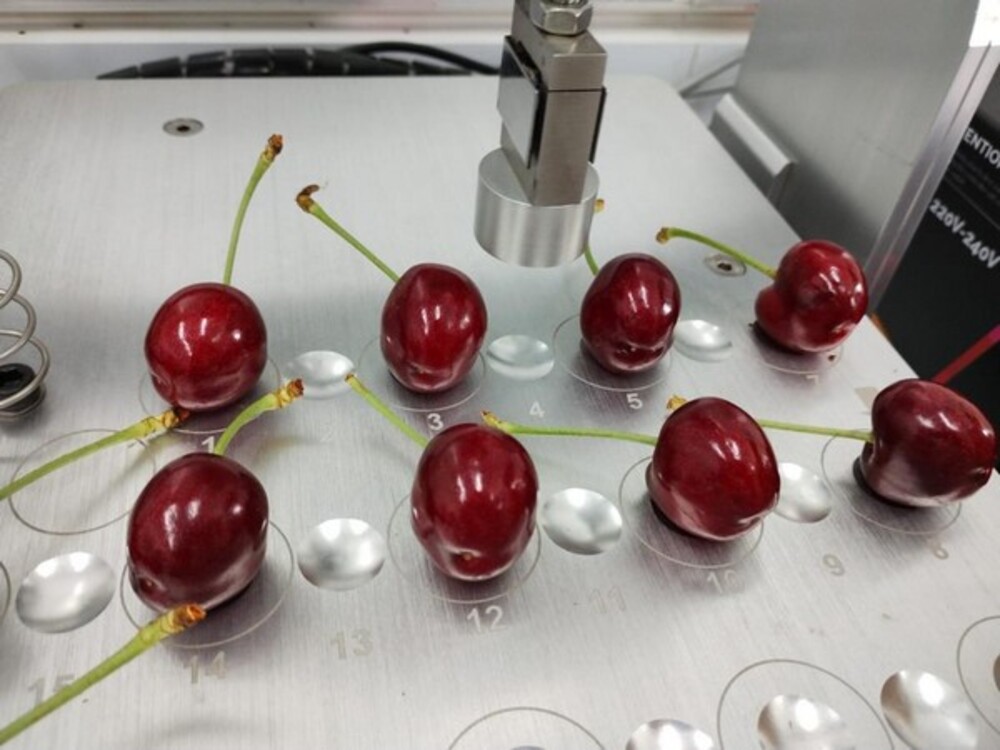
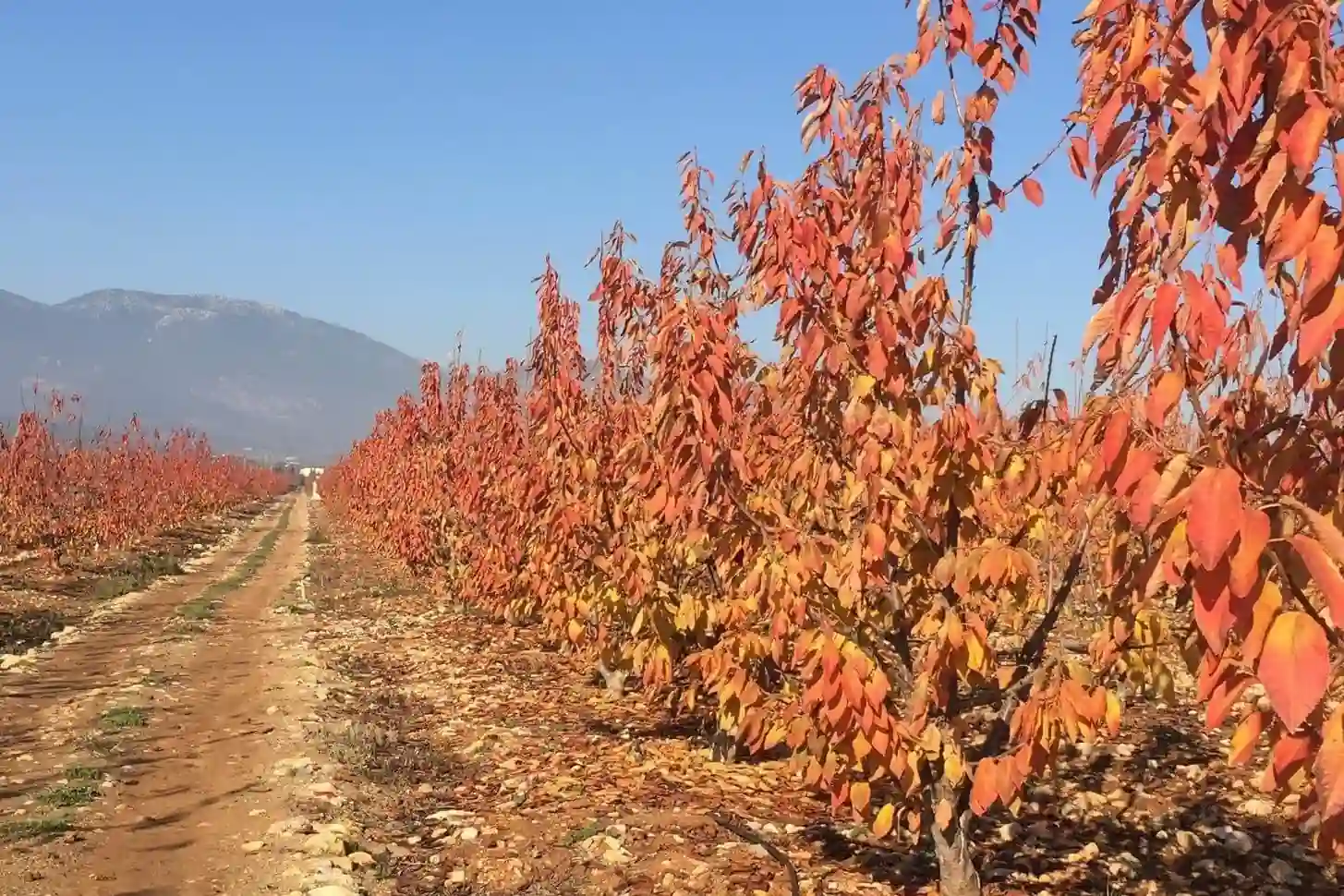
It was supposed to be a banner year for Pacific Northwest cherries. Cherry production is estimated to be about 10% above last year’s, the fruit is high quality, and California’s shorter-than-usual season meant cherry pickers would be free to migrate north to bring in the crop.
The only problem? They never showed up.
" We had everything, the size of the cherries, we had the quality — perfect scenario," said Erik Zavala, director of field staff at Blue Bird, a growers co-op in Wenatchee, Washington. “Now, everybody’s asking, ‘What the hell happened? I mean, where are the pickers?’”
Cherry growers and labor
Cherry growers say the threat of deportations under President Donald Trump’s immigration crackdown is keeping the migrant workforce they rely on this time of year from showing up to work. They describe an increasingly urgent labor crisis that could leave cherries rotting in the field, and farmers holding the bill.
The Trump administration has waffled on whether to include farmworkers in its effort to conduct mass deportations. Last week, Immigrations and Customs Enforcement officials said they will not target farms, but reversed that guidance on Monday according to The Washington Post.
Cherries are an important business for the Pacific Northwest, which accounts for about 70% of U.S. sweet cherry exports. Washington is the top sweet cherry producing state in the country, followed by California and Oregon.
Migrant workforce challenges
To supply the world with cherries, growers rely on a roving migrant workforce that follows the ripening season from the Southwest, to California, to Washington. It’s a carefully timed migration, and any delay can be costly for farmers.
Last year, for example, California’s extra long season meant pickers didn’t show up in Washington until well into its ripening window. That’s an acute issue for cherries, which are highly perishable. They need to be picked within a few days of ripening to be sold.
Jon Folden is a fourth-generation farmer overseeing dozens of cherry, apple, and pear orchards for Blue Bird, the growers co-op. He’s used to dealing with labor shortages, but he’s never seen anything like this season.
Impact on growers
“It’s never been this bad,” he said. “It’s going to put some people out of business.”
Folden and Zavala stressed that they haven’t seen ICE raids on Washington farms, but that the attention from protests, news stories, and social media, is sowing fear among cherry pickers anyway.
“ We’re not seeing any raids, “Folden said. “We’re not seeing anyone getting picked up from the orchards. We’re not seeing anybody coming into the warehouses and cleaning out the warehouses. So it’s a propaganda thing that’s going on. At least that’s the way I’m viewing it, because none of these things have materialized.”
ICE actions and farm response
ICE did largely avoid farms and worksites in the early weeks of the Trump administration, but that appeared to be changing in the wake of top immigration officials’ call for 3,000 arrests a day. Last week, the Los Angeles Times reported ICE agents were showing up at farms and processing facilities in California.
Washington’s cherry harvesting season runs from June to August. If more pickers emerge, they could bring in the later-season crop, although harvesting in hotter temperatures can affect quality.
But Zavala warned, “ If this year turns out to be bad, we’re probably going to lose 10 to 20 percent of small growers just because they have invested all they can into making that orchard work.”
Economic effects
Farming is unforgiving, with tight timelines and even tighter margins, and that has led to consolidation into larger agriculture businesses that can better withstand economic hardship.
Zavala and Folden said the labor shortage will exacerbate that trend, with big orchards scooping up small and medium-sized ones.
On the other end of the spectrum are the smallest producers that don’t need a large workforce to bring in the harvest. Blanca Gonzalez and her father operate such a farm. They rely on friends and family to pick their cherries and sell them directly to customers at farmers markets.
Small farms and market prices
“ It’s nice to have the same people every year that help us, that help my dad pick everything,” she said. “It’s like a family business.”
But farms like Gonzalez’s are the exception, not the rule. Most cherry growers sell to retailers, which set the prices they’re willing to pay. That means growers can’t pass on their increasing labor costs in the form of higher prices.
“ Everybody else gets their piece of the pie,” Folden said. “Then Mr. Farmer out here, you get what’s left. And if it’s just crumbs in the pie tin, you get crumbs.”
Cost pressures
Crumbs are what Folden and Zavala expect to get this year — if that. With farms throughout Eastern Washington fighting over a limited labor pool, the cost of hiring pickers is going up.
They said growers are raising the price per pound they’ll pay to lure workers from neighboring farms, and sometimes hiring an extra shift to work at night.
“All that investment from pruning, irrigation, pesticide applications, mowing the orchard, all those costs, they go down the drain, they’re lost,” Zavala said. “They’re not going to get anything back, and then unfortunately, small growers, which was the foundation of this country, they’ve disappeared.”
Source: opb.org
Image source: Stemlit
Monica Nickelsburg
OPB
Cherry Times - All rights reserved