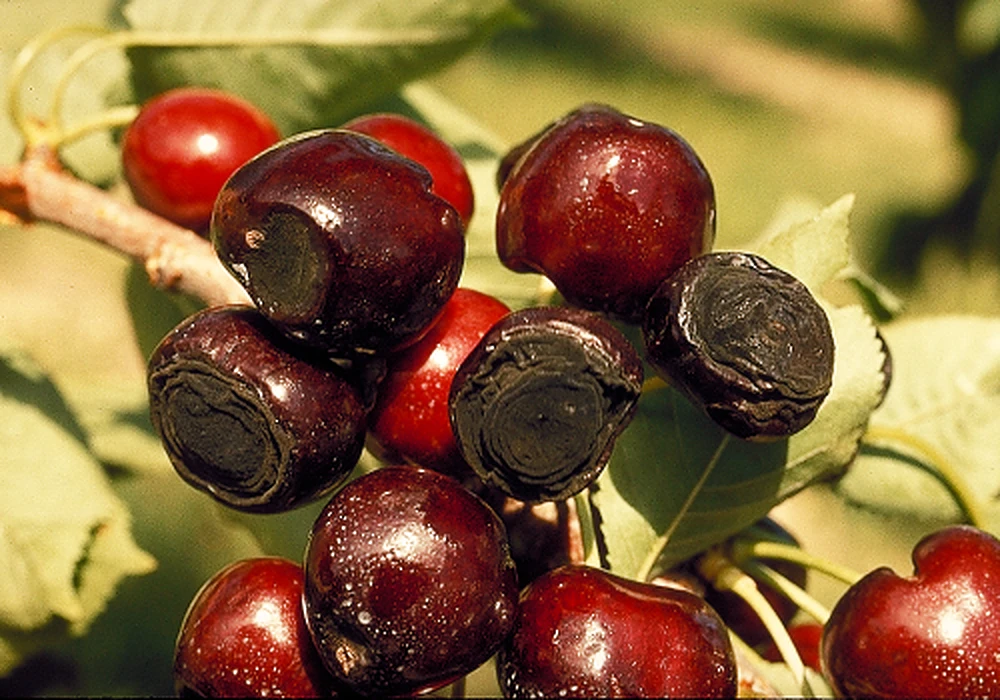
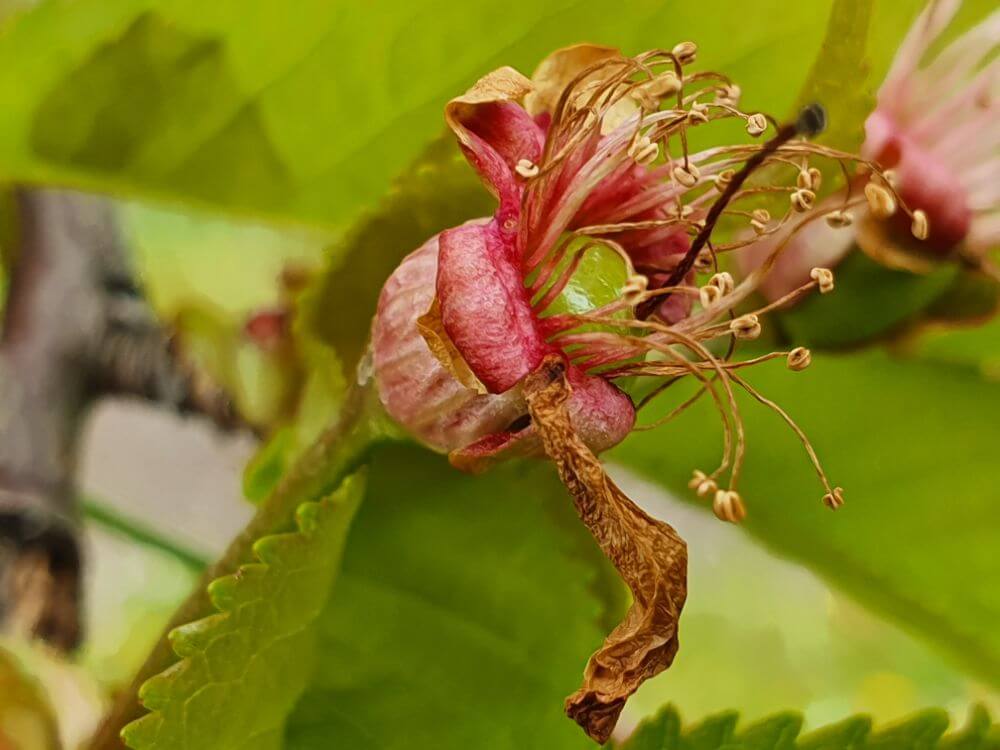
Fruit cracking is one of the major production constraints in sweet cherry cultivation, as it compromises fruit integrity, reduces storability, and causes substantial economic losses. This disorder is closely associated with excessive water uptake during rainfall events prior to harvest, leading to increased internal pressure and rupture of the fruit skin.
A recent study evaluated the effectiveness of pre-harvest foliar applications based on calcium chloride (CaCl2) combined with several natural biostimulants: glycine betaine, chitosan, silicon, thyme essential oil, and Ascophyllum nodosum extract, with the aim of reducing fruit cracking and improving the metabolomic profile of the sweet cherry cultivar '0900 Ziraat'.
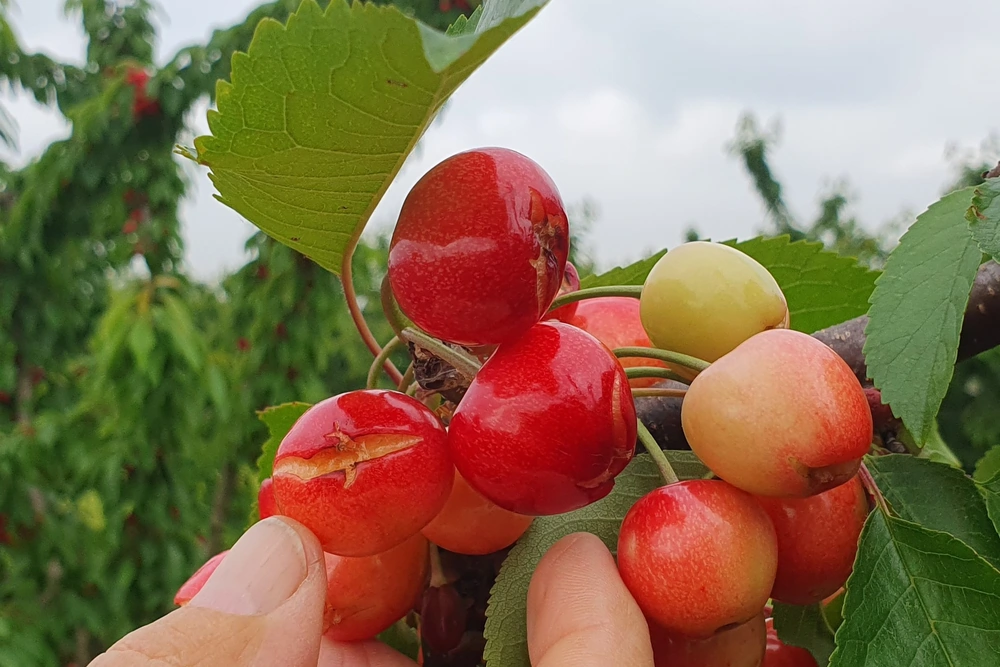
The results demonstrated a marked synergistic effect between calcium and several of the tested biostimulants. The combination of CaCl2 and glycine betaine proved to be the most effective treatment for controlling fruit cracking, reducing the cracking index from 12% in the untreated control to just 1.6%.
Excellent performance was also achieved with CaCl2 plus chitosan (2.4%), followed by CaCl2 combined with silicon (3.6%). Nevertheless, all treatments significantly reduced fruit cracking compared with untreated trees, confirming the role of calcium in strengthening cell walls and the cuticle, with its effectiveness further enhanced by the action of the accompanying biostimulants.
Synergy between calcium and biostimulants
Beyond their protective effect against fruit cracking, the treatments also altered fruit metabolism. In particular, chitosan promoted the accumulation of the main soluble sugars, including glucose and fructose, while also increasing the concentrations of malic acid, succinic acid, and vitamin C, thereby enhancing both the nutritional value and the sensory quality of the cherries.
The combination of calcium and glycine betaine, together with calcium and Ascophyllum nodosum, significantly enhanced antioxidant activity, whereas silicon stood out for its ability to increase anthocyanin and phenolic compound contents, thus contributing to the preservation of the fruit's biochemical quality.
Statistical analyses also revealed an inverse relationship between fruit cracking incidence and several metabolites associated with fruit quality. The negative correlations observed with vitamin C, glucose, fructose, and malic acid indicate that higher concentrations of these compounds are associated with greater resistance to fruit cracking.
Principal Component Analysis (PCA) further confirmed that treatments combining calcium with glycine betaine or chitosan were closely associated with a more favorable metabolomic profile and reduced susceptibility to cracking, suggesting that improvements in osmotic stability and fruit structural integrity represent key mechanisms underlying their protective effect.
Metabolism, resistance and applications
The researchers emphasize that foliar applications offer a particularly attractive alternative to soil treatments because they deliver active compounds directly to fruit tissues, are rapidly absorbed, and do not affect the soil microbiota.
The combined use of calcium chloride with either glycine betaine or chitosan therefore emerges as a sustainable, cost-effective, and easily adoptable pre-harvest management strategy for sweet cherry orchards, capable of simultaneously improving marketable yield, nutritional quality, and tolerance to environmental stresses.
However, further studies will be needed on different cultivars and under diverse climatic conditions to optimize application protocols and confirm the transferability of these findings across the major sweet cherry production regions.
Source: Polat, Y., Yasmin, S., İmrak, B., Gündeşli, M. A., Güney, M., Çömlekçioğlu, S., & Kafkas, N. E. (2026). Pre-Harvest Calcium and Biostimulant Applications Mitigate Fruit Cracking and Improve Metabolome in Sweet Cherry (Prunus avium L.). Applied Fruit Science, 68(1), 20. https://doi.org/10.1007/s10341-025-01736-6
Image source: Stefano Lugli
Andrea Giovannini
PhD in Agricultural, Environmental and Food Science and Technology - Arboriculture and Fruitculture, University of Bologna, IT
Cherry Times - All rights reserved