The Spanish offers dominated the scene. They played a particularly important role in Berlin. There, fruit larger than 32 mm cost about 8 euros per kg. In Hamburg and Cologne, their presence had significantly expanded, and for this reason, they were cheaper.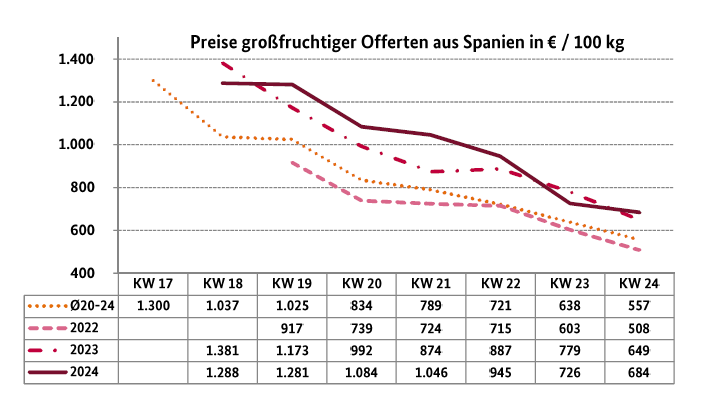 Image 1: prices of fruit offers from Spain in € / 100 kg.
In Frankfurt, their quality was not entirely convincing, which is why customers increasingly turned to Turkish imports. In Munich, they arrived in greater numbers, which is why prices slightly decreased, and they were appreciated by buyers despite the relatively high evaluations.
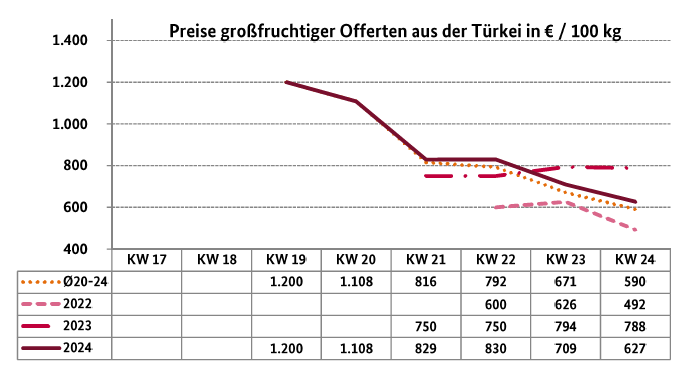 Image 2: prices of fruit offers from Turkey in € / 100 kg.
In Berlin, Napoleone and Sahili were largely tied to the retail trade of food. The Greek and Italian deliveries complemented the scene, but sometimes left something to be desired in terms of quality. The national lots were scarcely available and slightly more expensive. In general, availability was rather limited.
However, demand was generally met. Smaller products were often ignored by customers, while larger items were more sought after. Prices fluctuated often, but overall tended downward rather than upward.
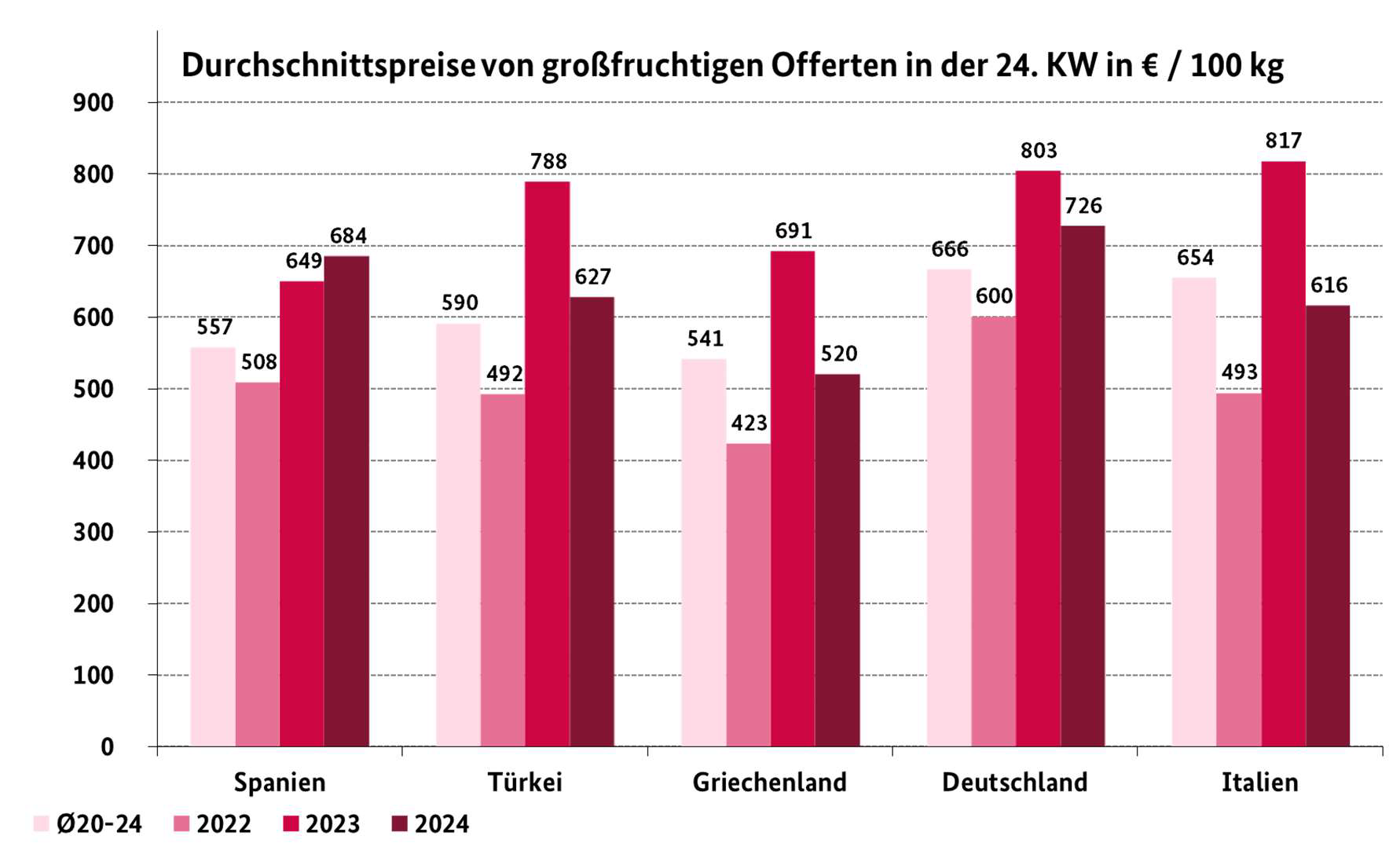 Image 3: Average prices of fruit offers in week 24 in € / 100 kg.
Source: Bundesanstalt fur Landwirtschaft und Ernahrung
Images: Bundesanstalt fur Landwirtschaft und Ernahrung
Cherry Times - All rights reserved