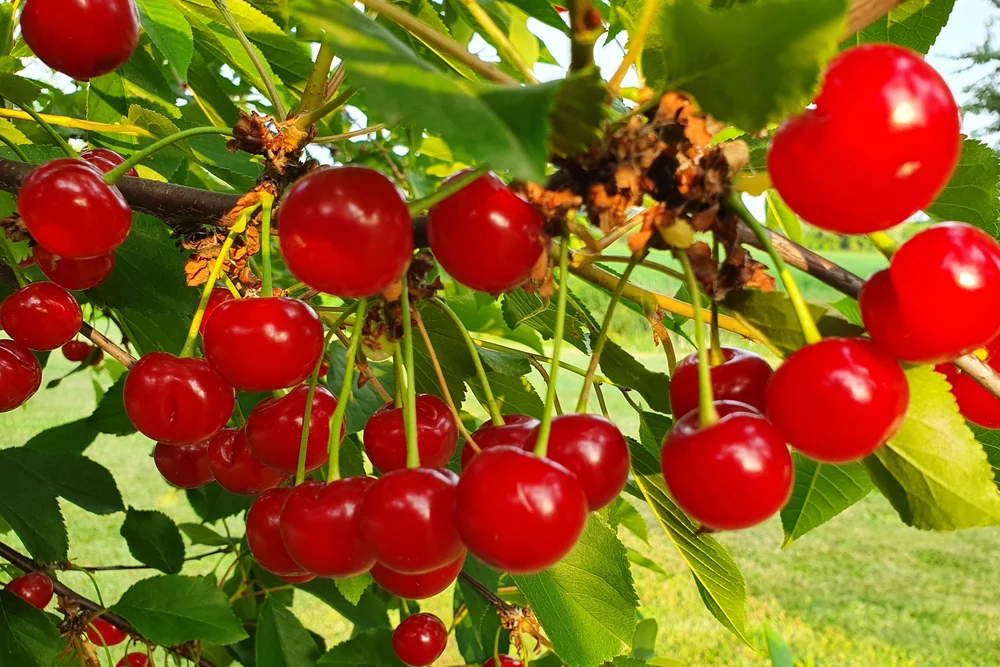
Sweet cherries are a perishable fruit, and their preservation is a challenge. A recent study from Romania evaluated the effectiveness of using Xtend modified atmosphere packaging in maintaining the quality of "Kordia" and "Regina" cherry varieties. The cherries were stored at -0.5°C for 42 days.
The results showed that using these packages can extend the storage period up to five weeks for "Kordia" and four weeks for "Regina," compared to only fifteen days for cherries stored in normal atmosphere. This translates into greater flexibility in marketing and a reduction in waste.
The effectiveness of Xtend technology is linked to its ability to regulate oxygen and carbon dioxide concentrations inside the packaging. During the storage period, an increase in CO2 levels and a decrease in O2 concentration were observed, resulting in a reduction in respiration.
This mechanism slows down the ripening process and reduces the proliferation of pathogens and physiological disorders. After six weeks, the carbon dioxide concentration in Xtend packaging reached 12.2% for "Kordia" and 12.6% for "Regina," compared to an almost unchanged concentration in normal atmosphere.
At the same time, oxygen levels significantly decreased, stabilizing around 3.9% in "Kordia" and 4.3% in "Regina," versus 20.5% under standard conditions.
 Image 1: Correlation analysis between fruit mass loss and oxygen concentration in storage medium at six weeks storage of cherries of Kordia and Regina varieties. Source: Lozan Andrei, 2024.
A key factor in sweet cherry preservation is weight loss, which is directly related to transpiration and respiration. Data collected showed that cherries stored in a modified atmosphere experienced up to four times less weight loss compared to those in a normal atmosphere.
After six weeks, the average weight loss in modified atmosphere packaging was 4.56% for "Kordia" and 5.18% for "Regina," compared to an average value of 18% for fruit stored in normal atmosphere. Reducing weight loss helps maintain sweet cherry freshness, which is essential for commercialization.
The firmness of the pulp was positively influenced by the use of Xtend packaging. The initial firmness of "Kordia" cherries was 0.61 kg/cm², while for "Regina" it was 0.59 kg/cm².
After six weeks of storage, the fruits in modified atmosphere retained a 21.4% higher firmness for "Kordia" and 50% for "Regina" compared to those stored under normal conditions. This is crucial for market acceptance, as cherries with soft pulp lose their commercial value.
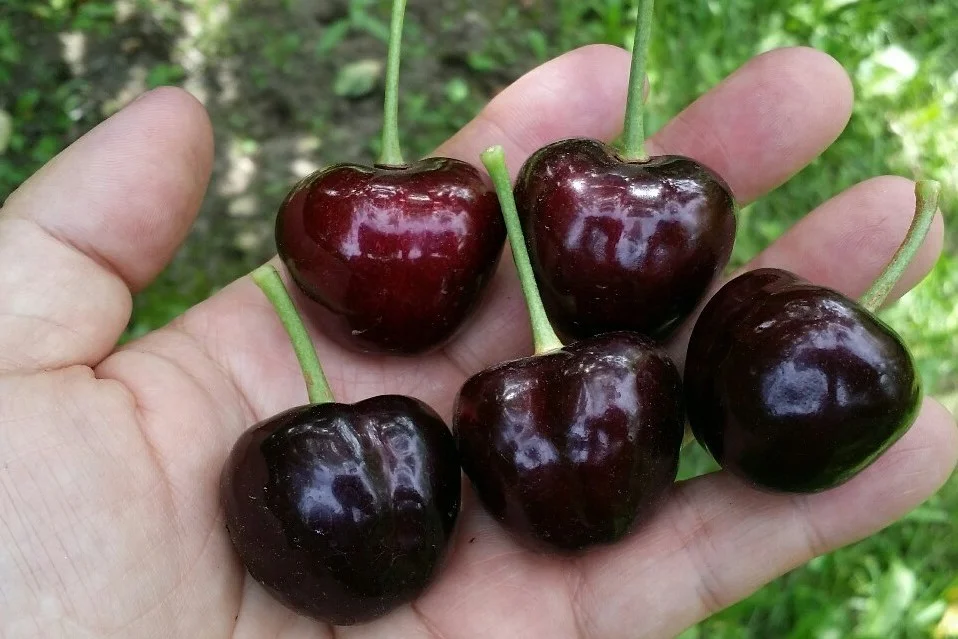
 Image 2: Kordia.
Finally, the evaluation of titratable acidity showed a more contained decline in fruits stored in controlled atmosphere. After six weeks, acidity levels in "Kordia" and "Regina" cherries were double compared to those stored under standard conditions, maintaining a more balanced taste.
The study’s conclusions highlight the advantages of using modified atmosphere packaging (Xtend type) as a technology to extend the shelf-life of sweet cherries, reduce weight loss, and preserve the fruits’ organoleptic and structural quality.
To achieve the best results, the author recommends maintaining a storage temperature of -0.5°C and a relative humidity of 85-90%. This approach represents an opportunity for the sweet cherry supply chain, allowing better fruit quality and reducing waste.
Source: Lozan, A. (2024). Influența utilizării ambalajelor cu atmosferă modificată de tip xtend asupra calității fructelor de cireș din soiurile kordia și regina la păstrare. In Genetica, fiziologia şi ameliorarea plantelor (pp. 603-607). https://doi.org/10.53040/gppb8.2024.109.
Images: SL Fruit Service; Lozan Andrei
Andrea Giovannini
University of Bologna (IT)
Cherry Times - All rights reserved