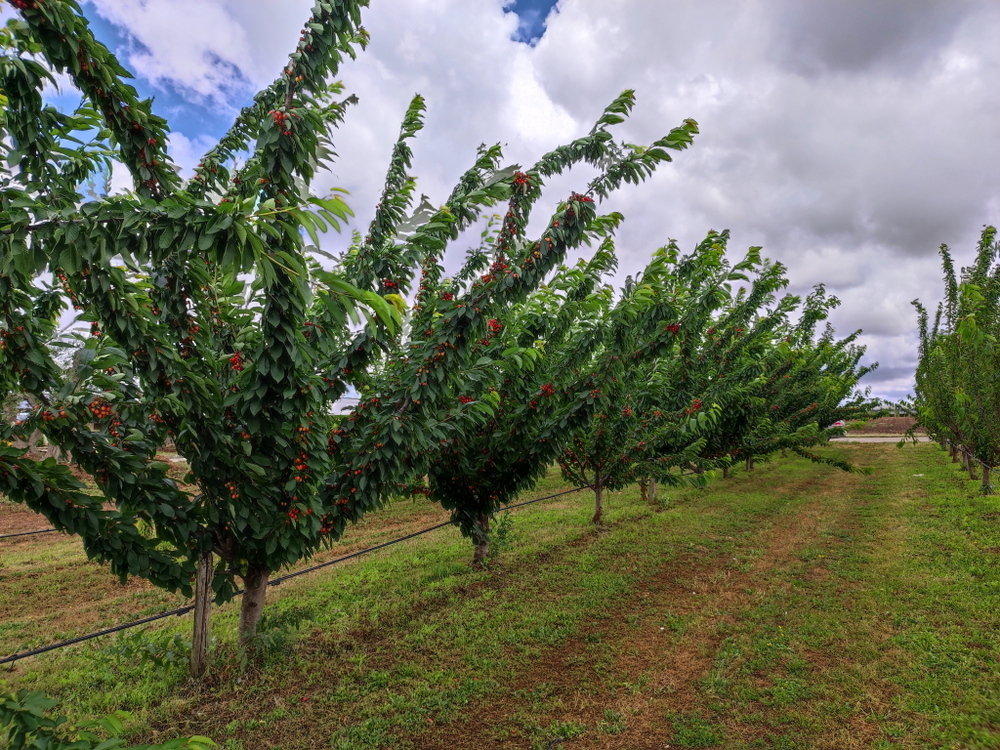
It is well established that proper nutritional management in sweet cherry cultivation is essential for achieving high yields and superior fruit quality. In addition to well-established agronomic practices, such as crop load regulation through winter and summer pruning, fruit thinning, irrigation and nutrient management, and root system interventions, the choice of the cultivar–rootstock combination also plays a strategic role and should be carefully considered when developing fertilization programs.
Numerous studies have demonstrated that rootstocks can influence not only fruit yield and quality but also the nutritional status of the tree by inducing significant changes in the concentration of mineral elements in the leaves.
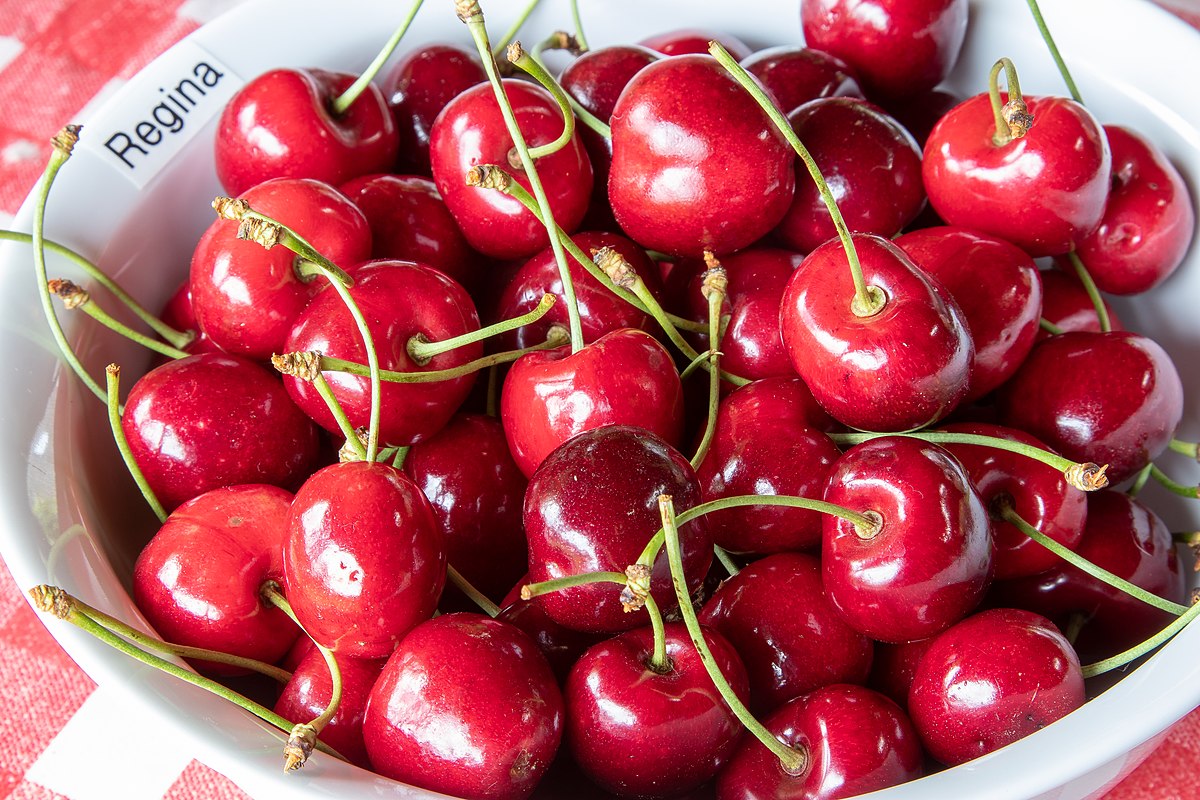
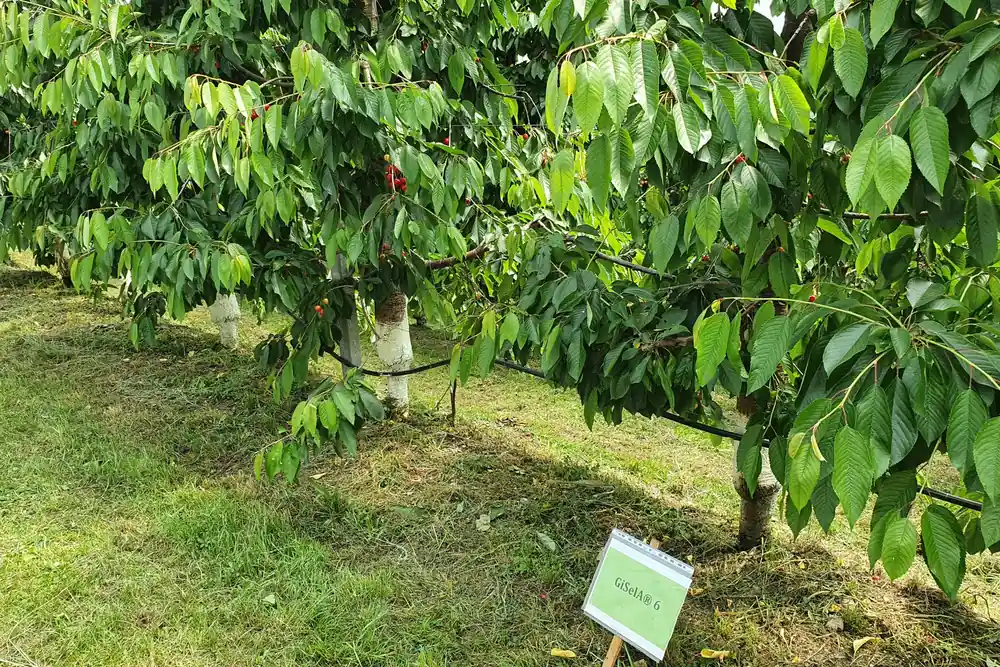
Within this context, a study was conducted in commercial sweet cherry (Prunus avium L.) orchards. The experiment evaluated the cultivars 'Sweet Aryana', 'Santina', and 'Regina', grafted onto three different rootstocks: seedling sour cherry (Prunus cerasus L.), 'Gisela 6' (Prunus cerasus × Prunus canescens), and 'Maxma 14' (Prunus mahaleb × Prunus avium).
Evaluation of fruit quality parameters
The study was conducted in a commercial orchard located in south-central Chile and assessed the main fruit quality attributes, including fruit weight, size, and firmness, as well as the mineral composition of the leaves.
The results showed that the fruit quality characteristics of 'Sweet Aryana' and 'Santina' were not significantly affected by the rootstock. In contrast, 'Regina' grafted onto 'Maxma 14' produced fruits with an average weight 13.8% greater than those obtained with the other rootstocks.
When comparing cultivars grown on the same rootstock, no significant differences in fruit quality were observed on 'Gisela 6', whereas on 'Maxma 14', 'Regina' produced fruits that were 14.8% heavier than those of 'Santina'.
The influence of the rootstock was considerably more pronounced on the nutritional status of the trees. 'Sweet Aryana' grafted onto 'Gisela 6' exhibited higher leaf concentrations of nitrogen (2.7%), phosphorus (0.27%), sulfur (0.13%), and copper (9.5 mg kg⁻¹) than trees grafted onto the seedling rootstock.
Differences in mineral composition
In 'Santina', the seedling rootstock promoted the highest concentrations of potassium (3.33%) and boron (70 mg kg⁻¹), whereas 'Gisela 6' resulted in higher phosphorus (0.31%) and copper (10.5 mg kg⁻¹) concentrations. Conversely, 'Maxma 14' induced the highest zinc concentration (19.1 mg kg⁻¹).
In 'Regina', the greatest copper concentration (9.7 mg kg⁻¹) was observed with 'Maxma 14', while 'Gisela 6' promoted the highest manganese concentration (41.4 mg kg⁻¹). The most pronounced nutritional differences were found between 'Santina' and 'Regina' when both cultivars were grafted onto 'Gisela 6'.
Overall, the study demonstrates that different rootstocks have a relatively limited effect on the main fruit quality traits but substantially influence the nutritional balance of the tree. Similarly, cultivar selection, when grafted onto the same rootstock, primarily affects the leaf concentration of specific mineral nutrients rather than fruit quality characteristics.
Implications for fertilization
These findings highlight the importance of considering the specific cultivar–rootstock combination when assessing plant nutritional status and designing tailored fertilization programs. Such an approach can improve nutrient uptake efficiency, enhance the sustainability of orchard management, and ensure consistently high productivity and fruit quality in modern sweet cherry production systems.
Source: oes.chileanjar.cl/files/CJAR250370-86-3-2026.pdf
Image source: Stefano Lugli
Melissa Venturi
Ph.D. in Agricultural, Environmental, and Food Sciences and Technologies – Fruit Tree Physiology and Cultivation - Bologna, Italy
Cherry Times – All rights reserved