While the first European immigrants in Door County survived thanks to subsistence farming in the early years, attempts to grow commercial crops proved difficult, largely due to the area’s rocky landscape.
Despite the limited success of traditional crops, Door County residents continued searching for a crop that could grow in shallow, rocky soils.
The answer would arrive in the 1860s, with the unexpected success of orchards.
The answer would arrive
A Swiss immigrant named Joseph Zettel, who settled in Door County in 1855, discovered that apple trees thrived in the area.
The temperate climate of Door County and the low likelihood of late frosts, thanks to the lake effect of Green Bay and Lake Michigan, favored abundant apple harvests.
In addition, the shallow soil depth, just a few meters above bedrock, provided ideal drainage, reducing the risk of root rot.
By the 1890s, Zettel had planted forty-five acres (18 ha) of apple trees, and his farm produced 3,000 bushels (60 t) of apples per year.
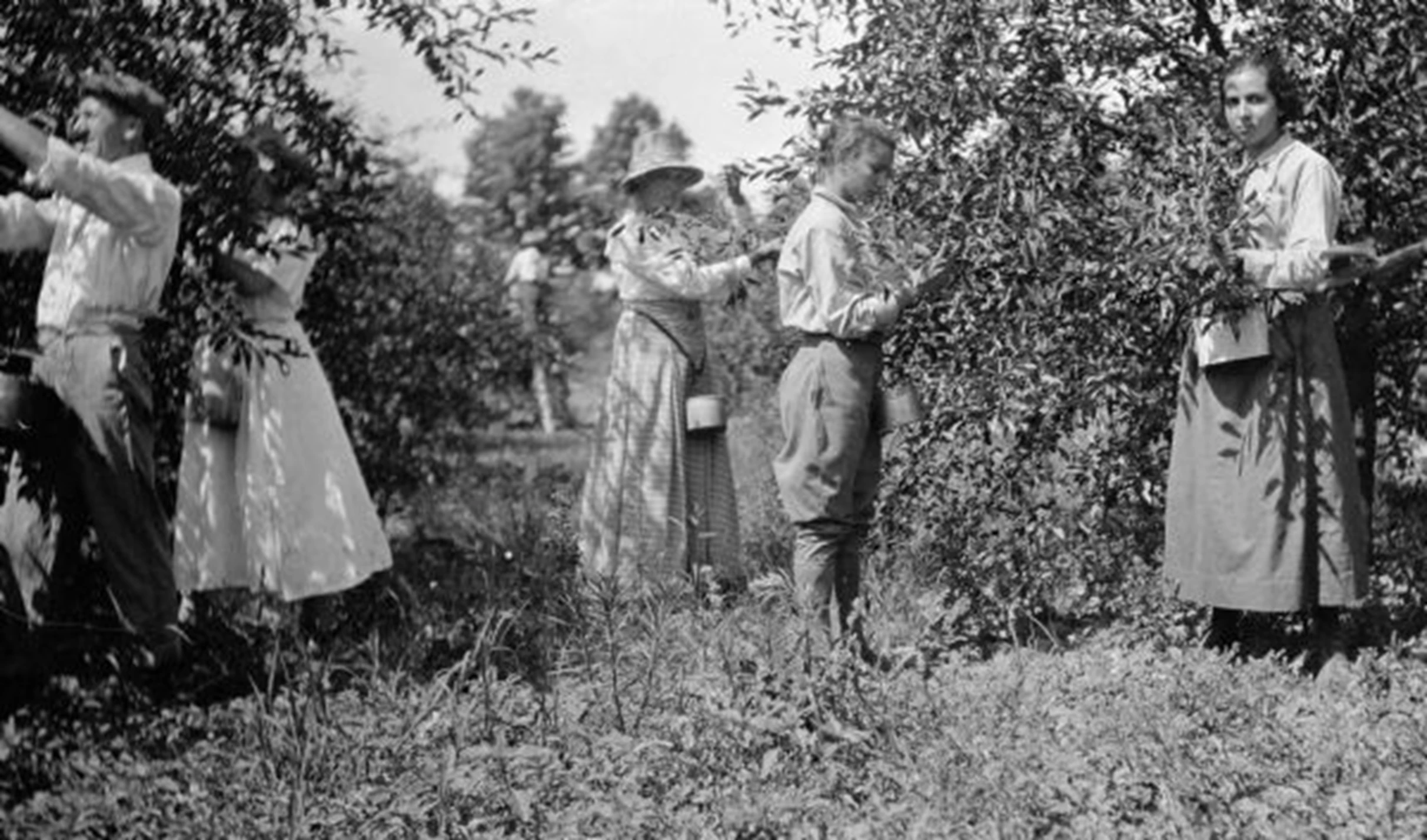 Image 1. Clothilde Hotz (center) and her two daughters (right) harvest cherries in a cherry orchard in Gibraltar. Photograph taken by Ferdinand Hotz in 1919, courtesy of the Wisconsin Historical Society (Image no. 93442).
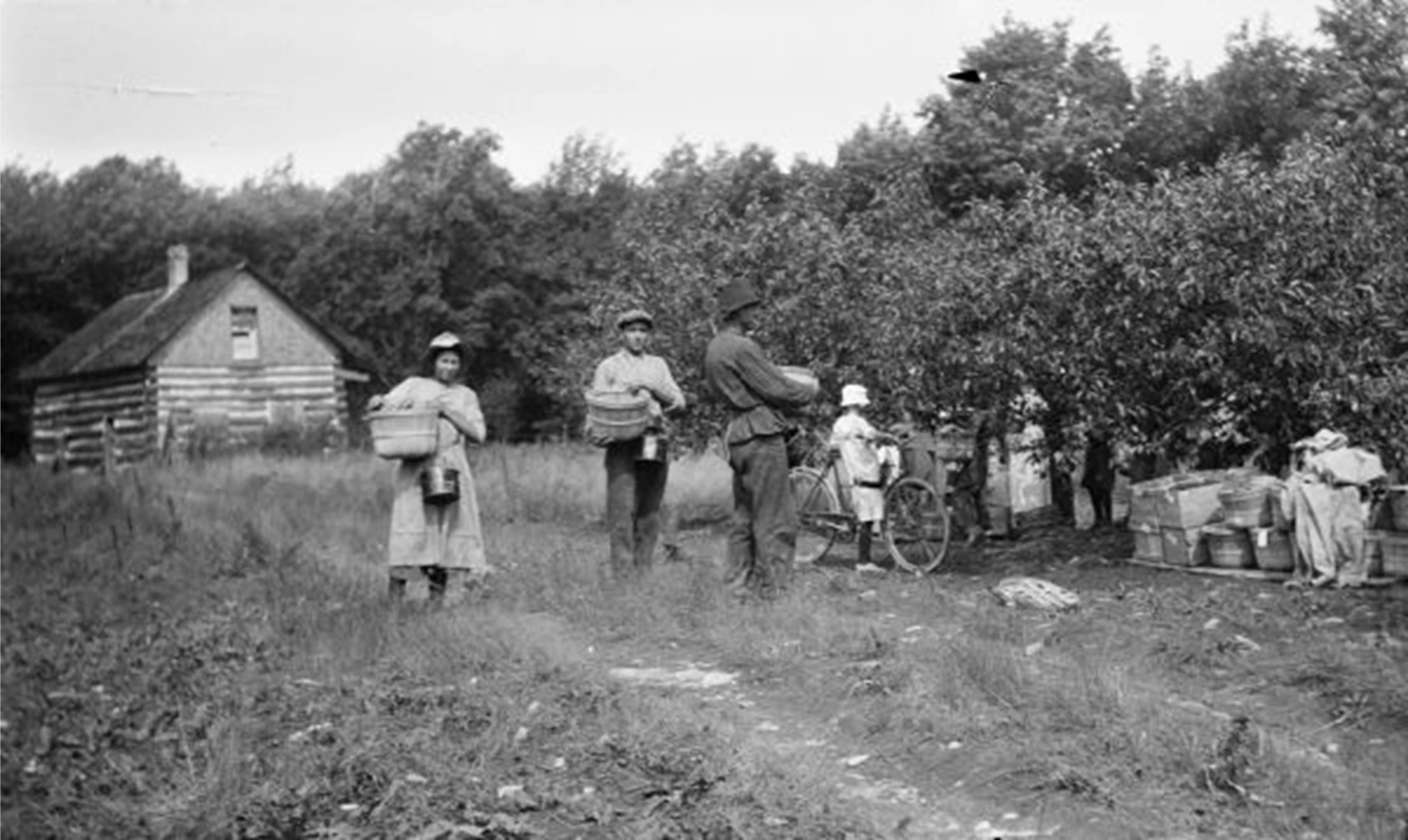 Image 2. Photograph taken by Ferdinand Hotz in 1919, courtesy of the Wisconsin State Historical Society (Img #93438).
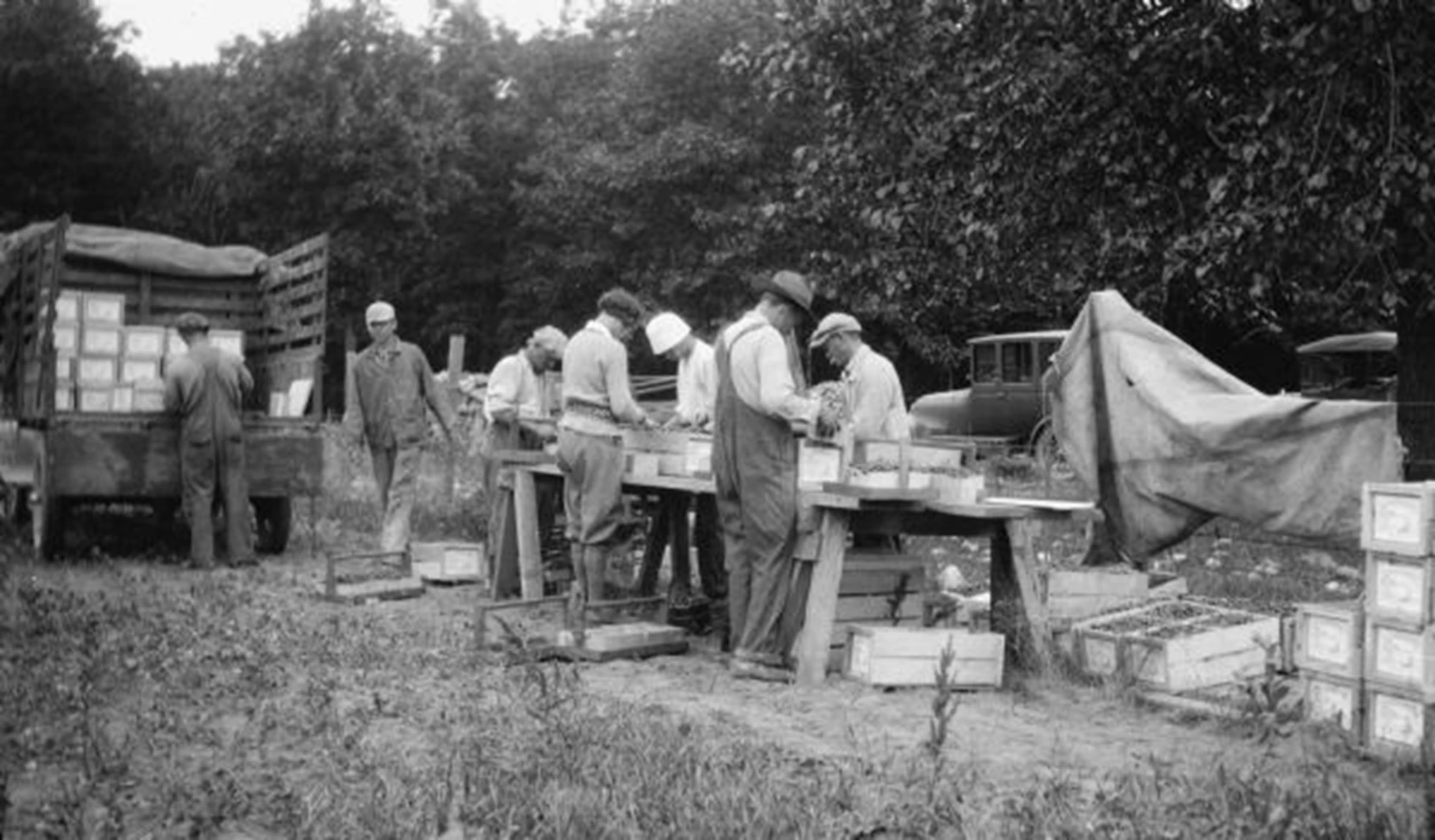 Image 3. Packing cherries into wooden crates for truck transport. Photograph by Ferdinand Hotz, 1924, courtesy of the Wisconsin Historical Society (Img #93324).
The success of Zettel
Zettel’s success attracted the attention of AL Hatch, a fruit grower from southern Wisconsin, and ES Goff, professor of horticulture at the University of Wisconsin. In 1891, the two purchased eighty acres (32 ha) of land and began experimenting with different types of fruit, including plums, strawberries, raspberries, and cherries.
The latter crop proved particularly well suited to cultivation in Door County. Following the success of Hatch and Goff, local growers began planting small cherry orchards in the 1890s.
The rocky soil, while favorable for tree growth, made planting challenging, and dynamite was often used to break up the ground.
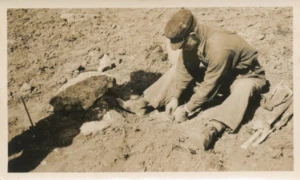 Image 4. John Fridlund prepares dynamite for planting new cherry trees in the Fardig orchard in Ephraim, Wisconsin, around 1930. Photo courtesy of the Ephraim Historical Foundation.
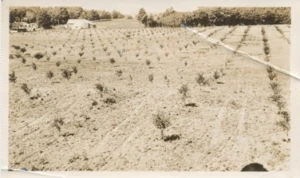 Image 5. Newly planted trees in the Fardig orchard in Ephraim, Wisconsin, around 1930. Photo courtesy of the Ephraim Historical Foundation.
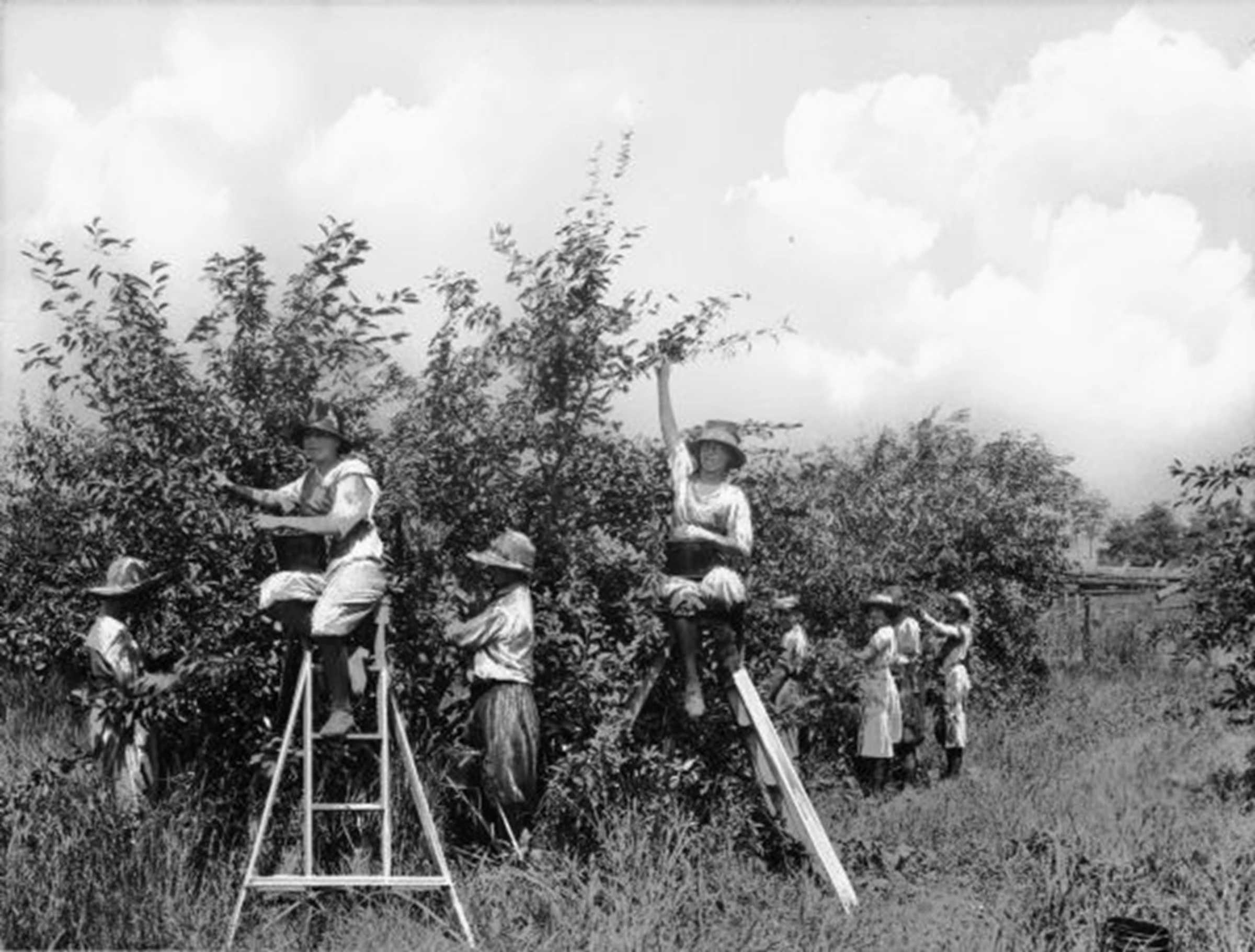 Image 5. A cherry picker’s tools included small buckets with straps tied around the waist, larger buckets and crates to empty personal buckets into, sun hats, and tripod orchard ladders. Photograph from the Wisconsin State Historical Society (Img #77919).
Despite the challenges, the success of cherry orchards led to the planting of thousands of new trees each year, and by 1910, the Door County cherry industry received national attention. While early orchards sold cherries at roadside stands or offered visitors the opportunity to “pick your own”, the popularity of Door County cherries continued to grow.
The peak of the cherry industry in Door County was reached in the 1950s, with 700 growers producing up to 50 million pounds (22,700 t) of cherries annually.
Although early growers experimented with various cherry varieties, they achieved the greatest success with the Montmorency sour cherry. Today, Montmorency cherries grown in Door County account for 95% of all sour cherries grown in Wisconsin, and although demand has declined since the 1950s, approximately 7 million pounds (about 3,200 t) of tart cherries are still produced each year.
Emely Irwin
Outreach Director and Curator at the Ephraim Historical Foundation in Door County
Text and image source: Wisconsin 101
Cherry Times - All rights reserved