25 September 2026
Jesus Alonso, El mundo de las cereza
 Source: Stefano Lugli
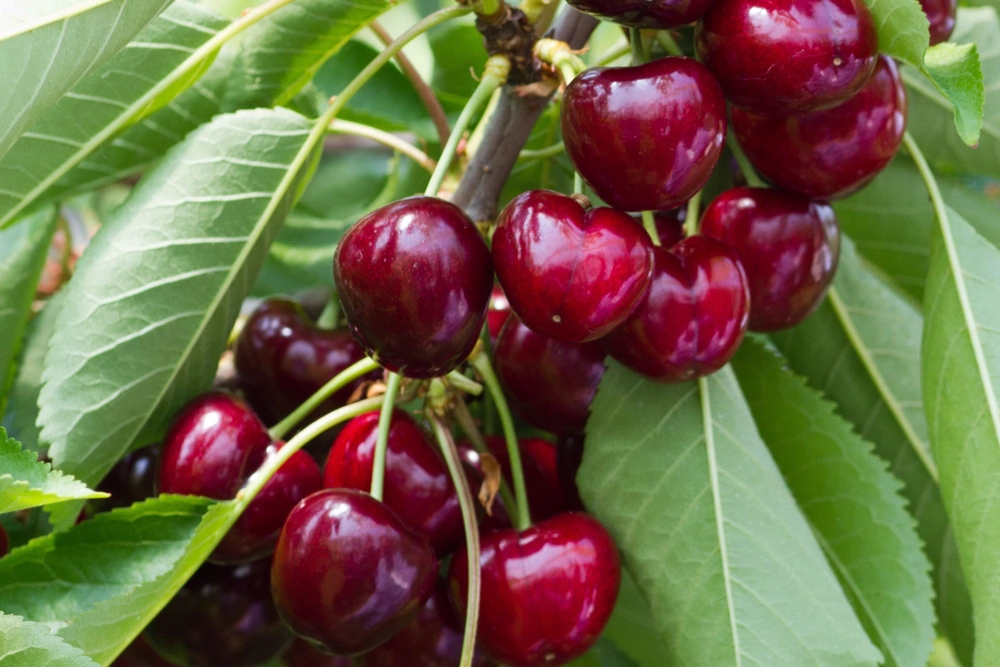
Cherry quality begins to take shape well before harvest. Final fruit size, firmness, soluble solids concentration, acidity, colour and the ability to maintain these characteristics during storage depend on physiological processes occurring simultaneously within the tree.
Mineral nutrition is part of this system, as it connects nutrient availability in the soil and water with root uptake, reserves accumulated in perennial organs, their redistribution among different tissues and the changing demands of leaves, shoots and fruit.
In a perennial, grafted crop such as sweet cherry, mineral status cannot be separated from the rootstock, cultivar, crop load, water availability, soil or phenology. The same leaf concentration may have different meanings when any of these factors changes. Likewise, a concentration compatible with adequate growth does not, by itself, guarantee that fruit size, firmness or postharvest storage potential will reach their best expression.
It is therefore useful to distinguish between three levels that are often confused: nutrient availability, tree nutritional status and fruit response. The three aspects are interconnected, but they represent different phenomena.
Leaf analysis provides a framework for assessing tree status
Leaf analysis is one of the most useful tools for assessing the mineral status of sweet cherry trees. Its interpretation requires comparing the sample with a reference range compatible with the tissue analysed and the timing of sampling.
This aspect is particularly important because different reference systems exist and their ranges are not identical. Washington State University (WSU), Chile’s Instituto de Investigaciones Agropecuarias (INIA) and several Spanish sources use their own ranges, defined or adopted for different protocols and conditions. The overlap may be considerable, but the extreme values vary enough to alter the classification of the same sample.
[...]
Want to know more? The full article is reserved for subscribers to the Cherry Times newsletter! Sign up for free to receive each new exclusive in-depth article directly in your inbox and stay up-to-date with quality advice and analysis. Don't miss this unique opportunity!
Sign up for free to the Cherry Times newsletter
Cherry Times - All rights reserved