There is growing interest in foods rich in bioactive compounds that can provide benefits to human health, particularly in a context in which chronic metabolic disorders—such as obesity, diabetes, and cardiovascular diseases—are increasingly linked to modern diets.
Red fruits, including cherries, are well known for their high content of anthocyanins and phenolic compounds, powerful antioxidants associated with anti-inflammatory, antioxidant, and health-protective effects.
Building on these premises, researchers from Miguel Hernández University of Alicante (Spain) investigated an innovative strategy to enhance the functional quality of sweet cherries (cv. ‘Sunburst’) through the combined application of melatonin before and after harvest, followed by cold storage at 2 °C (35.6 °F) for 21 days.
Enhancing cherry quality
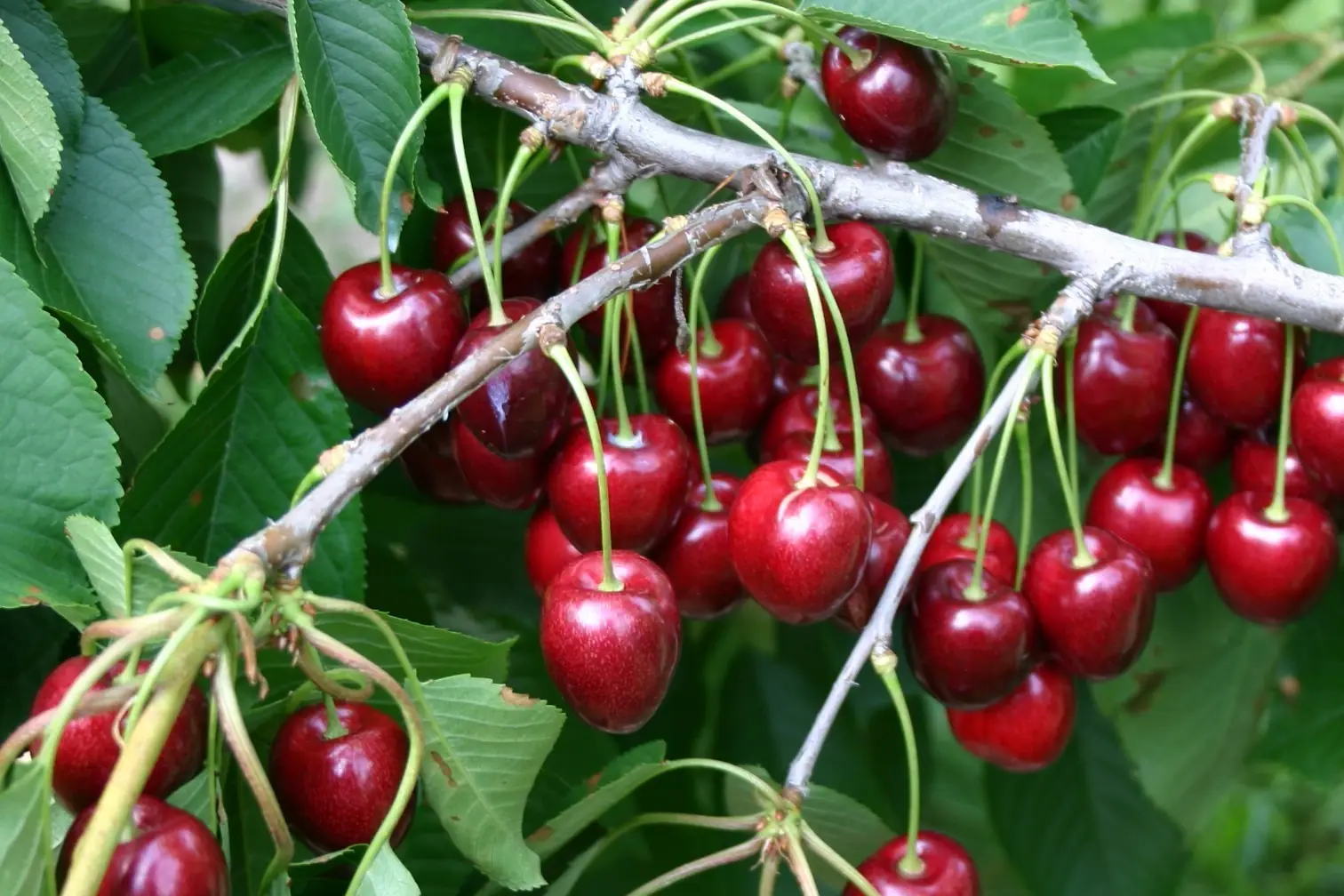
‘Sunburst’ cherries are particularly valued for their large size, intense red color, and rich phenolic profile, making them an interesting model for testing quality-enhancement techniques.
However, the concentration and activity of these bioactive compounds depend on several factors, including cultivar, agronomic practices, and postharvest handling.
Previous studies had already shown that melatonin application can stimulate the accumulation of phenolic compounds and improve plant stress tolerance, but the effects of a double application (pre- and postharvest) combined with cold stress had not yet been explored.
In the experimental design, some cherry trees were treated with melatonin solutions during fruit development, and the harvested fruits were subsequently immersed in melatonin solutions before cold storage.
Experimental approach and outcomes
The aim was to determine whether this combined approach could increase endogenous melatonin levels in the fruit and stimulate polyphenol accumulation without compromising the normal ripening process.
The key results show that a single melatonin application (either pre- or postharvest) increases internal melatonin levels in cherries—likely through direct absorption and the activation of genes involved in its biosynthesis—but also tends to delay ripening, leading to reduced levels of anthocyanins, hydroxycinnamates, and flavonols.
In contrast, the combination of pre- and postharvest treatments produces a much stronger synergistic effect: endogenous melatonin levels increase up to fivefold compared with harvest time, and all major phenolic compounds measured increase, including a 29% rise in total anthocyanins.
Molecular mechanisms and implications
These findings suggest that combining the two treatment phases not only stimulates phenolic biosynthetic pathways but also overcomes the ripening delay observed with single treatments.
At the molecular level, these effects are likely linked to the activation of the phenylpropanoid pathway, a series of biochemical reactions responsible for the production of anthocyanins and other phenolic compounds with strong antioxidant activity.
The authors highlight the importance of these results, as they point to a practical approach for enhancing the nutritional quality of fruit without negatively affecting its sensory attributes.
Finally, the study acknowledges certain limitations and outlines future research directions, emphasizing the need to further investigate the genetic and transcriptomic effects of melatonin—namely, how cherry genes respond to these treatments—and to assess whether the increased levels of bioactive compounds translate into measurable benefits for human health after consumption.
Source: Garrido-Auñón, F.; García-Pastor, M.E.; Serrano, M.; Valero, D.; Agulló, V. Combined Pre- and Postharvest Melatonin Treatments Improve the Functional Quality of the Sweet Cherry cv. ‘Sunburst’. Foods 2025, 14, 3337. https://doi.org/10.3390/foods14193337
Image source: SL Fruit Service
Melissa Venturi
University of Bologna (IT)
Cherry Times - All rights reserved