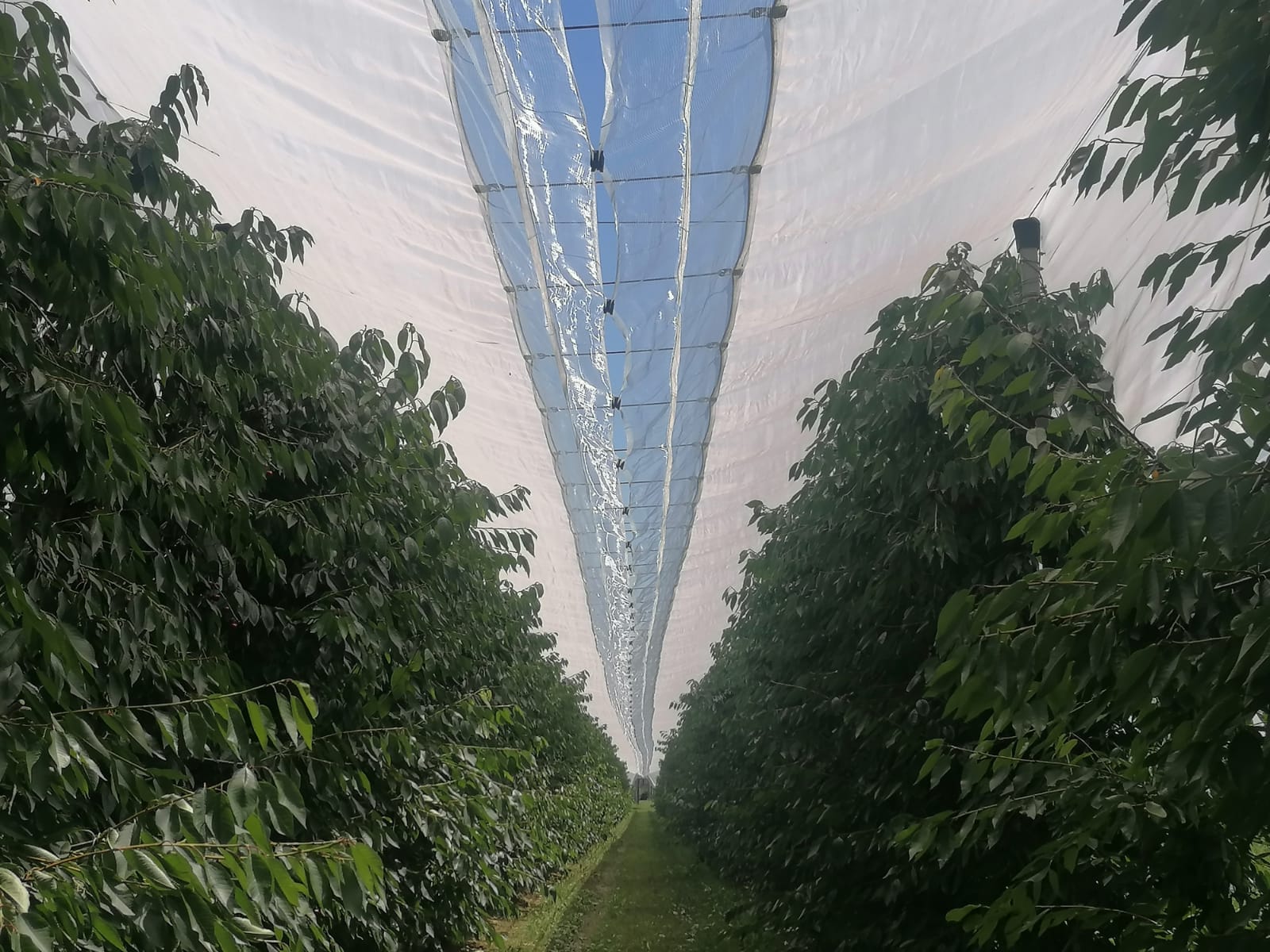
Sweet cherries are non-climacteric fruits characterized by a moderate respiration rate and low ethylene production.
Nevertheless, they are highly perishable due to the rapid dehydration of the pedicel and the fruit, followed by losses in firmness and the development of decay.
In general, to delay deterioration, cherries are stored at temperatures between −1 and 0 °C with relative humidity above 95%.
In particular, the cultivar “Regina”, appreciated for its resistance to mechanical damage and good handling performance, shows significant limitations in long-term storage beyond 30 days, mainly due to the occurrence of internal browning, loss of firmness, and overall deterioration.
Optimizing storage conditions
In a commercial context in which exports to distant markets, such as Asia, require sea transport times of up to 40 days, optimizing storage conditions represents a strategic priority.
A recent study from Chile evaluated the effectiveness of different controlled atmosphere (CA) and modified atmosphere (MA) combinations, with moderate to high CO2 concentrations (10-15%) and moderate O2 levels (5-10%), on the quality of “Regina” cherries harvested at two maturity stages (external color “Light Mahogany” and “Dark Mahogany”), during 30 and 40 days of storage at 0 °C followed by a simulated marketing period.
The results showed that atmospheres with 10-15% CO2 and 10% O2 significantly reduced the incidence of decay and internal browning compared to traditional MA (approximately 4-5% CO2 and 16-17% O2), with reductions of up to 36% in the Browning Index (BI) after 40 days.
This effect is attributed to reduced respiratory activity and lower oxidative stress, which inhibit the action of polyphenol oxidases responsible for the oxidation of phenolic compounds.
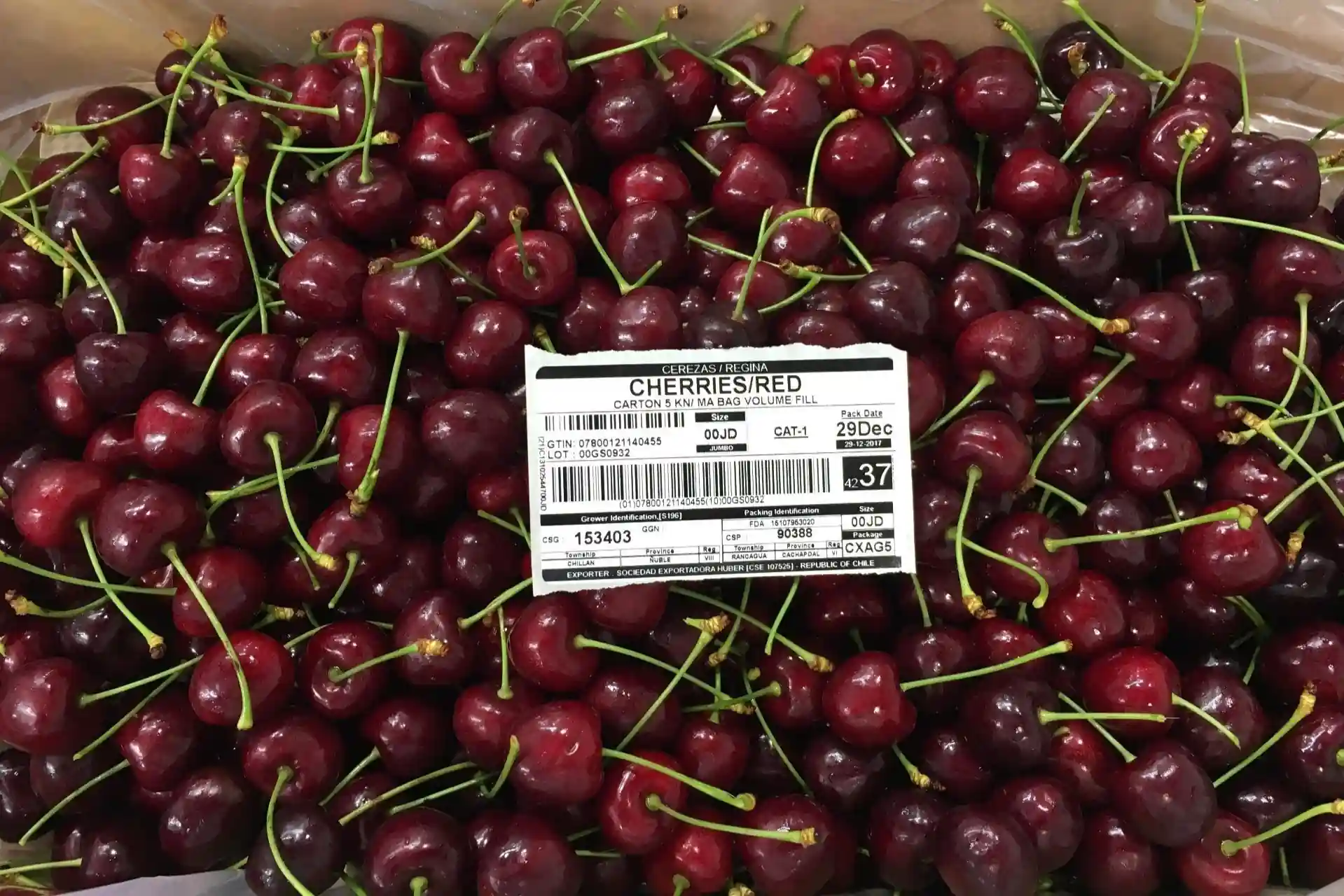
Preservation of quality parameters
At the same time, these CA conditions preserved important quality parameters such as lightness, total soluble solids, titratable acidity, and the content of bioactive compounds, including anthocyanins, total polyphenols, and antioxidant capacity (DPPH and FRAP), with increases of up to 120% compared to MA in some treatments.
From a physiological perspective, cherries harvested at the “Light Mahogany” color stage showed greater stability during storage, with lower susceptibility to internal browning and better firmness retention than more mature fruits (“Dark Mahogany”), confirming that lower initial metabolic activity slows down senescence processes.
Firmness was also better preserved under CA, particularly with the 10+10 and 15+10 combinations, whereas MA led to greater dehydration and faster structural deterioration.
Changes in internal and external color indicated that CO2-rich atmospheres helped slow browning and stabilize anthocyanin pigments, maintaining higher lightness and chroma values after 40 days.
Sensory and practical implications
From a sensory standpoint, the preservation of acidity and the TSS/TA ratio under CA suggests a better flavor balance compared to MA, where the loss of organic acids was more pronounced.
In conclusion, the adoption of controlled atmospheres (CA) with 10-15% CO2 and 10% O2, combined with harvesting at the “Light Mahogany” maturity stage, represents an effective strategy to extend the shelf life of “Regina” cherries up to 40 days, plus the marketing period, while maintaining the physical, chemical, and nutritional characteristics required by export markets.
These results provide useful practical guidance for the cherry industry to optimize transport conditions and preserve final fruit quality even over long distances.
Source: Neira-Ojeda, R., Rodriguez, S., Hernández-Adasme, C., Muñoz, V., Delgadillo, D., Sun, B., Yang, X., & Escalona, V. H. (2025). Gas Atmosphere Innovation Applied to Prolong the Shelf Life of ‘Regina’ Sweet Cherries. Plants, 14(15), 2440. https://doi.org/10.3390/plants14152440
Image source: Frutber
Andrea Giovannini
PhD in Agricultural, Environmental and Food Science and Technology - Arboriculture and Fruitculture, University of Bologna, IT
Cherry Times - All rights reserved