Selenium is an essential trace element for both humans and animals, as it plays a fundamental role in antioxidant defense mechanisms, immune function, and overall metabolism.
However, selenium deficiency remains a widespread nutritional problem, particularly in regions where soils are naturally low in this element.
In China, more than two thirds of agricultural land is considered selenium deficient, with long-term consequences for food quality and human health.
This issue is especially pronounced in the cold regions of northeastern China, where the limited availability of selenium in the soil reduces its accumulation in crops.
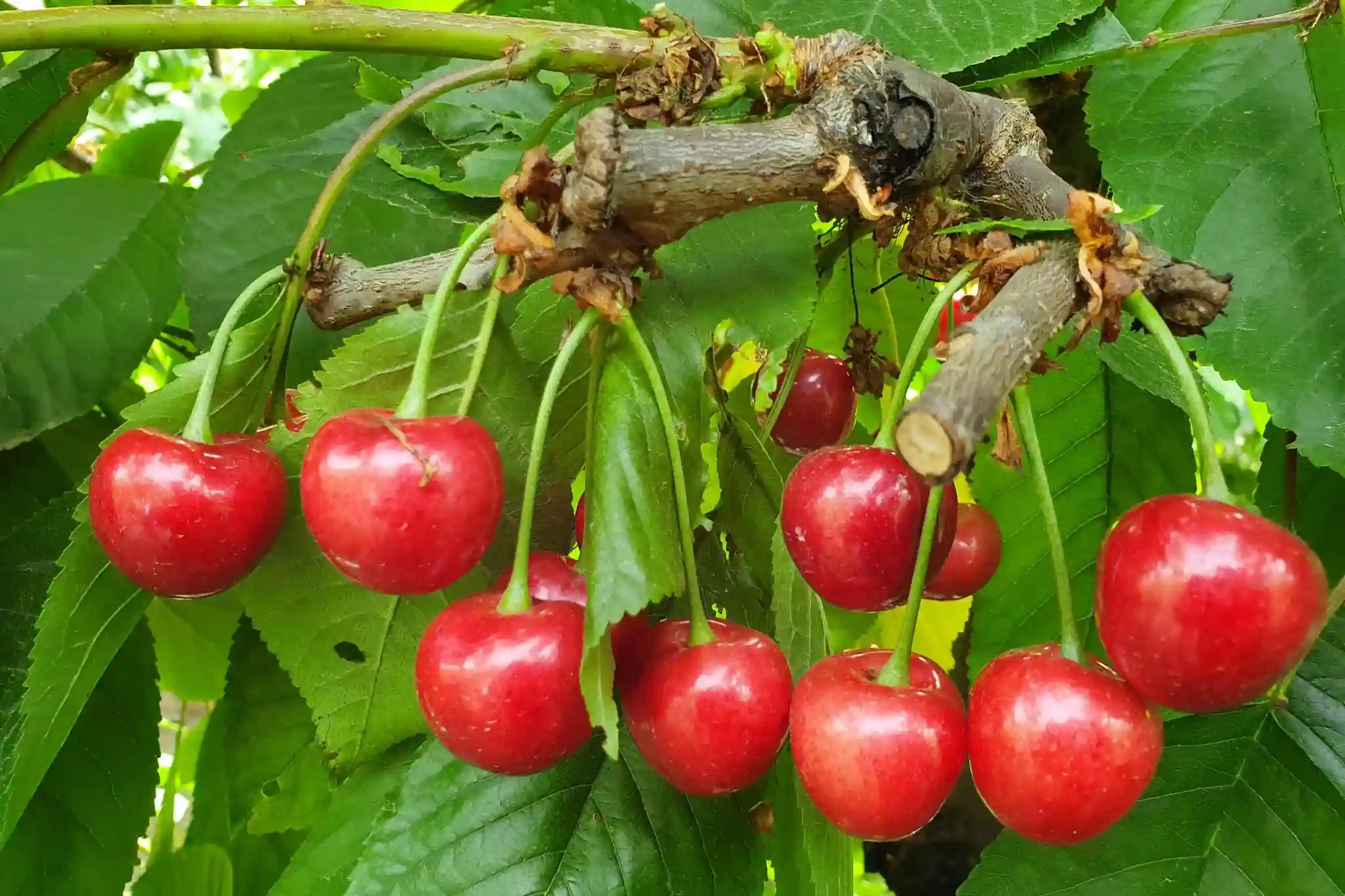
Selenium biofortification in cherry
A study conducted at Liaoning University (China) focused on selenium biofortification of sweet cherry, specifically the cultivar “Mei Zao.”
The aim of the research was to identify an effective and safe method to increase selenium content in cherries while simultaneously improving fruit quality, antioxidant capacity, and nutritional value.
In addition, the study sought to provide practical guidance for selenium fertilization that could support regional agricultural sustainability and improve the long-term storage potential of the fruit.
The effects of foliar selenium fertilization were systematically evaluated by assessing selenium accumulation in leaves and fruits, photosynthetic activity, fruit growth, nutritional composition, and antioxidant enzyme activity.
Positive effects on physiology
This integrated approach allowed for a comprehensive evaluation of the influence of exogenous selenium on plant physiology and fruit quality.
The results demonstrated that “Mei Zao” cherries possess a strong capacity to absorb and accumulate selenium when applied at appropriate concentrations.
Selenium content in treated fruits was 9.3 to 26.9 times higher than in untreated controls, confirming the effectiveness of foliar application for biofortification.
Selenium enrichment also led to significant physiological benefits: the activity of key antioxidant enzymes, such as superoxide dismutase (SOD) and catalase (CAT), increased, while malondialdehyde (MDA) content—an indicator of oxidative stress and lipid peroxidation—was markedly reduced.
Nutritional and safety benefits
These changes indicate an enhancement of the fruit’s antioxidant defense system.
Beyond antioxidant effects, selenium treatment improved several nutritional parameters of the cherries, including polysaccharide content, biomass, soluble solids, vitamin C, and various essential mineral elements such as magnesium and zinc.
Overall, these improvements contributed to increased nutritional value and overall fruit quality.
Importantly, the estimated daily selenium intake derived from consumption of selenium-enriched cherries produced in this study (4.98–43 μg/day) fell within national safety limits and remained below the recommended maximum threshold of 50 μg/day.
Conclusions and recommendations
This highlights the safety and feasibility of using selenium-enriched cherries as a dietary source of this micronutrient.
Among the treatments tested, a concentration of 40 mg/L sodium selenite proved to be the most effective, providing an optimal balance between selenium enrichment, fruit growth, and consumer quality.
In conclusion, selenium biofortification of “Mei Zao” sweet cherries represents a safe, economical, and efficient strategy for producing functional fruits with enhanced antioxidant capacity and nutritional value.
Source: Zhenyan Zhang, Dan Su, Ruohong Shang, Yuchen Duan, Effect of exogenous selenium on selenium content, quality and antioxidant of cherry (Prunus avium 'Mei Zao'), Journal of Food Composition and Analysis, Volume 148, Part 3, 2025, 108464, ISSN 0889-1575, https://doi.org/10.1016/j.jfca.2025.108464
Image source: Stefano Lugli
Melissa Venturi
University of Bologna (IT)
Cherry Times - All rights reserved