Sleep is a vital physiological process essential for maintaining physical and mental health.
Sleep disorders such as insomnia and obstructive sleep apnea affect a significant portion of the population and negatively impact quality of life.
Numerous studies suggest that nutrition may play an important role in sleep regulation; indeed, specific dietary components, including anti-inflammatory agents, melatonin-enhancing foods, and dietary sources of tryptophan and serotonin, can influence sleep quality.
Growing interest in improving sleep
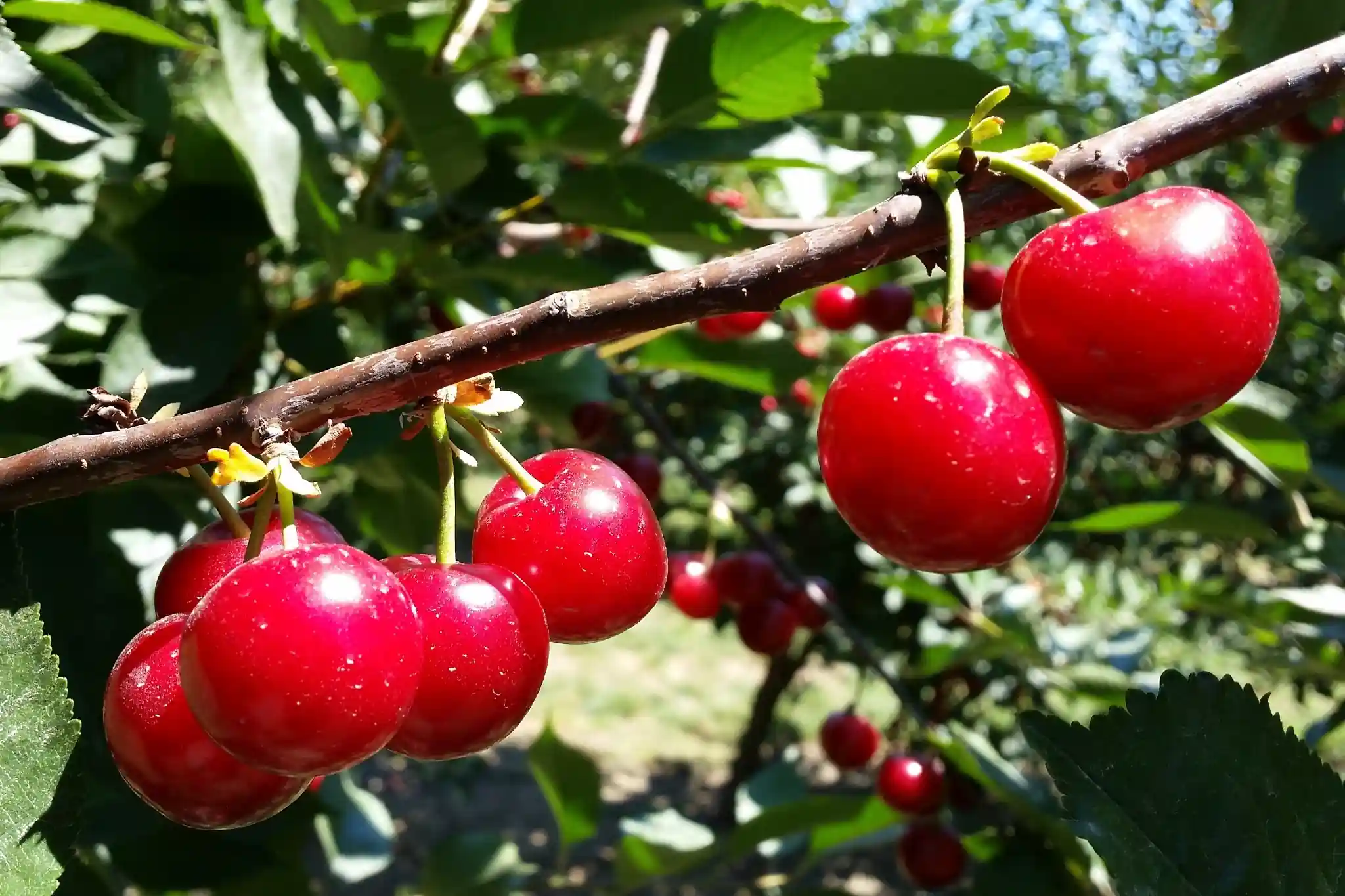
Growing interest in improving sleep has led in recent years to the evaluation of certain functional foods, including tart cherries (Prunus cerasus L.), known for their content of melatonin, tryptophan, and polyphenols.
A recent review analyzed studies investigating the effects of tart cherry consumption on sleep quality and related disorders, also considering biomarkers of melatonin, inflammation, and oxidative stress.
The researchers conducted an extensive literature search across multiple databases, selecting studies involving healthy subjects without age or gender restrictions.
Studies related to chronic diseases (metabolic, oncological, or inflammatory) were excluded to limit confounding factors.
At the end of the selection process
At the end of the selection process, seven interventional studies were included, showing considerable variability in terms of formulation (juice, concentrate, powder, or combined supplements), dose, duration, and population studied, an element that in itself represents a significant limitation in interpreting the results.
Tart cherries contain melatonin and phenolic compounds, particularly anthocyanins, which may act both on circadian rhythm regulation and on the inflammatory component often associated with insomnia and fragmented sleep.
The review highlights how sleep is closely linked to immune modulation and cytokine production, and how oxidative stress may contribute to the deterioration of sleep quality.
In this context, tart cherry compounds
In this context, tart cherry compounds may act through multiple mechanisms: increasing circulating melatonin levels or its metabolites, enhancing tryptophan availability and modulating the kynurenine pathway (IDO pathway).
Reducing inflammatory markers (CRP, PGE-2), and decreasing lipid peroxidation (MDA, Ox-LDL).
Overall findings are promising but not definitive.
Three studies reported significant improvements
Three studies reported significant improvements in parameters such as sleep duration, sleep efficiency, and sleep onset latency.
Other studies showed increases in melatonin (or its urinary metabolite 6-sulfatoxymelatonin), while some reported reductions in inflammatory and oxidative stress markers.
However, not all studies confirmed consistent effects: in certain populations (e.g., athletes), the impact on melatonin was not significant, and in some cases the benefit was limited to reduced sleep onset latency without improvements in other sleep indicators.
Conclusions remain cautious
Conclusions remain cautious: tart cherries may represent an interesting food-based strategy to improve certain aspects of sleep quality, with potential synergistic actions on melatonin levels, inflammation, and antioxidant capacity.
However, current evidence is limited and highly heterogeneous, with small sample sizes and diverse product types, short intervention periods, and non-standardized protocols.
For reliable clinical application, higher-quality randomized controlled trials are needed, with clear identification of effective dosage, optimal duration, and reproducible objective outcomes.
In summary, tart cherries appear to be a promising functional food, but evidence is not yet sufficient to consider them a validated large-scale nutritional treatment.
Source: Barforoush, F., Ebrahimi, S., Abdar, M. K., Khademi, S., & Morshedzadeh, N. (2025). The Effect of Tart Cherry on Sleep Quality and Sleep Disorders: A Systematic Review. Food Science & Nutrition, 13(9), e70923. https://doi.org/10.1002/fsn3.70923
Image source: Stefano Lugli
Andrea Giovannini
PhD in Agricultural, Environmental and Food Science and Technology - Arboriculture and Fruitculture, University of Bologna, IT
Cherry Times - All rights reserved