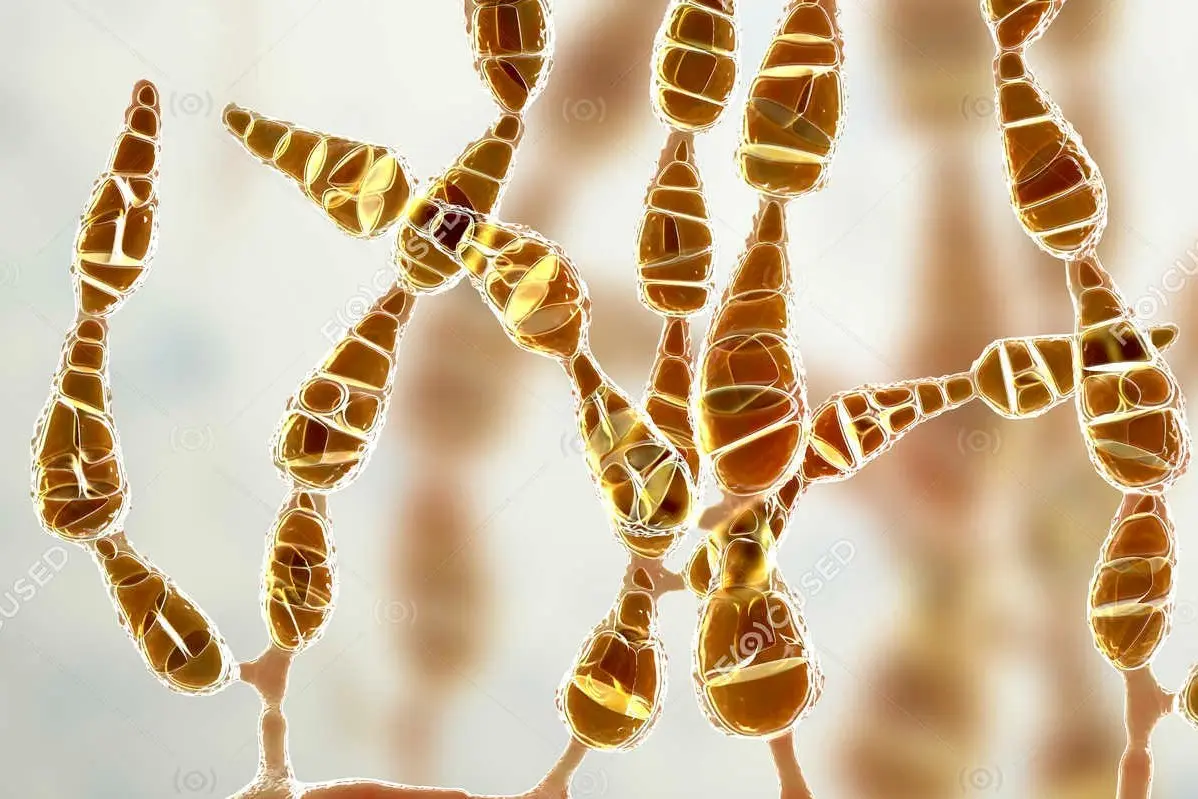
Black spot rot of sweet cherry, caused by Alternaria alternata, is a major postharvest phytosanitary issue that severely limits fruit storability and commercial value.
In addition to visible and structural damage such as decay and flesh softening, this pathogen is able to produce mycotoxins that compromise food safety, making the adoption of effective and reliable control strategies essential.
Although synthetic fungicides are widely used, increasing concerns are related to the development of resistance, environmental impact, and chemical residues on fruit.
In this context, a recent study from China investigated the potential of 5-aminolevulinic acid hydrochloride (5-ALA-HCl) as a novel antifungal solution for the postharvest management of black spot rot in sweet cherry.
Experimental evaluation and results
5-ALA-HCl is a compound already known for applications in medicine and agriculture, where it is used as a physiological enhancer and resistance inducer; however, its direct use as a postharvest antifungal agent has so far been poorly studied.
Experimental results showed high efficacy of 5-aminolevulinic acid hydrochloride against A. alternata.
In in vitro assays, high concentrations of the compound were able to completely inhibit mycelial growth and spore germination, highlighting a clear dose-dependent relationship.
In vivo trials on artificially inoculated cherries confirmed these results, showing a significant reduction in both disease incidence and lesion size, with a clear delay in symptom progression during storage.
Mechanism of action
The most technically relevant aspect lies in the mechanism of action of 5-ALA-HCl, which appears to be multi-target.
Microscopic observations revealed severe morphological alterations in both spores and mycelium of the pathogen, associated with loss of integrity of the cell wall and plasma membrane.
This structural damage was further confirmed by the leakage of electrolytes and cytoplasmic components such as sugars, proteins, and nucleotides, clearly indicating irreversible membrane injury.
At the same time, treatment with 5-ALA-HCl induced marked oxidative stress in the fungus, with accumulation of reactive oxygen species (ROS) and increased lipid peroxidation, conditions that accelerate cell death.
Molecular evidence and conclusions
Transcriptomic analysis provided molecular support for these findings, revealing coordinated regulation of genes involved in oxidative stress response and cell wall degradation.
In particular, genes associated with cell wall breakdown (EPG and PL genes) were activated, while those related to antioxidant systems and redox homeostasis maintenance (CAT, COQ2, GNL, and MIOX genes) were downregulated.
Overall, 5-ALA-HCl significantly inhibited the growth of A. alternata both in vitro and in vivo.
In conclusion, the study demonstrates that 5-aminolevulinic acid hydrochloride exerts strong antifungal activity against Alternaria alternata through a combined action on the plasma membrane, cell wall, and oxidative metabolism.
This multi-target mechanism of action reduces the risk of resistance development and makes 5-ALA-HCl a promising candidate for the development of new postharvest disease control strategies in sweet cherry.
For industry technicians, this compound may represent an interesting opportunity to integrate or complement traditional control programs, improving both sustainability and effectiveness in managing fungal diseases during storage and transportation.
Source: Zhang, S., Liu, W., Hu, W., Ban, M., Zhou, J., Liang, L., Wang, B., & Xu, R. (2025). Multitarget antifungal mechanism of 5-aminolevulinic acid hydrochloride on black spot rot of sweet cherry fruit against Alternaria alternata. LWT, 118405. https://doi.org/10.1016/j.lwt.2025.118405
Image source: Focused Collection
Andrea Giovannini
PhD in Agricultural, Environmental and Food Science and Technology - Arboriculture and Fruitculture, University of Bologna, IT
Cherry Times - All rights reserved