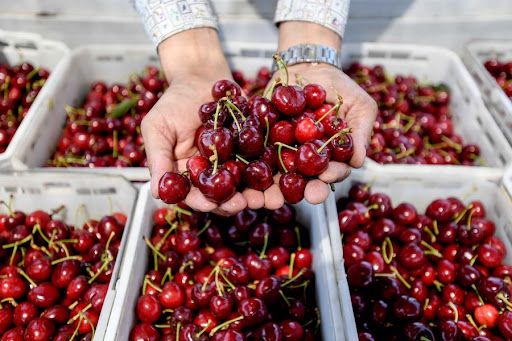
The Regulatory Council of the Cereza del Jerte Protected Designation of Origin (PDO) has begun certifying the first picotas of the season. The selection process, launched as part of Picota Day, aims to guarantee consumers the highest quality of this fruit from the Jerte Valley.
The president of the Cereza del Jerte PDO, José Antonio Tierno, stated that this year’s campaign “is beginning with good prospects”, both in terms of quality and volumes: “The first certified picotas were not damaged by the May rains and have the firmness, flavour and texture that distinguish this product from northern Extremadura.”
This year, the Designation of Origin expects to certify up to 3.5 million kilograms of picotas out of the total production in the geographical area. However, the PDO stresses that the final outcome will depend largely on weather conditions. “This product is sensitive to adverse weather, but it is currently preparing for a positive season,” Tierno explained.
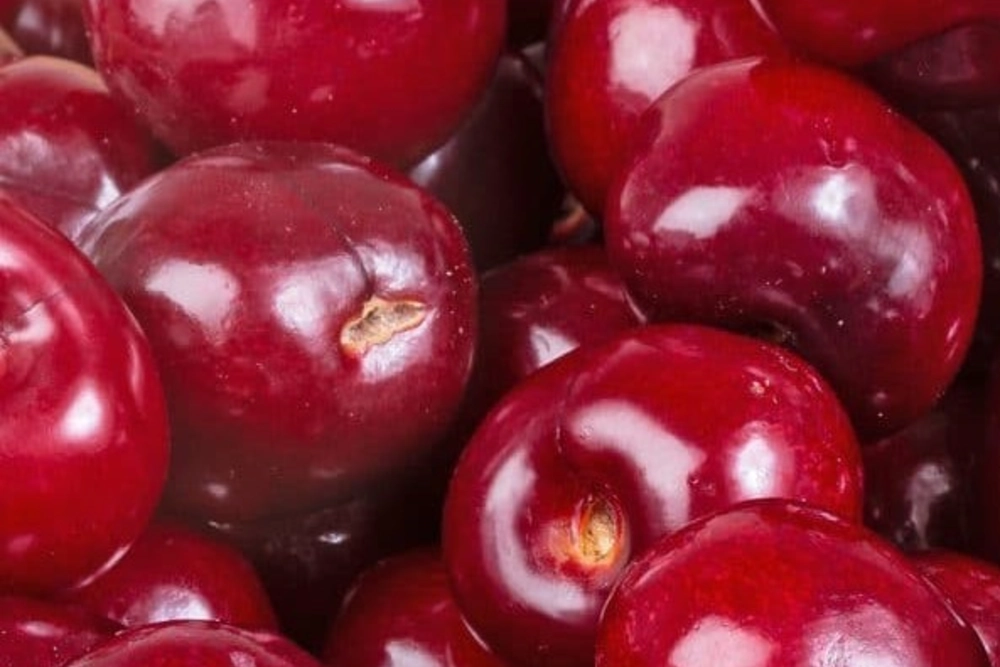
First certified picotas
José Antonio Tierno: “The first certified picotas were not damaged by the May rains and have the firmness, flavour and texture that distinguish this product from northern Extremadura.”
The cherry campaign is meanwhile continuing as normal following the rains recorded in May. The variety currently undergoing certification is Lapins, the most widespread among the cherries protected by the Designation of Origin. It accounts for more than 40% of total production, and its season continues until the end of July.
In this regard, the president of the PDO explained: “As for the varieties certified by the Designation of Origin, the rains that fell last month mainly affected the Van variety, with losses of up to 80% of production, and to a lesser extent Navalinda.”
The cherry campaign
These cherries were in the ripening stage when the weather event occurred, following a satisfactory harvest of the Burlat variety. The PDO is now looking optimistically towards the Lapins cherry campaign and the four protected picota varieties, Ambrunés, Pico Negro, Pico Limón and Pico Colorao, highlighting the value of the sector for the region.
“Agriculture is the main activity in this area and plays a fundamental role in economic development and in retaining the population in rural areas. For this reason, it is important that the authorities respond sensitively to the sector’s challenges and the distinctive features of this production model,” Tierno stated.
The picotas of the Jerte Valley reach their optimum level of ripeness in mid-June, almost one month later than the earliest cherry varieties. To celebrate this process, Picota Day is held every 15 June, an event highlighting the unique characteristics of this exclusive product from the Jerte Valley.
The value of the sector
The cherry campaign is meanwhile continuing as normal following the rains recorded in May. The variety currently undergoing certification is Lapins, the most widespread among the cherries protected by the Designation of Origin. It accounts for more than 40% of total production, and its season continues until the end of July.
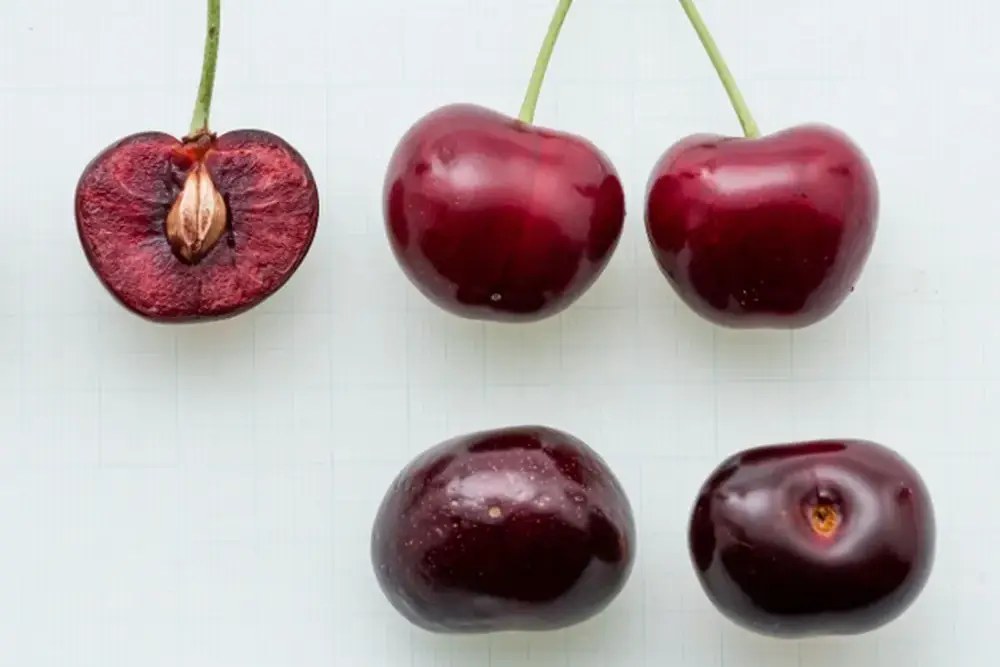
Unlike other cherries, picotas have a longer ripening period. This characteristic gives them greater firmness, a crunchy texture and a sweeter flavour. At harvest time, the fruit naturally separates from the stem, and growers pick it directly from the tree.
“This process, together with the cultural and environmental factors that characterise the production area, makes the picota a unique fruit, highly valued in gastronomic circles as a gourmet product. Consumers can easily recognise it by its smaller size and the absence of the stem typically found on cherries,” Tierno explained.
Thirty years of certification
This year marks 30 years since the PDO began certifying the origin of the fruit. Over three decades, through a rigorous selection process, the Designation of Origin has offered consumers the finest cherries and picotas from the region, accompanied by its own quality label.
In this context, the president of the PDO stressed: “Certification is very important because it is the only tool available to citizens to ensure that the product they consume was grown in the Jerte Valley, in accordance with a centuries-old family tradition.”
Source: www.revistaaral.com
Image source: La Cereza De Oro
Cherry Times - All rights reserved