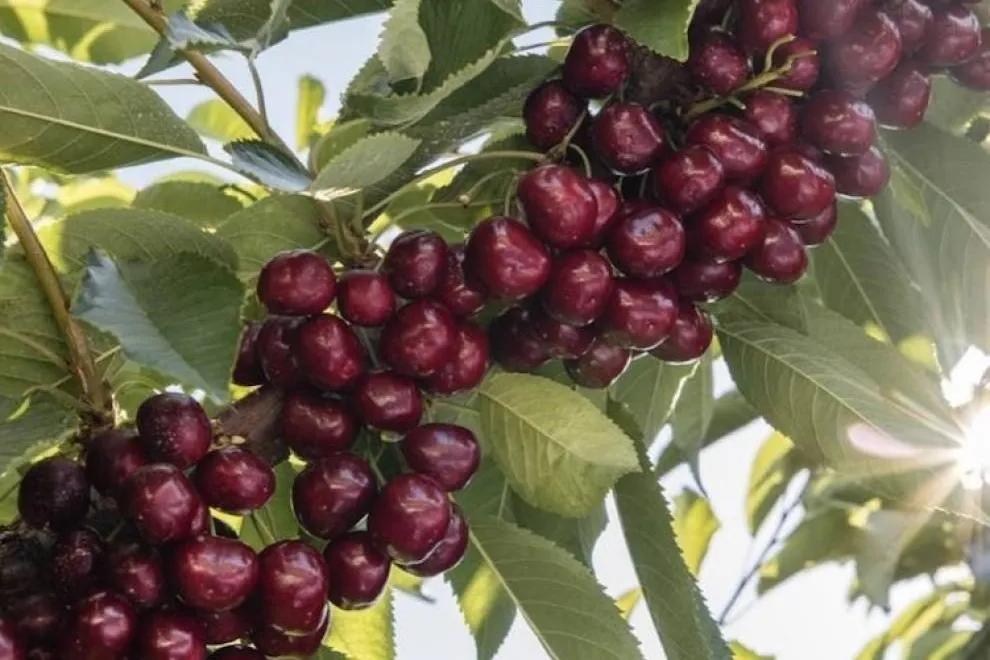
An article recently published in «Biological Reviews» examines the main factors underlying the success of biological invasions, using the family Drosophilidae as a model system to investigate the ecological, physiological, and evolutionary mechanisms that enable invasive species to spread.
The study begins by highlighting how the intensification of international trade and global human mobility has, over recent decades, facilitated the accidental introduction of numerous insect species beyond their native ranges, with significant consequences for the stability of natural ecosystems, the sustainability of agricultural production, and the global economy.
In this context, predicting which species are likely to become invasive remains one of the major challenges in invasion biology.
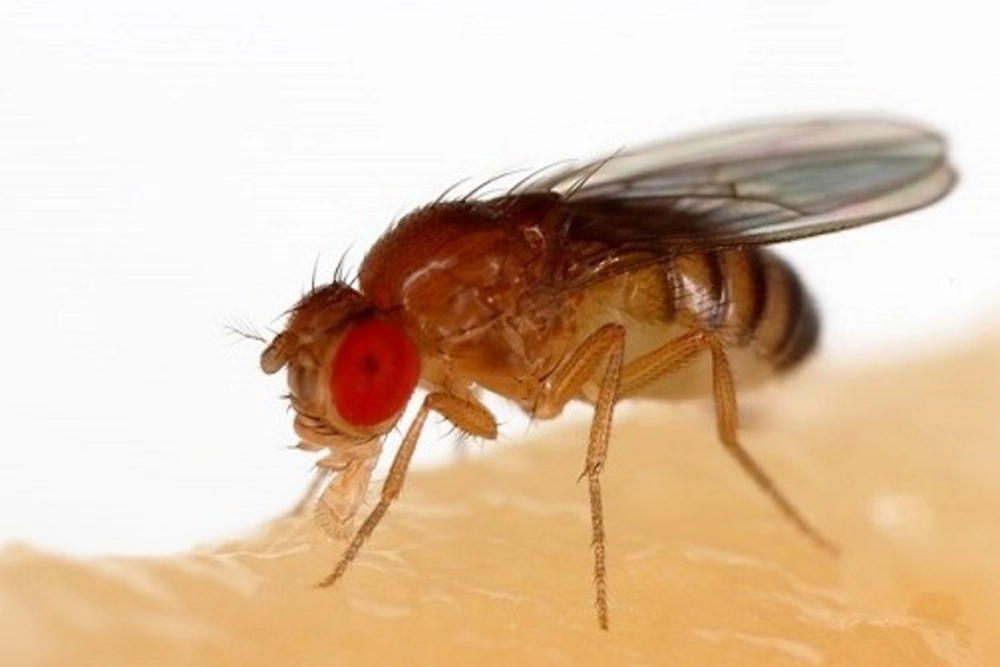
The species analyzed
The authors review several successful invasion cases, focusing primarily on Drosophila suzukii, one of the most extensively studied invasive species, while also considering representatives of the genera Drosophila, Scaptomyza, and Zaprionus.
Their analysis shows that these species share a suite of biological and adaptive characteristics that enable them to overcome environmental barriers, colonize new habitats, and establish self-sustaining populations far beyond their native distribution.
The review first considers the crucial role of pioneer individuals—the first colonizers of a new environment.
Environmental barriers
Their success depends on their ability to survive the initial selective pressures and establish stable breeding populations.
Once established, the invasion process is further shaped by abiotic factors that can potentially prevent insect survival.
Among the most important traits are phenotypic plasticity, tolerance to thermal and water stress, and the synergistic effects of coping with multiple environmental stressors simultaneously.
These characteristics allow invasive organisms to adjust rapidly to a wide range of environmental conditions, increasing their likelihood of establishment even in climatically unfavorable habitats.
Ecological factors
But what drives insects to move beyond their native ecological niche? The authors argue that there is no single explanation.
Instead, invasion success is promoted by a combination of factors, including the ability to exploit novel food resources, resistance to competition from native species, reduced susceptibility to predation, and the contribution of microbial symbionts, which can enhance physiological performance, nutrition, and adaptive capacity.
The interaction between abiotic and biotic factors is therefore identified as a key element in understanding the dynamics of biological invasions.
Comparison between families
A particularly interesting aspect of the review is the comparison between invasive Drosophilidae and economically important phytophagous insects belonging to the family Tephritidae, such as Bactrocera dorsalis and Ceratitis capitata.
The authors demonstrate that these insects share several functional traits, including high fecundity, rapid development, ecological generalism, and remarkable adaptability to diverse environmental conditions.
Identifying common characteristics across taxonomically distinct families suggests the existence of broader biological principles governing invasion success in insects.
Traits underlying invasion success
The article concludes that invasion success is not determined by exceptional performance in a single trait, but rather by the combined effect of a balanced set of biological characteristics that collectively increase the probability of successful colonization.
The review identifies fourteen key traits and biological processes, supported by the available literature, that contribute to the invasiveness of Drosophilidae. It also emphasizes the importance of pre-introduction genetic predispositions, post-introduction adaptive responses, and phenotypic plasticity in facilitating successful establishment.
Finally, the authors stress the need for further comparative studies between invasive and non-invasive species to better understand why only certain species expand beyond their native ranges, thereby providing a stronger scientific basis for predicting and managing future biological invasions.
Source: Deconninck, G., Raynaud-Berton, B., Boulembert, M., Chabrerie, O., Couty, A., Dedeine, F., Eslin, P., Foray, V., Georges, R., Gibert, P., Mouton, L., Pincebourde, S., Renault, D., Suppo, C. and Colinet, H. (2026), A roadmap to key traits of invasive Drosophilidae. Biol Rev, 101: 1805-1829. https://doi.org/10.1002/brv.70148
Image source: Ideagreen
Cherry Times – All rights reserved