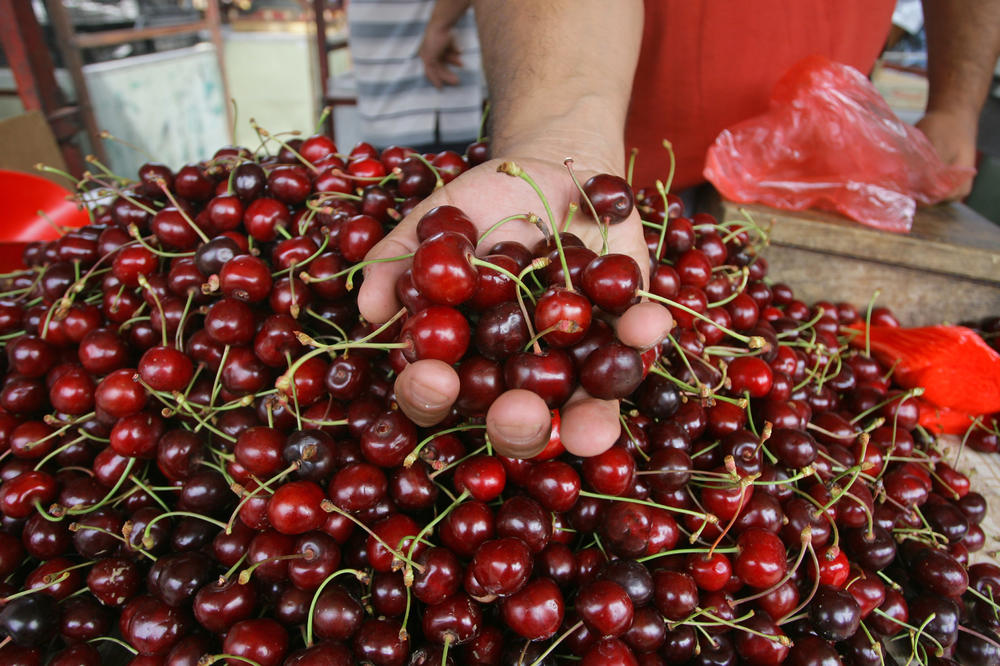
The upcoming Chilean cherry season begins with an ambitious objective: managing a projected volume increase of almost 60% in 2024/25. China is expected to absorb the largest share of this additional production, but the real test will be turning abundance into value while avoiding excessive pressure on prices.
According to Danny Guo, general manager of trade at JWM Asia, the consumption potential in China and other Asian markets is there. However, the success of the campaign will depend on three decisive levers: quality control, diversification of sales channels, and targeted marketing campaigns built around local consumer habits.
A supply chain already in motion
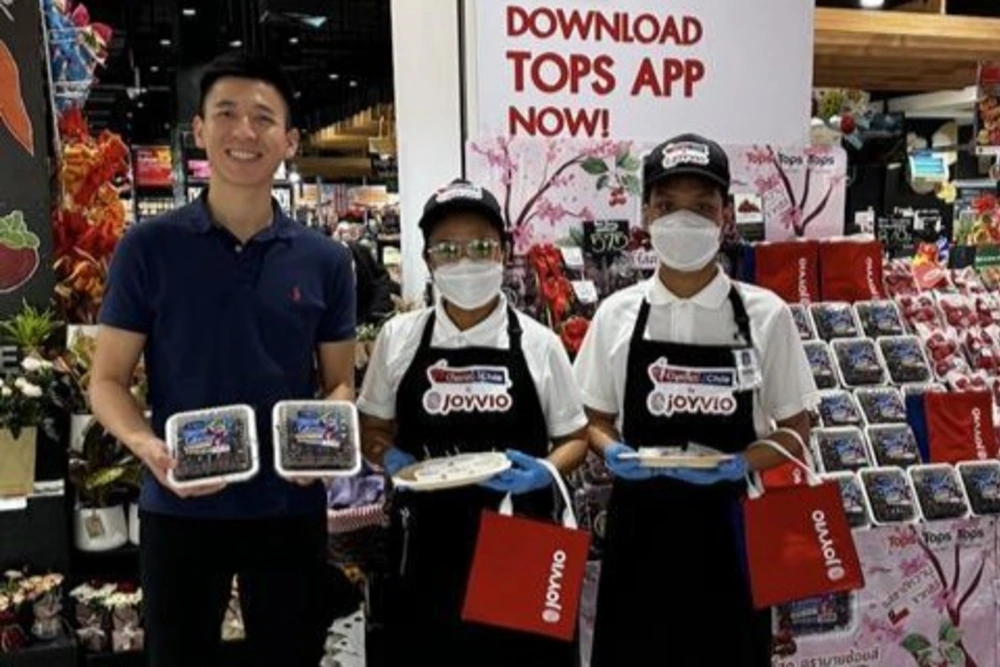
JWM Asia, together with the Joy Wing Mau China team, is preparing its distribution platforms for a season that could reshape the balance of the Asian trade in Chilean cherries. The work involves supply partners, distributors, airlines and shipping lines, with the aim of supporting larger flows without creating bottlenecks.
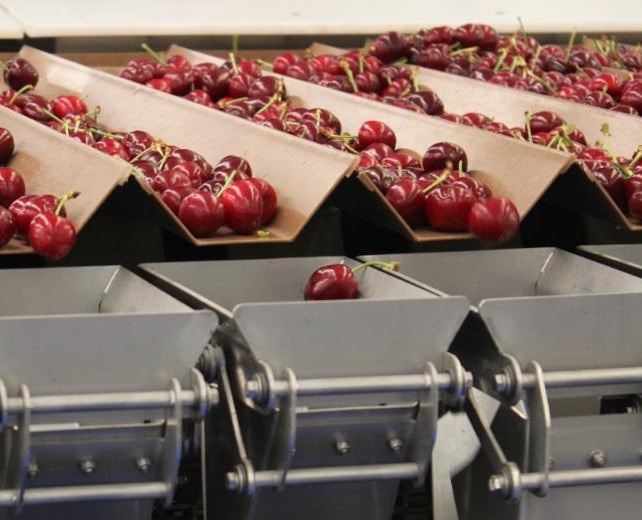
The expected increase appears even more significant because last season was affected by weather conditions. In the meantime, the sector has invested on the production side: new packing facilities, advanced processing lines and automation have been introduced to improve efficiency and operational capacity.
Logistics have also been strengthened. The use of different ports for cherry express vessels and faster distribution should support entry into second- and third-tier markets, expanding the consumer base beyond the major traditional hubs.
Quality, price and market fluidity
For Guo, the first critical factor remains arrival quality. If cherries reach Asian markets in good condition, the product can continue moving along the supply chain, even with lower prices. Conversely, arrivals with insufficient quality risk slowing sales and congesting the market.
Managing price expectations will be equally important. Unprecedented volumes will arrive in a context still shaped by the post-Covid phase, with markets recovering and consumers becoming more selective in their purchasing decisions.
Sales channels and local marketing
Sustainable growth, according to JWM Asia, will depend on the ability to sell through multiple channels and reach different customer segments. Increasing shipments will not be enough: it will be necessary to expand the potential market by working on formats, packaging and positioning.
Promotional campaigns will need to be localized and targeted. Local teams are working with commercial partners and various retailers across the region to increase visibility, consumer preference and product turnover.
Packaging will also play a strategic role. High-end gift packs, with refined design and 1 kg, 2 kg and 2.5 kg formats, remain particularly popular for gifting. By contrast, clamshells and bulk packs respond better to demand from value-conscious consumers.
From China to India: Asia remains central
As Chilean production expands, diversifying Asian markets becomes a necessity. Korea and Taiwan are considered more mature markets, while Vietnam is emerging as one of the most promising destinations in the region. Thailand will continue to be a relevant market, where cherries already enjoy strong popularity.
India, meanwhile, represents a major growth opportunity for the Chilean industry. The main challenge will be improving logistics solutions, reducing delivery times as much as possible in order to ensure freshness and competitiveness.
The unknowns: volatility and transshipment
Diversification will not be without obstacles. Guo identifies post-Covid market volatility as one of the main critical issues: scenarios can change rapidly, influencing demand, prices and sales speed.
Despite this, cherries remain one of the fastest-growing categories in Southeast Asian consumption. They are a product capable of generating enthusiasm among both distributors and consumers and, in recent years, have shown good resilience even in markets experiencing fluctuating conditions.
Logistics remain the other sensitive front. Cherry express vessels are considered reliable, but frequent delays have occurred during transshipment connections to some Asian markets. Joy Wing Mau Group is focusing additional efforts on this area in order to control supply chain variables as much as possible.
A decisive turning point for Chilean cherries
The 2024/25 season could mark a key turning point for Chilean cherry exports. Asian demand is present, but the ability to add value to such high volumes will depend on how precisely the supply chain can coordinate quality, logistics, distribution and communication.
In a more competitive and selective market, it will not be quantity alone that makes the difference, but the ability to deliver the right product, in the right format, to the right consumer.
Text and image source: www.fruitnet.com
Cherry Times - All rights reserved