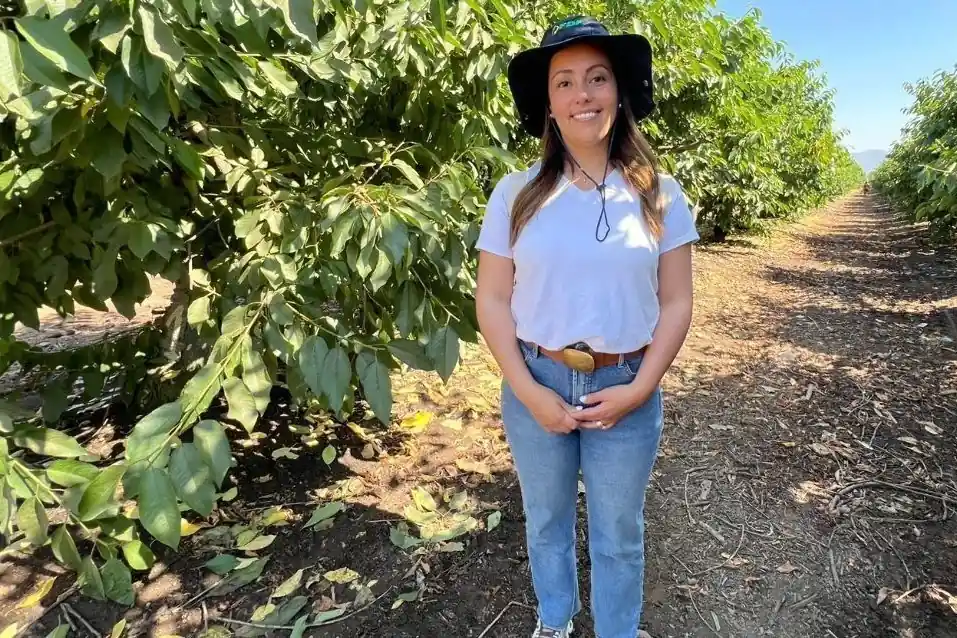
“Chile must make known what it is doing,” says Carolina Yáñez Briceño with determination, an agricultural engineer at the Fundación para el Desarrollo Frutícola (FDF) and head of a laboratory officially recognized as an “authorized third party” by the SAG (Servicio Agrícola y Ganadero).
A strong message, delivered during the Taller Internacional sobre Enfoque de Sistemas, held in Santiago de Chile from December 1 to 4, 2025, where experts and phytosanitary authorities compared tools, approaches, and strategies to keep the most demanding international markets open.
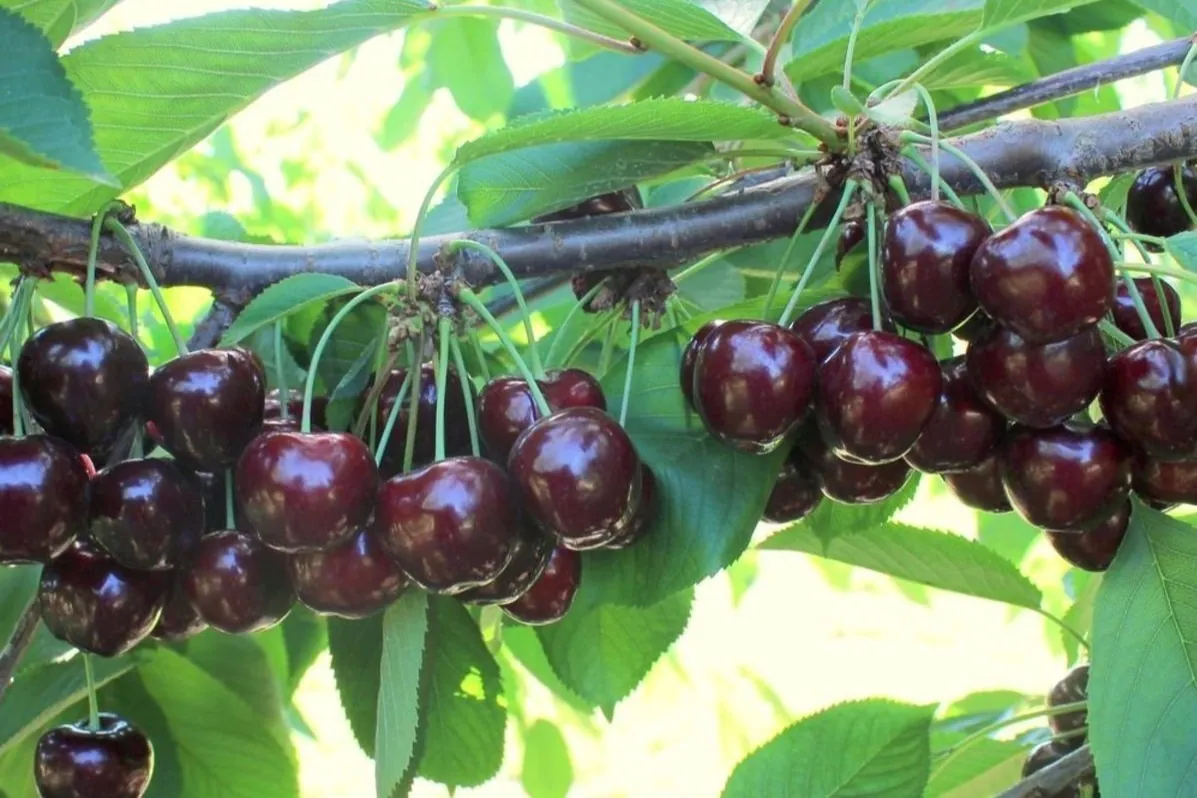
An absolute priority for Chile, the world’s leading exporter of fresh cherries and the main supplier to the Chinese market, which alone absorbs over 90% of Chilean exports of this stone fruit.
Strict protocols and trust-based systems
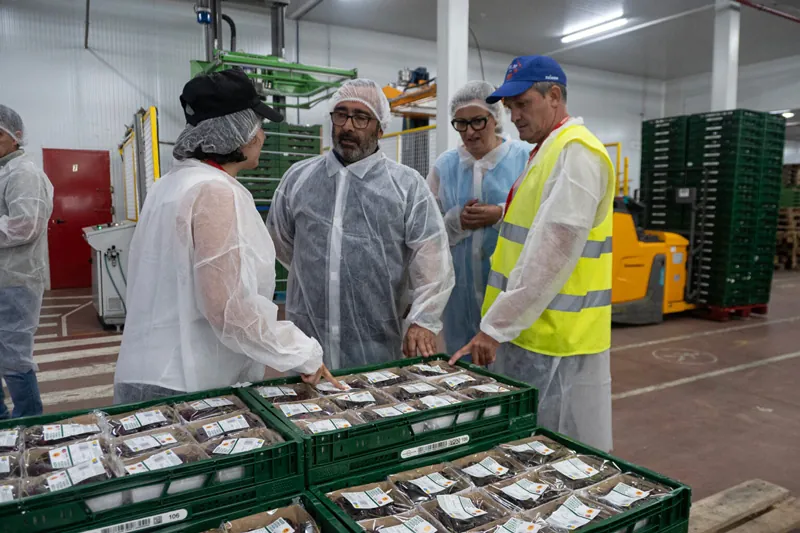
The Fundación para el Desarrollo Frutícola is today a cornerstone of Chile’s export system. Through its quarantine entomology unit, it works closely with the SAG in managing monitoring, prevention, and certification programs for markets such as the United States, Japan, Korea, and China.
In this context, Carolina Yáñez’s laboratory operates as a tercero autorizado: an external entity formally accredited to carry out critical tasks in verifying phytosanitary compliance. A highly technical but essential role in assuring importing countries that shipped cherries do not carry unwanted “travel companions.”
“Not all countries have developed tools like ours. They ask us how we manage risk and how we prevent infestations present in Chile from spreading elsewhere. It is all about risk mitigation,” Yáñez emphasizes.
Drosophila suzukii: the invisible threat
Among the most pressing challenges for Chilean fruit production is Drosophila suzukii, also known as the spotted-wing drosophila. Unlike related species, it is able to lay eggs in healthy, thin-skinned fruit—such as cherries, blueberries, raspberries, and strawberries—making treatment almost impossible once infestation has occurred.
Officially declared a “pest present with restricted distribution” in Chile in 2019, D. suzukii requires constant vigilance, with significant consequences not only in the field but also at the commercial level, as it makes compliance with the phytosanitary requirements of many markets more complex.
The biotechnological response
To address the threat, Chile has decided to invest in the Sterile Insect Technique (SIT): an innovative and sustainable approach involving the rearing and sterilization (through radiation) of male insects that, once released into orchards, mate without producing offspring, progressively reducing the target population.
This technique is at the core of a collaboration with ISCAMEN, an Argentine institute based in Mendoza and equipped with a multi-purpose bioplant already operational for the Mediterranean fruit fly. The first sterile flies destined for the pilot phase in Chile will come from this facility.
“We have signed the first agreement with ISCAMEN and will soon begin laboratory tests. The goal is to combine this technique with integrated pest management to reduce prevalence in orchards,” Yáñez explains.
Initial assessments and start of releases
The first shipments of sterile flies are expected within the week. The FDF laboratory will conduct tests on key parameters such as sterility, emergence, quality, and flight ability. Only afterward will the first releases take place, likely in the O’Higgins or Maule regions for logistical reasons.
Although it is not certain that releases will occur already this season, the project follows a clearly defined timeline: by 2027, results must be delivered to the International Atomic Energy Agency (IAEA), a partner in the initiative together with the FAO.
Beyond fly control
The project’s real ambition goes beyond containing Drosophila suzukii. The aim is to build a scalable and replicable model applicable to other crops and pests, strengthening Chile’s image as a global leader in advanced fruit production, capable of integrating biotechnology, scientific rigor, and agricultural diplomacy.
“We do not have a national bioplant, but by collaborating with ISCAMEN we leverage existing infrastructure and put our expertise in surveillance and certification to good use. It is work that brings together skills, strengthens international relationships, and allows us to continuously improve,” Yáñez concludes.
In a world where consumers demand transparency and sustainability, the battle against plant pests is fought not only in the fields, but also in laboratories and protocol control rooms. And it is precisely there that Chile is playing for the future of its fruit-growing leadership.
Text and image source: diariofruticola.cl
Cherry Times – All rights reserved