Sweet cherries are highly delicate fruits to manage during the postharvest phase due to their high metabolic activity and marked susceptibility to fungal infections.
Among the most problematic pathogens is Penicillium expansum, which represents a threat not only because of the quantitative and qualitative losses it causes, but also because of the risks associated with the production of patulin, a toxic mycotoxin.
Conventional control strategies, mainly based on the use of synthetic fungicides or physical techniques, show well-known limitations in terms of residues, the emergence of resistant strains, costs, and difficulties in application along the entire supply chain.
In this context, the use of plant extracts as resistance inducers and biocontrol agents is emerging as a concrete and sustainable option.
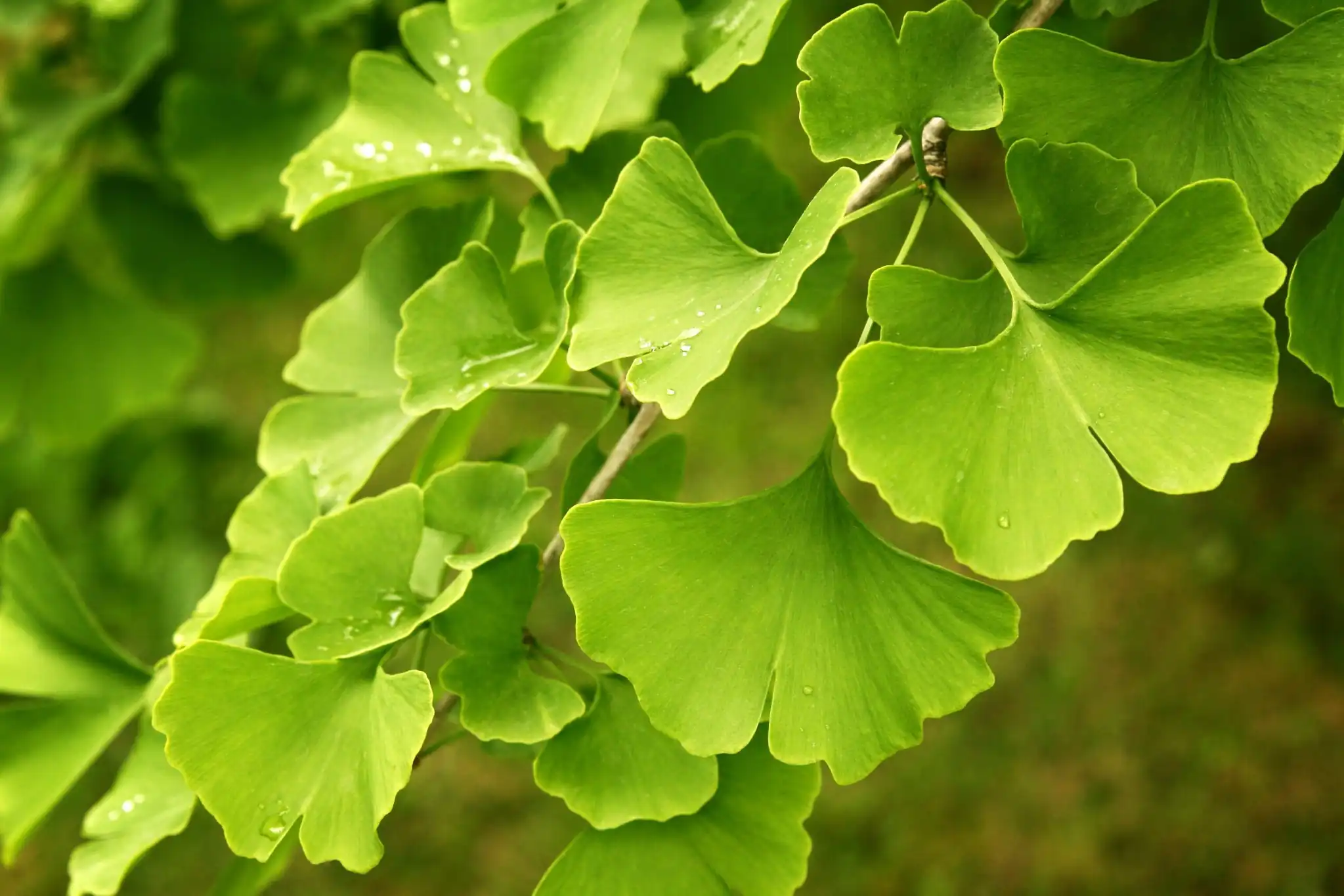
Ginkgo biloba as alternative
A recent study from China evaluated the effectiveness of Ginkgo biloba leaf extract (GBE) in controlling P. expansum during the postharvest phase of sweet cherries, integrating physiological and biochemical assessments with metabolomic and transcriptomic analyses to clarify its mechanisms of action.
The results show that GBE treatment significantly reduced disease incidence, which at the end of storage was below 30% compared with 100% in the control, effectively limiting decay development.
At the same time, GBE contributed to preserving the commercial quality of the fruit by reducing weight loss, maintaining higher flesh firmness, and ensuring greater stability of quality parameters such as total soluble solids and titratable acidity.
From a physiological perspective, GBE treatment resulted in a marked reduction in oxidative stress associated with storage and fungal infection.
Defense mechanisms and metabolomics
The researchers also observed the activation of induced resistance mechanisms, highlighted by the increased activity of PR proteins such as chitinase and β-1,3-glucanase, which are directly involved in fungal cell wall degradation and in the activation of the fruit’s immune responses.
Metabolomic analysis revealed that GBE induced a profound reprogramming of secondary metabolism, with selective accumulation of flavonoids and phenylpropanoid compounds, including quercetin, kaempferol, coumarins, and tannin derivatives, known for their antifungal, antioxidant, and cell wall-strengthening properties.
These metabolic changes were consistent with transcriptomic data, which showed overexpression of key genes involved in the phenylpropanoid pathway and flavonoid biosynthesis, such as PAL, C4H, CHS, FLS, and ANS, suggesting a reallocation of metabolic resources toward the production of defense-related compounds.
Hormonal signaling and gene repression
The study also highlights the involvement of hormonal networks, with coordinated activation of signaling pathways mediated by jasmonic acid and salicylic acid, typically associated with defense responses against pathogens, as well as abscisic acid, which is linked to stress tolerance and the slowing of senescence processes.
Concurrently, GBE treatment led to the repression of genes involved in cell wall degradation, such as polygalacturonase and β-galactosidase, contributing to the maintenance of fruit firmness and delaying softening phenomena.
Conclusions and future perspectives
Overall, the study provides new insights into the mechanisms through which Ginkgo biloba extract exerts a protective effect on sweet cherries during postharvest storage, combining direct effects on the pathogen, activation of the fruit’s endogenous defense systems, and a slowdown of senescence processes.
The results highlight the potential of GBE as a natural alternative to synthetic fungicides, opening new perspectives for its application in the postharvest management of sweet cherries.
However, for this strategy to be effectively transferred to commercial practice, further studies will be required to optimize doses and application methods, assess compatibility with existing storage systems, and further investigate issues related to cost, safety, and process scalability.
Source: Sun, K., Wang, Z., & Ye, S. (2025). Integrated metabolomic and transcriptomic analysis to explore the mechanisms of ginkgo biloba leaf extract in controlling postharvest Penicillium expansum in sweet cherry. Postharvest Biology and Technology, 230, 113801. https://doi.org/10.1016/j.postharvbio.2025.113801
Image source: Erborista
Andrea Giovannini
PhD in Agricultural, Environmental and Food Science and Technology - Arboriculture and Fruitculture, University of Bologna, IT
Cherry Times - All rights reserved